Digital Farming Tech Reshapes Supply Chains as Automation Takes Over the Field
Modern farms are rapidly adopting automated machinery and data sensors to boost crop yields and protect supply chains.
By Foodie Pundit Newsroom - Published - Updated - Section: Chain Watch
Key points
- Precision sensors and autonomous machinery are reducing input costs and resource waste on enterprise farms.
- Digital traceability gives restaurant operators accurate data on ingredient sourcing, sustainability, and safety.
- High upfront capital requirements and rural internet coverage remain key obstacles for smaller farm operators.
- Stable crop yields from tech-driven farms help shield food service businesses from wholesale price volatility.
The traditional image of agriculture, defined by manual labor and unpredictable seasonal yields, is undergoing a profound structural transformation. Modern farms are rapidly adopting advanced digital tools, automated machinery, and data analytics to streamline operations and reduce operational waste. This technological migration is reshaping the entire food supply chain, offering restaurant operators and food service providers unprecedented visibility into ingredient sourcing and price stability.
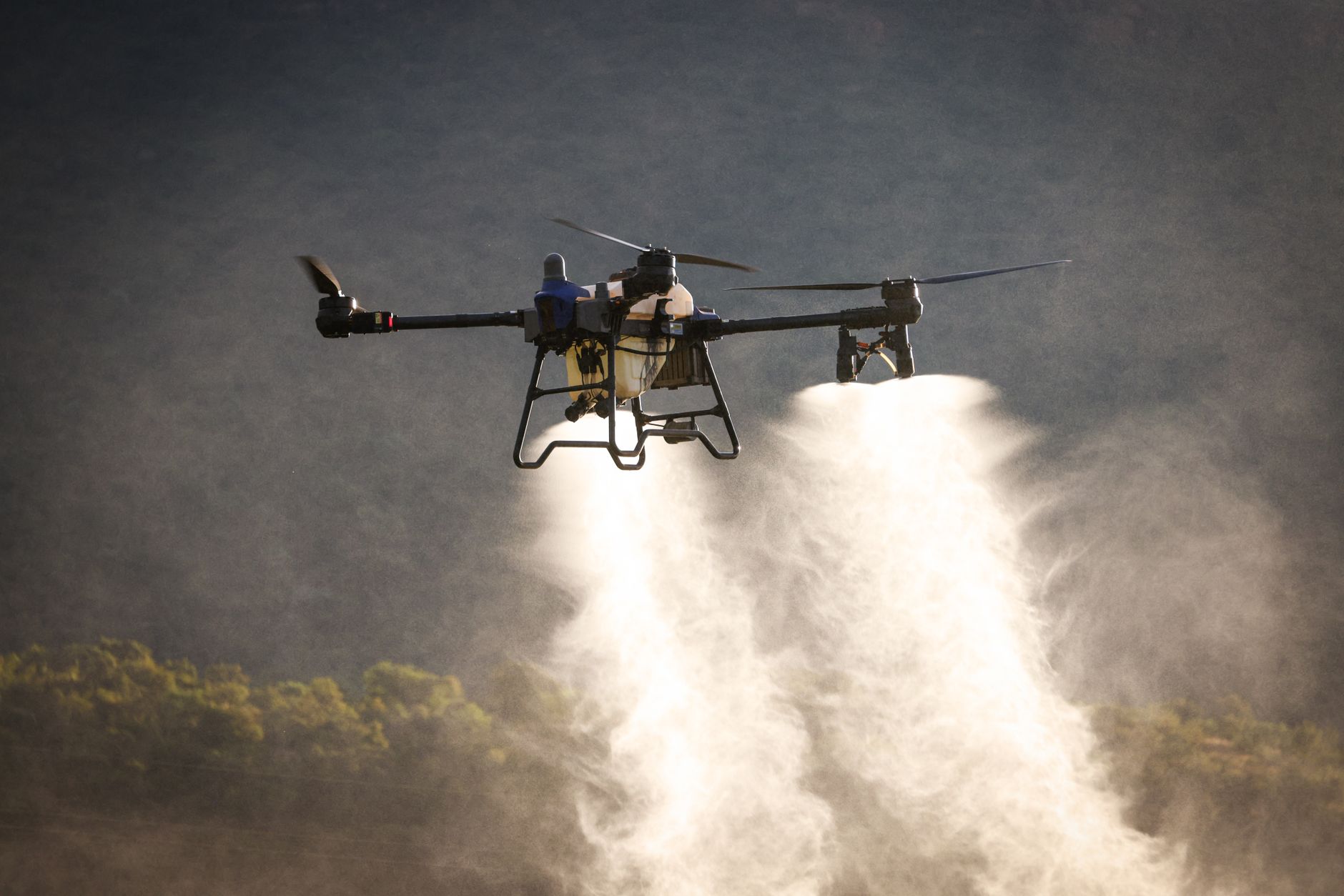
According to recent industry updates compiled by EurekAlert, the integration of digital technology into farming is shifting from an experimental novelty to a standard operational requirement. Enterprise farms are deploying internet of things sensors, autonomous tractors, and specialized software to monitor crop health in real time. These innovations allow growers to apply water, fertilizers, and pesticides with extreme precision, cutting input costs while minimizing environmental runoff.
For decades, the agricultural sector operated on broad historical averages and physical inspection. Farmers treated whole fields with uniform applications of water and chemicals, leading to significant resource inflation and ecological strain. Over the past five years, rising input costs, unpredictable climate events, and labor shortages have accelerated the push toward automated solutions.
The economic imperative for digital adoption has never been stronger. Volatile fertilizer prices and increasing fuel costs have squeezed farm margins, forcing growers to search for efficiency gains. At the same time, institutional buyers and restaurant chains are demanding higher traceability, lower carbon footprints, and stricter adherence to sustainable practices from their suppliers.
Digital farming relies on a network of connected technologies working in tandem across vast operational footprints. Soil sensors embedded in fields transmit continuous data regarding moisture levels, nutrient density, and soil temperature directly to mobile dashboards. Drones equipped with multispectral cameras fly over crops to detect disease, weed infestations, and hydration stress days before visible symptoms appear to the naked eye.
Autonomous machinery represents another major leap forward for commercial production. Robotic harvesters, guided by machine vision and spatial algorithms, can pick delicate produce without bruising, operating around the clock to mitigate seasonal labor bottlenecks. Automated irrigation systems adjust water flow automatically based on localized hyper-local weather forecasts, preventing wasteful overwatering during wet spells.
For the restaurant industry, the digital transformation of agriculture offers critical operational benefits. Precision farming reduces crop loss from pests and erratic weather, resulting in more consistent yield volumes throughout the year. This stability helps smooth out wholesale price spikes that typically force operators to adjust menu prices or absorb thin margins.
Enhanced traceability is another key advantage of digitalized farming networks. Modern agricultural platforms record every stage of crop development, from seed planting to wholesale distribution, on secure digital ledgers. Fast casual concepts and fine dining establishments can leverage this data to verify local sourcing claims, guarantee organic certifications, and immediately trace potential food safety outbreaks back to specific field plots.
ENVIRONMENTAL EFFICIENCY AND POLICY IMPACTS
The environmental gains achieved through digital farming align closely with corporate sustainability initiatives across the hospitality sector. Precision application techniques reduce total chemical usage by substantial margins, protecting regional watersheds and preserving soil biology. Synthetic fertilizer reduction also directly lowers greenhouse gas emissions associated with agricultural runoff and chemical manufacturing.
Government regulations and incentive programs are further accelerating this digital migration. Policy makers in major agricultural regions are offering grants and tax credits to operations that implement water-saving smart technologies and carbon-capturing soil management software. These public subsidies lower the barrier to entry for mid-sized farms, broadening the reach of sustainable practices across the global food system.
Despite the rapid expansion of farm tech, significant barriers to universal adoption remain. High initial capital expenditures for advanced machinery, specialized sensors, and proprietary software subscriptions can deter smaller family farms. Upfront investments often take several years to yield a clear return, posing financial risks for operators with tight cash reserves.
Data interoperability and rural broadband infrastructure also present ongoing operational hurdles. Many remote farming districts lack the high-speed connectivity required to process massive continuous data streams from field sensors. Additionally, proprietary software standards often prevent different brands of equipment from sharing data seamlessly, creating administrative friction for farm managers.
The convergence of artificial intelligence, robotics, and agricultural science promises to further accelerate farm automation over the next decade. Emerging tools will soon predict crop yields with near perfect accuracy, allowing wholesale distributors to negotiate multi-year supply contracts with minimal pricing risk. As machine learning algorithms analyze decades of soil and yield data, farms will become increasingly resilient against extreme weather events.
Ultimately, the digitalization of the field represents a structural shift toward a more predictable, transparent, and resilient food network. Restaurants that build direct partnerships with tech-enabled agricultural suppliers will be best positioned to secure high-quality ingredients, manage food costs, and satisfy growing consumer demand for verified sustainable dining options.
As a restaurant owner, chef, or food service manager, the digital transformation of farming directly impacts your bottom line and sourcing strategy. Higher agricultural precision translates to greater supply consistency and reduced volatility in wholesale ingredient pricing over time.
You can expect improved supply chain transparency, allowing you to market verified sustainable ingredients to eco-conscious consumers with total confidence. Building relationships with tech-forward distributors today will help protect your business against future supply shocks and food safety disruptions.
Sources and methodology
Reported from the public datasets below.
More from the Foodie Pundit Newsroom
- Beyond Meat Rolls Out Reformulated Line to Grocery Shelves Nationwide
- Cava Brings Fast-Casual Mediterranean to Riverview
- Grocery Prices Are Finally Cooling Down But Not Every Aisle Offers Savings
- Piccolo Buco, Famed Roman Pizzeria, Is Coming to Southwest Florida with Cooper's Hawk
- How TikTok Viral Butter Boards Are Transforming Appetizer Economics