Downtown Raleigh Emerges as Testing Ground for All-Day Multi-Concept Hospitality Outlets
A versatile new venue combining a coffee house, pub, and cocktail lounge highlights the economic shift toward all-day food service destinations in growing urban
By Foodie Pundit Newsroom - Published - Section: Coffee Cafes
Key points
- A new multi-concept venue in downtown Raleigh combines coffee, craft cocktails, and pub fare to maximize foot traffic and revenue per square foot.
- All-day hospitality models help restaurant operators offset high commercial rents and rising labor costs by generating revenue across sixteen-hour windows.
- Reporting from ABC11 Raleigh-Durham underscores growing consumer demand for versatile urban spaces that cater to both daytime remote work and evening social outings.
- Cross-training staff and cross-utilizing food inventory across dayparts are becoming essential operational strategies for modern food service venues.
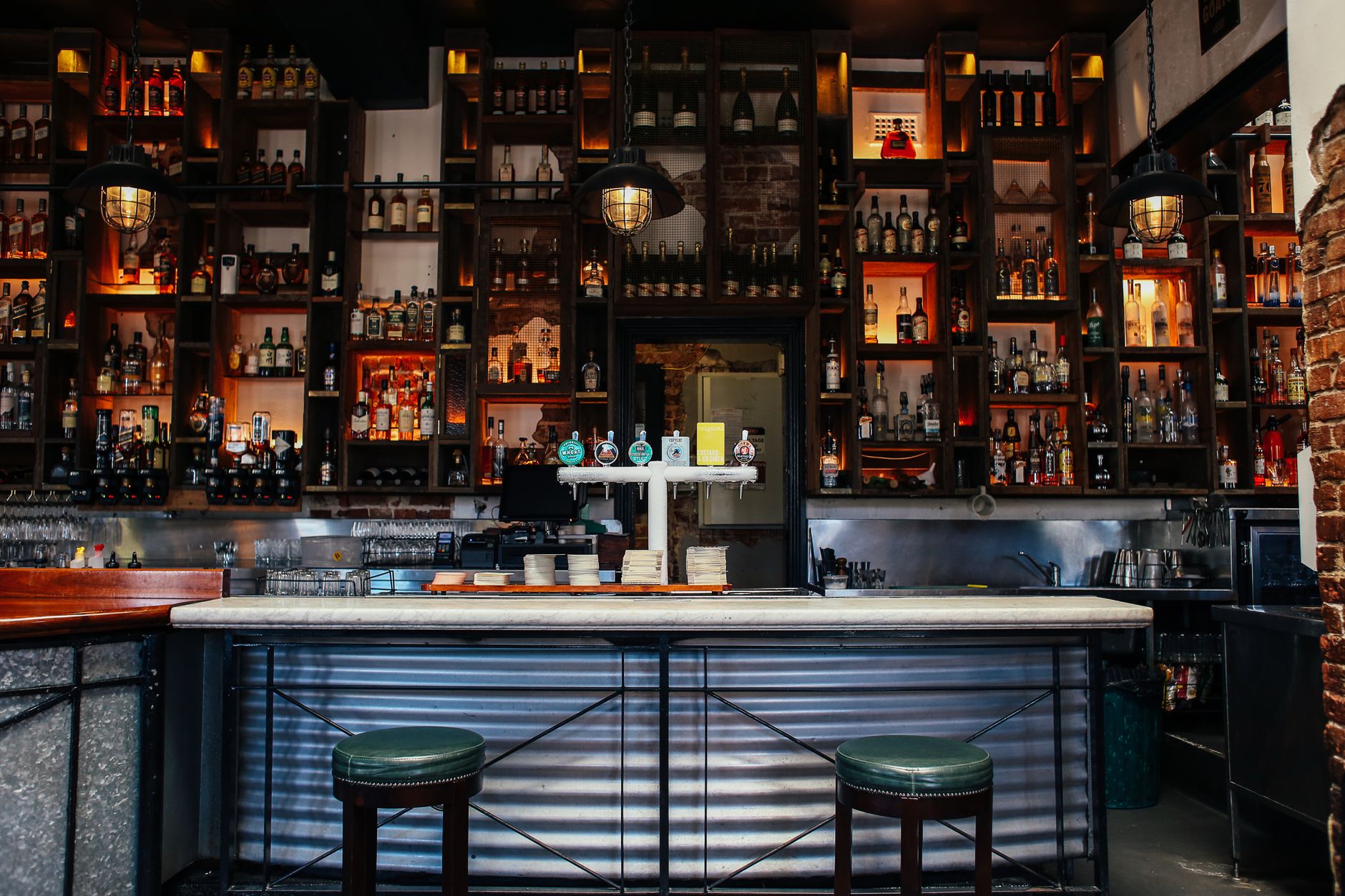
The hospitality landscape in downtown Raleigh is undergoing a significant transformation as developers and venue operators respond to changing post-pandemic consumer habits. A prominent new multi-concept establishment has opened its doors in the heart of the city, offering a seamless blend of daytime coffee house, evening cocktail lounge, and neighborhood pub. Local reporting from ABC11 Raleigh-Durham highlights the launch of this versatile space, which aims to capture foot traffic from early morning until late at night. By housing several distinct dining and drinking experiences under a single roof, the venture reflects a broader trend across mid-sized American cities toward high-efficiency, all-day food service models.
Urban retail strategists note that the traditional boundaries separating coffee shops, restaurants, and bars are rapidly blurring. Commercial tenants are increasingly reluctant to sign leases for real estate that sits idle during half of the operating day. By serving specialty espresso drinks and light breakfast items in the morning, shifting to fast-casual lunch offerings, and transitioning into a full-service pub with craft cocktails at night, operators maximize revenue per square foot. The newly unlocked downtown Raleigh venue embodies this operational philosophy, aiming to become a reliable third place for residents, remote workers, and evening revelers alike.
The financial mechanics behind all-day food service spaces are particularly attractive to hospitality groups facing rising interest rates and elevated commercial rents. Building out a commercial kitchen and obtaining liquor licenses represent massive upfront capital investments that require steady cash flow to amortize efficiently. When a venue generates revenue during morning peak hours, it reduces the operational pressure on evening dinner and bar shifts. ABC11 Raleigh-Durham notes that the new downtown venue is designed to cater directly to this continuous economic cycle, capturing diverse spending streams throughout a sixteen-hour operational window.
In addition to labor and real estate efficiencies, multi-concept venues help build brand loyalty by remaining relevant across various daily routines. A customer who stops by for a morning caffeine fix is more likely to return for an after-work draft beer or weekend pub meal. This cross-pollination of guest demographics reduces overall customer acquisition costs, which have skyrocketed across the restaurant industry over the past three years. By offering pub grub alongside elevated cocktail programs, the Raleigh development lowers the barrier to entry for casual diners while maintaining strong profit margins on premium beverages.
Raleigh has experienced rapid population growth and corporate investment over the past decade, creating a dense population of downtown residents seeking walkable entertainment options. However, urban planners have frequently pointed out a shortage of flexible spaces that accommodate both remote work daytime environments and lively nightlife. The introduction of this all-day destination directly addresses that infrastructure gap in the city center. Local business associations view the project as a critical anchor that will drive pedestrian traffic to neighboring retail shops and cultural venues, reinforcing the vitality of the district.
The surge in residential construction throughout downtown Raleigh has fundamentally altered consumer expectations for local amenities. Modern urban dwellers prefer versatile spaces that feel like extensions of their living rooms rather than formal, single-purpose dining rooms. According to reporting by ABC11 Raleigh-Durham, the layout and menu offerings of the new spot were specifically engineered to meet these evolving lifestyle demands. The integration of high-speed wireless internet, ample seating options, and an accessible food menu ensures the location stays bustling even during traditional off-peak hours.
Operating an establishment that spans morning coffee to late-night pub service presents distinct operational hurdles, particularly regarding staffing and inventory management. Cross-training staff members to handle both barista duties and beverage service is becoming a standard industry practice to keep labor overhead manageable. Cross-utilization of ingredients across morning pastries, lunch savories, and evening cocktails also helps kitchen managers minimize food waste and optimize inventory turnover in an era of unpredictable wholesale food prices.
Despite these operational complexities, industry analysts predict that the multi-concept format will dominate downtown commercial leasing for the foreseeable future. Independently owned single-shift restaurants face growing headwinds from rising utility costs, food inflation, and shifting consumer budgets. Destinations that offer broad appeal, flexible hours, and diverse price points are far better positioned to weather macroeconomic volatility. The success of Raleigh's newest commercial hub will likely serve as a blueprint for future hospitality developments across the rapidly expanding Research Triangle region.
For local consumers and neighborhood residents, the arrival of all-day hospitality hubs provides greater convenience and flexibility in how they work, dine, and socialize. Rather than navigating multiple locations throughout the day, guests can transition smoothly from a productive morning work session to a casual lunch or late-night gathering in a single familiar environment. This versatility offers valuable utility for urban dwellers who prioritize walkable, neighborhood-centric options.
From an economic perspective, supporting multi-concept venues helps foster a more resilient downtown commercial ecosystem. When local businesses maximize their operating hours and revenue streams, they create more stable, full-time employment opportunities for service industry workers while keeping commercial corridors active and safe. As more mid-sized cities adopt these high-efficiency food and beverage models, diners can expect richer culinary variety, improved morning-to-night service, and more dynamic community gathering spaces in their city centers.
Sources and methodology
Reported from the public datasets below.
More from the Foodie Pundit Newsroom
- Chick-fil-A Overhauls Drive-Thru Tech to Cut Wait Times and Boost Capacity
- Starbucks Bets Big On Textured Summer Drinks To Drive Viral Engagement And Cold Sales
- Mega Grocery Consolidation Nears Completion as Kroger and Albertsons Prepare Final Regulatory Push
- Kroger and Albertsons Shed Stores as Grocery Restructuring Reshapes Market
- Supermarket Giants Offload Storefronts as Retail Real Estate Shift Accelerates