Downtown Raleigh Hospitality Concept Bets on the All-Day Dining Trend
A flexible new destination in downtown Raleigh combines coffee, pub food, and craft cocktails to capture round-the-clock foot traffic.
By Foodie Pundit Newsroom - Published - Updated - Section: Coffee Cafes
Key points
- Multi-concept hospitality venues are growing in popularity to maximize lease utility and offset rising urban real estate costs.
- Downtown Raleigh continues to attract innovative dining concepts driven by local residential and corporate population growth.
- Successful hybrid models rely on flexible design and adaptable operations to transition smoothly from morning coffee to late-night drinks.
- Consumers benefit from versatile third places that support remote work, daytime dining, and evening social outings in a single location.
The traditional line between morning coffee shops and late-night watering holes continues to blur across major urban centers in the United States. In downtown Raleigh, North Carolina, a newly launched multi-concept establishment is putting this modern business model to the test. By offering continuous service that spans early morning caffeine runs to late-night social hours, the venue aims to maximize foot traffic while navigating the challenging financial realities facing independent food and beverage operators. Running a storefront on thin margins means every closed hour is lost revenue, making all-day service a practical strategy for steady sales.
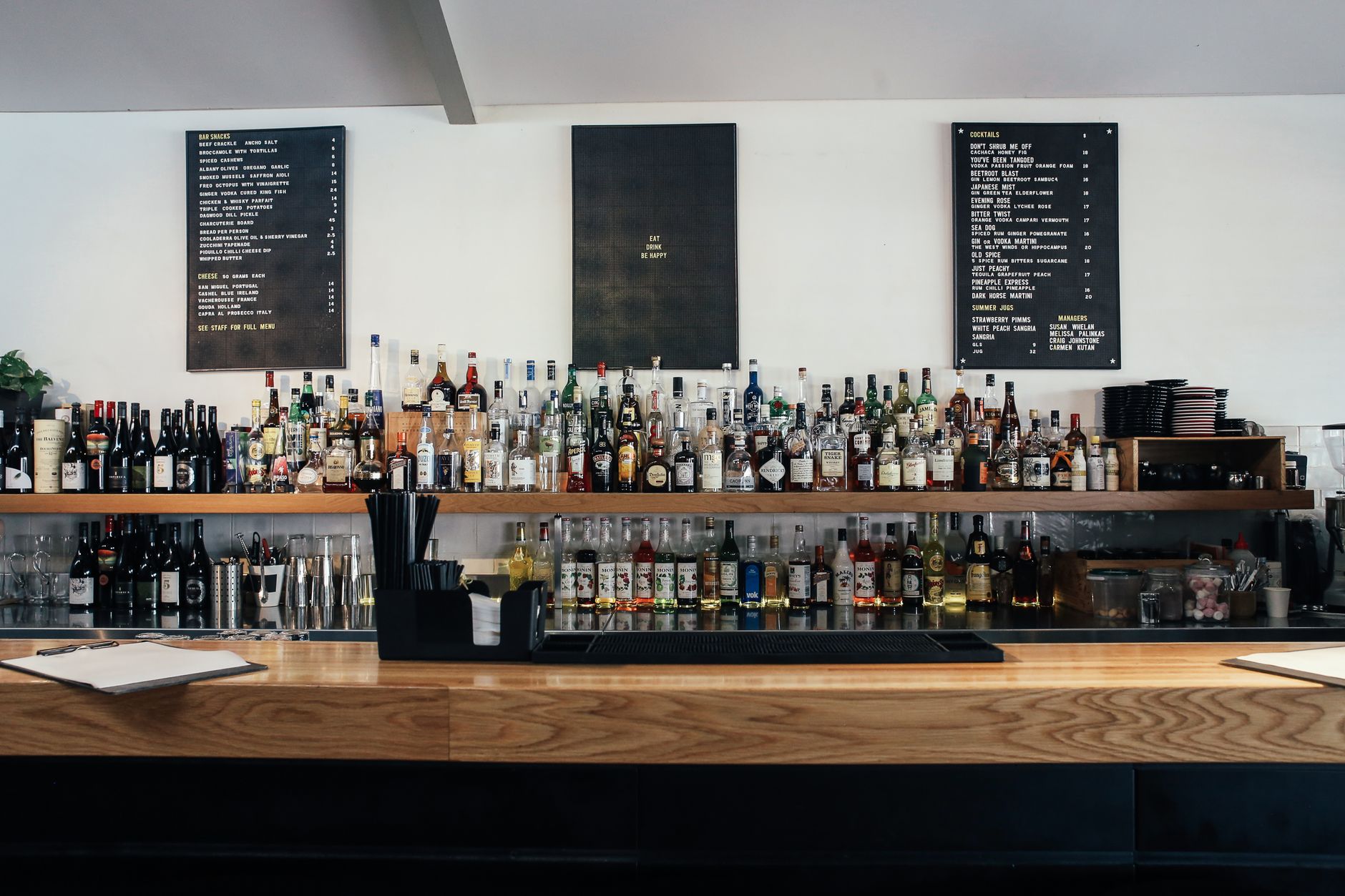
According to reporting from ABC11 Raleigh-Durham, the fresh downtown destination seeks to serve as an all-day anchor for nearby residents, remote workers, and evening diners. The concept brings together pub fare, artisanal cocktail programs, and a fully functional morning cafe under a single roof. This operational strategy reflects a broader trend within the food sector, where operators must rethink spatial utility to survive rising urban lease rates and changing consumer habits. Turning the floor plan into a multipurpose layout ensures every square foot pulls its weight from dawn until closing.
For decades, commercial real estate in metropolitan downtowns relied on distinct daytime and evening tenants. A leaseholder either operated a breakfast cafe that shuttered by mid-afternoon or a dinner-focused pub that remained quiet until happy hour. Today, rising real estate costs and higher payroll demands make single-use commercial leases increasingly risky.
By operating throughout a 15-hour window, modern hybrid concepts spread fixed overhead expenses across multiple revenue streams. Stacking morning espresso sales on top of evening pub orders helps balance out baseline operating expenses.
The economics of downtown Raleigh make it an ideal market for testing extended service hours. The city has experienced rapid residential growth over the past decade, driven largely by technology firms and corporate expansions in the nearby Research Triangle Park. As more residents live within walking distance of central business corridors, the demand for flexible gathering spaces has surged. Local patrons need spaces that adapt to their shifting daily routines without forcing a move to a secondary venue.
While the concept of an all-day neighborhood hub appeals to consumers, managing such a facility presents complex operational hurdles for owners. Staffing a venue that transitions from barista service at dawn to full-service kitchen operations at night requires thorough staff training and flexible scheduling. Operators must carefully manage supply chains to support drastically different menu offerings throughout the day without incurring high food waste. Balancing cafe items with pub fare requires tight inventory controls so fresh ingredients do not spoil.
Interior design plays a critical role in executing this transition successfully. Venues must offer bright, comfortable lighting and functional workspace seating during morning and afternoon hours. As evening approaches, the ambiance must shift seamlessly into an inviting nightlife environment without alienating patrons who linger over late-afternoon beverages or business meetings. Tweaking music playlists, dimming lighting, and shifting service styles keep the room comfortable for laptop users while welcoming the incoming happy hour crowd.
Modern consumer behavior has evolved significantly since the shift toward flexible work arrangements. Remote and hybrid professionals often look for third places outside their home offices where they can work productively while accessing quality food and drink. Venues that provide high-speed internet, ample seating, and a full menu ranging from espresso to craft beer cater directly to this demographic shift. Having a reliable workspace with continuous food and drink options makes remote work days far more versatile.
In addition, diners increasingly prioritize convenience and versatility in their social choices. Rather than hopping between multiple venues for coffee, dinner, and late-night drinks, modern urban patrons frequently seek out unified concepts that deliver a consistent standard of service across all dayparts. The newly opened Raleigh venue leans heavily into this desire for convenience by offering comfort foods alongside beverage options. Eliminating the hassle of traveling across town for different stages of an evening appeals to busy residents.
The introduction of high-footprint, multi-use venues often acts as a catalyst for surrounding retail and residential development. When a commercial property maintains high occupancy and activity levels throughout the day, adjacent streets benefit from improved pedestrian safety and increased overall foot traffic. Local business associations point to successful hybrid venues as essential components of walkable urban ecosystems. Continuous street-level activity encourages nearby retail stores to stay open longer and keeps central business corridors lively.
In Raleigh, the arrival of this comprehensive dining and drinking venue highlights the continued maturation of the city center. As real estate development continues across North Carolina, urban planning experts expect similar multi-concept hospitality projects to emerge in secondary and tertiary markets across the Southeastern United States. Operators who master the balance of daypart transitions stand to gain a competitive edge, proving that flexible operational models can outlast traditional single-use concepts.
For urban diners and remote workers, the growth of all-day hybrid venues offers real convenience and flexibility. You no longer need to switch locations as your daytime work routine transitions into evening leisure hours. Having access to coffee, full kitchen menus, and structured cocktail programs in a single neighborhood venue allows you to curate your dining experience based on your schedule rather than rigid service hours. It simplifies daily routines, letting you transition seamlessly from coffee to cocktails.
From a market perspective, supporting these multi-use spaces helps foster healthier urban neighborhoods. When local venues remain active from morning until late at night, they contribute directly to safer streets and stronger local economies. As these business models continue to prove successful in growing cities like Raleigh, consumers can expect to see more flexible dining options opening in their communities, changing how city dwellers work, eat, and socialize.
Sources and methodology
Reported from the public datasets below.
More from the Foodie Pundit Newsroom
- Papa Johns CFO Outlines Tech-Driven Growth Strategy as Digital Sales Surge
- Inside the Digital Overhaul Driving Papa Johns Financial Strategy
- FDA Unveils Stricter Digital Traceability Mandates for National Food Supply Chain
- Kroger and Albertsons Merger Reaches Critical Turning Point as Industry Braces for Consolidation
- McDonalds Overhauls Kitchen Protocols to Upgrade Flagship Big Mac and Core Burgers