Your grocery list is your new smoke shield
New research reveals how certain foods and antioxidants can act as a delicious defense mechanism against the growing threat of wildfire smoke and air pollution.
By Foodie Pundit Newsroom - Published - Updated - Section: Food Safety
Key points
- A diet rich in antioxidants like Vitamins A and E, zinc, and magnesium can help protect your lungs from the harmful effects of air pollution and smoke.
- Omega-3 fatty acids, found in fatty fish like salmon and plant sources like flaxseeds, may be particularly beneficial for individuals with COPD exposed to poor air quality.
- Building a "resilience pantry" with foods like sweet potatoes, almonds, lentils, dark chocolate, and salmon can be a proactive defense strategy for wildfire season.
- The findings shift the focus from passively avoiding bad air to actively strengthening your body's defenses through everyday food choices.
- You don't need expensive supplements; the protective nutrients are readily available in common, whole foods found at any grocery store.
The orange haze, the smell of a distant campfire you know is not a campfire, the scratch in the back of your throat. For a growing number of Americans, this is the unofficial start of summer. Wildfire season, once a regional concern, is now a national reality, painting skies from California to New York in an apocalyptic sepia tint and sending air quality indexes into a tailspin.
For years, the advice has been the same: stay indoors, buy an air purifier, and maybe invest in an N95 mask for your dog. But what if one of the most powerful tools in your arsenal against the respiratory impacts of smoke was already in your kitchen? What if your grocery list could be a form of self defense?
A groundbreaking study published in the "Journal of Occupational and Environmental Medicine" suggests just that. Researchers analyzing data from a long-term health study following a massive 2014 coal mine fire in Australia found a startling connection between what people ate and how their bodies handled extreme smoke exposure. The findings are a game-changer, shifting the conversation from passive avoidance of bad air to proactive nutritional defense.
It turns out, a diet rich in specific antioxidants might be the unsung hero in the fight for your lungs. The study zeroed in on the effects of PM2.5, the microscopic boogeyman of air pollution. These tiny particles, less than 2.5 micrometers in diameter, are small enough to bypass your body's natural defenses, lodging deep within your lungs and even entering your bloodstream. They are the primary reason wildfire smoke is so hazardous, linked to everything from a nagging cough to more serious chronic conditions like COPD.
But the Australian researchers discovered that people who consistently consumed adequate amounts of certain nutrients showed a weaker link between that PM2.5 exposure and nasty respiratory symptoms. It was as if their diet had built a shield around their lungs. This isn't about a magical cure-all; it's about building resilience, one bite at a time. The implications are profound, reaching far beyond the fire-ravaged landscapes of Australia and landing squarely on the American dinner plate.
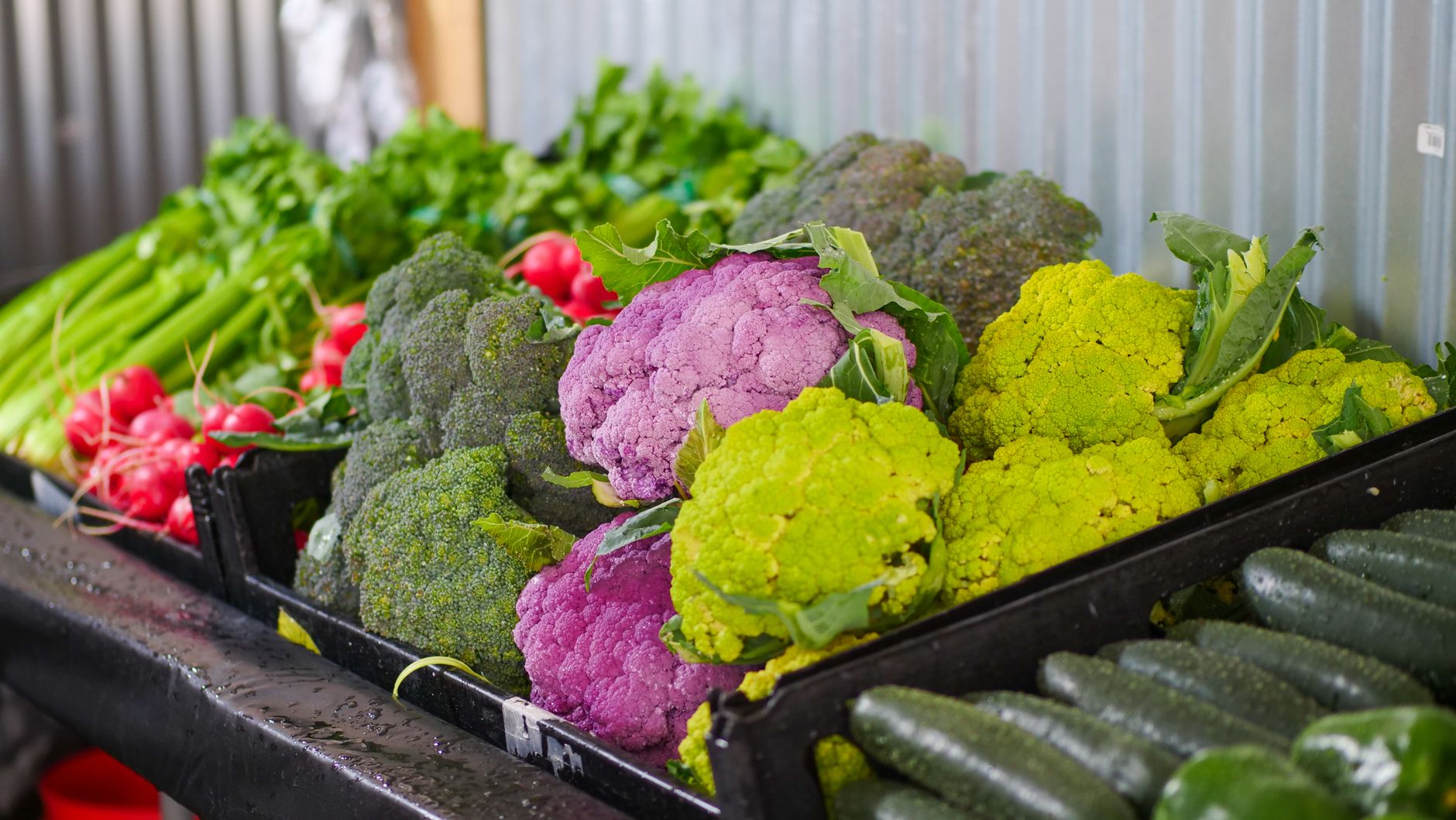
The concept of "eating the rainbow" has been a dietary cliche for decades, a simple way to encourage kids to eat their vegetables. Yet, the Hazelwood Health Study data gives this tired phrase a new, urgent meaning. The protective effects observed in the study came from a diverse group of vitamins and minerals, each found in a symphony of colorful foods.
Let's talk specifics. The research highlighted the power of Vitamin A, which proved effective in attenuating the link between smoke exposure and both chronic cough and phlegm. This isn't some obscure compound; it's the nutrient that gives carrots, sweet potatoes, and butternut squash their vibrant orange hue. It is also abundant in leafy greens like spinach and kale, turning your salad bowl into a fortress of cellular protection.
Then there's Vitamin E, another key player identified in the study. Traditionally known for its skin-health benefits, it turns out this antioxidant is also a respiratory guardian. You can find it in almonds, sunflower seeds, and avocados.
Think of it as an excuse to double down on your morning avocado toast or to add a sprinkle of sunflower seeds to your lunch. These aren't exotic, hard-to-find ingredients; they are staples of modern, health-conscious eating.
These findings suggest that a diet isn't just about calories or weight management anymore. In an age of increasing environmental threats, it's about strategic defense. The grocery store becomes a place to stock up not just for dinner, but for defense against the very air you breathe.
It wasn't just vitamins that played a protective role. The study also put a spotlight on essential minerals, specifically zinc and magnesium. These workhorses of the body are involved in hundreds of enzymatic reactions, and it appears that fending off the effects of pollution is one of their many jobs.
Zinc, which the study found helped reduce the association between PM2.5 and both chronic cough and phlegm, is crucial for immune function. Oysters are famously rich in zinc, but for the less adventurous, beef, pumpkin seeds, and lentils offer a more approachable, and still potent, source. The fact that a humble bowl of lentil soup could be helping to protect your lungs from wildfire smoke is a powerful realization.
Magnesium, another mineral hero, was linked to a lower incidence of chronic cough in the smoke-exposed population. This mineral is found in abundance in dark chocolate, cashews, and black beans. It's a permission slip to indulge in a square of high-quality dark chocolate, not just for pleasure, but for your pulmonary health. It reframes our food choices, adding a layer of environmental resilience to our nutritional calculations.
This data pushes us to think of our mineral intake as something more than a line item on a supplement bottle. It is an active part of our body's interface with a polluted world. A handful of cashews or a side of black beans are not just meal components; they are micronutrient artillery in a battle we didn't even know we were fighting.
Perhaps one of the most compelling findings from the "Journal of Occupational and Environmental Medicine" paper concerned a different kind of nutrient entirely: Omega-3 fatty acids. For individuals at risk for or already suffering from Chronic Obstructive Pulmonary Disease, or COPD, the data was particularly striking. Higher intake of Omega-3s was shown to significantly buffer the association between PM2.5 exposure and the debilitating respiratory condition.
This is huge. COPD is a progressive disease that makes it hard to breathe, and air pollution is a known irritant that can trigger severe flare-ups. The idea that a dietary fat could act as a firewall, calming the inflammatory pathways that pollution aggravates, opens up a whole new avenue for managing the disease.
Sources and methodology
Reported from primary records. Open any source to verify a claim.