Your food might get stopped at the border by the FDA
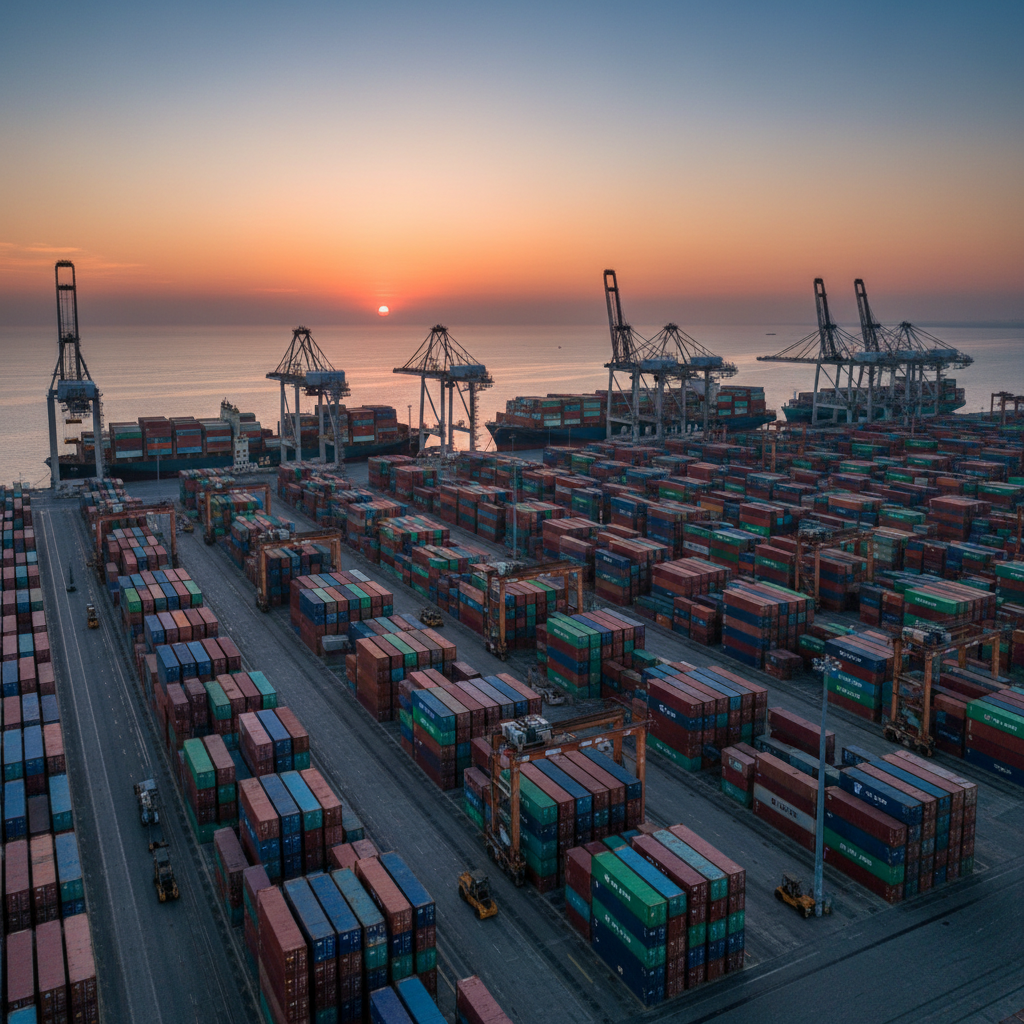
That imported snack might get stopped at the border by the FDA next month, thanks to new alerts targeting foreign suppliers linked to Hep A and Salmonella.
By Foodie Pundit Newsroom - Published - Updated - Section: Food Safety
Key points
- The FDA has issued updated import alerts for July 2026 specifically targeting Hepatitis A and Salmonella in foreign food products.
- Import alerts allow the FDA to detain products 'without physical examination,' shifting the burden of proof to the importer to show the food is safe.
- Independent restaurants are increasingly vulnerable to supply chain price hikes and liability risks as the FDA ramps up its 'strict liability' enforcement at the borders.
Historically, the United States food supply has been viewed through a lens of abundance, but a new wave of regulatory enforcement from the Food and Drug Administration (FDA) is shifting that focus toward a more urgent priority: safety at the borders. On July 10, 2026, the FDA released a series of updated import alerts that signal a high-stakes crackdown on foreign food items contaminated with Hepatitis A and Salmonella. While these alerts might look like routine administrative updates to the untrained eye, they represent a significant legal and operational barrier for thousands of businesses across the American food landscape.
The agency is essentially putting a global spotlight on suppliers who fail to meet U.S. standards. By updating these alerts, the FDA is exercising its power to detain products from specific foreign manufacturers without physical examination. For the food industry, this is the equivalent of being put on a digital "no-fly list." Whether you are a corporate procurement officer for a national grocery chain or an independent chef looking for the best imported spices and produce, the legal tea is clear: the safety of our global supply chain is under intense scrutiny, and the margin for error has evaporated. The Legal Tea
In the world of food law, an "import alert" is one of the most powerful tools in the FDA's arsenal. Usually, the burden of proof is on the government to show that a product is contaminated before they can seize it. However, under the authority of the Federal Food, Drug, and Cosmetic Act, the FDA can issue an import alert which effectively flips the script.
When a supplier or a specific geographic region is placed on an alert list, the burden of proof shifts to the importer. They must prove that their specific shipment is safe before it is allowed to enter U.S. commerce.
The July 2026 updates are particularly aggressive because they target pathogens that are famously difficult to manage. Hepatitis A is a viral liver disease often transmitted through contaminated water or person-to-person contact during food handling. Salmonella, meanwhile, remains one of the leading causes of bacterial foodborne illness. By specifically flagging these two threats, the FDA is signaling that it no longer views these as occasional risks but as systemic failures in international processing plants.
Legally, this means that any company attempting to bring these flagged goods into the country faces "Detention Without Physical Examination" (DWPE). If you are a business owner and your supplier is on this list, your product will be stopped at the port. You will then have to pay for third-party testing, storage fees, and legal counsel to petition for the release of your goods.
If you can't prove they are clean, the food is either destroyed or shipped back at your expense. It is a financial and logistical nightmare that can bankrupt smaller players in the industry. Who Is On The Hook
When the FDA updates its import concerns, the ripple effect hits several different groups, each with its own level of legal and financial exposure.
First, you have the Foreign Manufacturers and Packers. These are the primary targets of the FDA's updates. Being added to an import alert can effectively kill a manufacturer's business in the United States.
To get off the list, they often have to undergo a rigorous process involving multiple clean shipments and a "Petition for Removal" that can take months or even years to process. For these entities, the hook is absolute.
Second are the U.S. Importers and Distributers. These are the companies physically bringing the goods across the border. Under the Food Safety Modernization Act (FSMA), specifically the Foreign Supplier Verification Program (FSVP), these importers are legally responsible for ensuring their suppliers are following U.S. safety standards. If an importer continues to source from a producer flagged for Hepatitis A or Salmonella without doing their due diligence, they aren't just losing their shipment, they are potentially facing federal fines and increased scrutiny of their entire business operation.
Third, and perhaps most importantly for our audience, are the Retailers and Restaurant Operators. When a major shipment of imported frozen berries or spices is seized or recalled due to a updated alert, the "last mile" businesses are the ones left with empty shelves and angry customers. Even if a restaurant didn't directly import the contaminated goods, they are still on the hook for the safety of the food they serve. If a customer gets sick from an ingredient that was listed on an FDA import alert, the restaurant's liability insurance might not cover the damages if it is determined they failed to monitor the safety of their supply chain. The Allegations Unpacked
The FDA's core allegations revolve around the presence of "adulterated" food entering the United States. In legal terms, "adulterated" doesn't just mean the food is dirty; it means it contains any poisonous or deleterious substance which may render it injurious to health.
The concern over Hepatitis A is often tied to products like frozen fruits, raw shellfish, and ready-to-eat vegetables. Because Hepatitis A is a virus, it can survive freezing and heat that would kill other bacteria. The FDA's allegation is that foreign facilities are not maintaining the "Good Manufacturing Practices" (GMPs) necessary to prevent human-to-food contamination. This often points to poor sanitation facilities for workers or contaminated water used during irrigation or processing.
Salmonella allegations are even more widespread. The FDA is targeting everything from imported tahini and spices to seafood and poultry. The agency is alleging that these foreign facilities are not properly monitoring their environments for the bacteria or are using processing methods that allow the bacteria to proliferate.
Sources and methodology
Reported from the public datasets below.