Factchecking Political Claims on Falling Prices Against Grocery Shelf Reality
A breakdown of consumer price data reveals why public claims of falling grocery costs fail to match the reality at retail checkouts.
By Foodie Pundit Newsroom - Published - Updated - Section: Grocery Cpg
Key points
- Slowing inflation rates mean prices are rising more slowly, not that retail costs are actually dropping.
- grocery costs remain historically high due to elevated labor, processing, and transportation expenses.
- Political statements claiming price reductions confuse public perception by conflating disinflation with actual deflation.
- Retailers favor temporary promotional loyalty deals over permanent baseline price cuts across major categories.
Political rhetoric regarding the domestic economy often diverges from the financial experiences of daily consumers at the checkout lane. Recent public statements from political figures claiming that consumer prices are actively dropping have drawn sharp scrutiny from economic analysts and factcheckers alike. While overall inflation metrics have cooled from their peak levels seen in previous years, the cost of food remains significantly elevated compared to pre-pandemic baselines.
Reporting by PolitiFact highlights the critical distinction between disinflation, which refers to a slowing rate of price increases, and deflation, which describes an actual decline in retail prices. For most American households, grocery bills continue to represent a substantial monthly burden because food prices have largely stabilized at high levels rather than reversing. Understanding these economic mechanics helps clarify why political assertions of falling prices do not align with current supermarket register receipts.
The Consumer Price Index, maintained by the Bureau of Labor Statistics, serves as the primary gauge for measuring price changes across the economy. Recent data indicates that while the annualized rate of inflation has moderated significantly from its peak above nine percent in mid-2022, the food at home category continues to show persistent upward pressure or sideways movement. Food inflation has not entered negative territory, which would be required for prices to actually drop on a broad scale.
When politicians cite falling inflation rates, they are frequently referring to the deceleration of price growth rather than a reduction in nominal costs. A lower inflation rate simply means that items are becoming more expensive at a slower pace than before. Consequently, a box of cereal or a carton of eggs that saw massive price jumps over the past three years remains priced at those higher figures, even if the month-over-month increase has flattened out.
Certain staple foods have experienced selective price declines due to localized supply chain recoveries, but these dips are exceptions within a generally elevated basket of goods. Egg prices, for example, dropped from record highs after severe avian influenza outbreaks subsided, only to experience renewed volatility during subsequent agricultural disruptions. Meanwhile, categories such as beef, processed items, and bakery goods have maintained high price floors due to elevated labor, feed, and transportation costs.
According to agricultural economists cited in recent factchecking analyses, input costs for food manufacturers and retailers remain historically high. Energy costs, packaging materials, and wages across the logistics sector have not returned to pre-2020 levels. These structural expenses prevent food processing companies and grocery chains from drastically slashing retail shelf prices, even when wholesale commodity prices ease slightly.
The gap between economic data and public perception creates a challenging environment during election cycles. Political candidates frequently point to specific, isolated data points to construct narratives about economic prosperity or failure. Statements suggesting that prices are dropping across the board misrepresent the official data tracked by federal agencies, leading to confusion among voters who compare those claims directly against their personal expenditures.
Economic surveys consistently show that food costs are among the most visible indicators of economic health for the average citizen. Because consumers purchase groceries multiple times per week, they are uniquely sensitive to shelf pricing compared to less frequent purchases like vehicles or consumer electronics. As a result, claims that inflation has been conquered or that prices are declining are often met with skepticism by shoppers facing persistent budget pressures.
Beyond macroeconomic factors, retail pricing strategies play a major role in keeping food costs elevated for shoppers. Many major supermarket chains and packaged food conglomerates have maintained higher profit margins established during the peak inflationary period. While some consumer packaged goods companies have reported declining sales volumes as budget-conscious shoppers trade down to store brands, overall revenues have remained strong due to sustained higher prices.
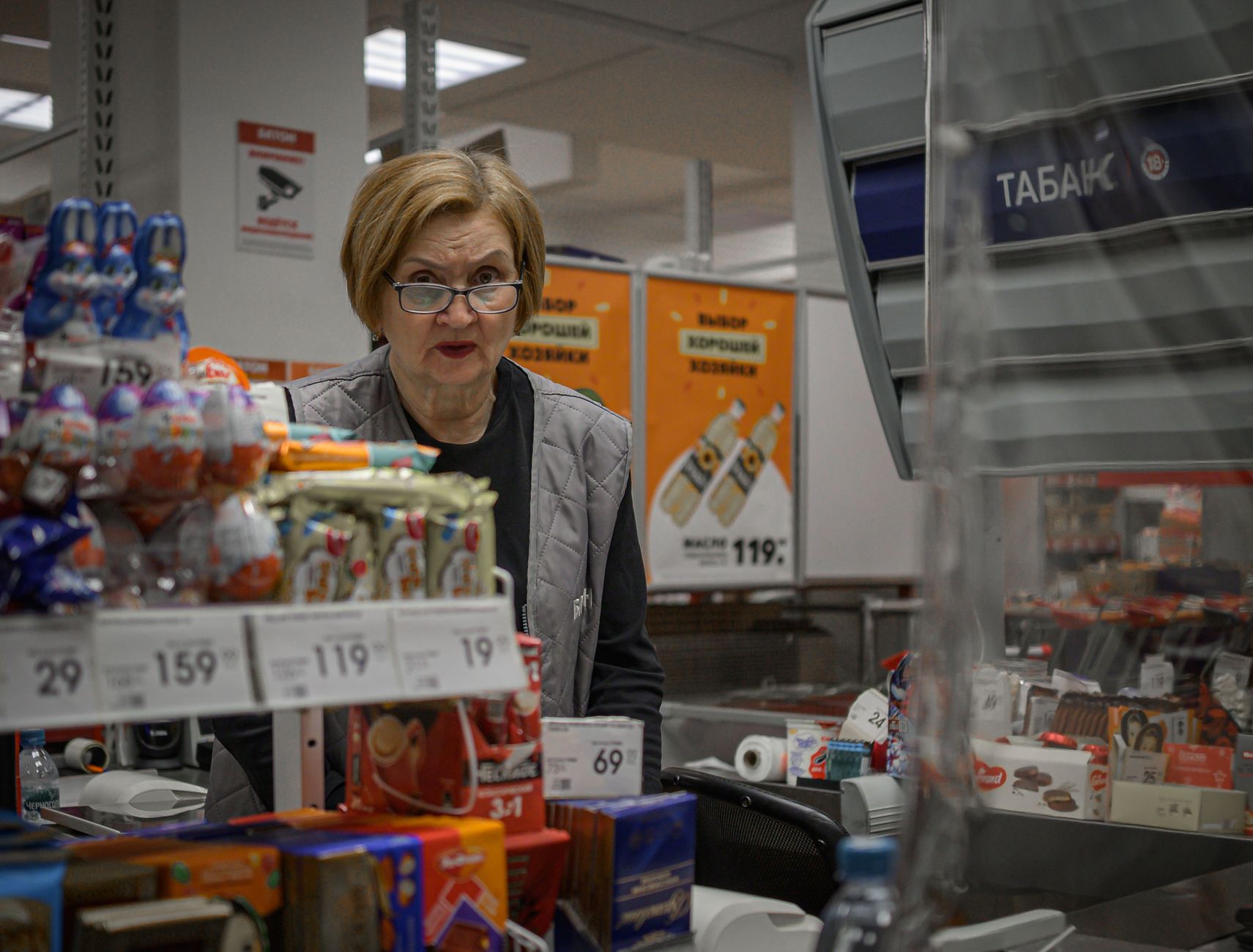
Retailers have increasingly turned to promotional discounts, digital coupons, and targeted loyalty programs rather than broad, permanent price cuts. This strategy allows stores to offer selective relief to price-sensitive shoppers without lowering the baseline retail price for the general market. Consequently, while individual shoppers who actively hunt for deals may see reduced totals, the sticker prices displayed on supermarket shelves reflect a high static baseline across major categories.
For the average household, navigating current grocery store trends requires a clear view of personal budgeting rather than reliance on political commentary. Because deflation across the broader food sector is historically rare and economically damaging, consumers should not expect food prices to return to pre-pandemic levels in the foreseeable future. Planning around current price floors remains the most realistic approach for domestic financial management.
Shoppers can mitigate high food expenses by leveraging private label alternatives, utilizing digital supermarket loyalty apps, and tracking seasonal agricultural cycles. While political figures will continue to debate economic statistics on the campaign trail, understanding the difference between slowing inflation and actual price cuts empowers consumers to make informed choices at the checkout line. Managing household expectations around long-term structural food costs remains essential for maintaining long-term financial stability.
Sources and methodology
Reported from the public datasets below.
More from the Foodie Pundit Newsroom
- Montreal food halls are finally cool, chefs love them
- Grazing boards are out, diners want real food
- Global Food Prices Surge to Multi-Month Highs as Wholesale Supply Costs Escalate
- Why Scaled-Down Food Collections Are Redefining Urban Dining Economics
- National Brands Shift Toward Discounts as Grocery Volume Sales Decline