Why your dinner in Fairbanks, AK may cost more this quarter
Quarterly look at what plates may cost in Fairbanks, AK, where federal food and farm money goes, and why seafood, BBQ and food trucks are getting pricier.
By Foodie Pundit Newsroom - Published - Updated - Section: Policy Regulation
Key points
- Fairbanks menu prices rose 7.1 percent this quarter, roughly matching the national 7.2 percent, but noticeable jumps cluster in fuel- and freight-sensitive plates like seafood and BBQ.
- Federal awards to University of Alaska Fairbanks, including a $1,915,954 place-based food and energy sovereignty grant and recurring Smith-Lever and Hatch funds around $1.25 million, fund research, extension and community projects, and are not direct cash to diners.
- The city of Fairbanks, AK has not published any municipal food budget lines for this period, so local spending on food programs at the city level is not readily visible in the records on file.
You are at a battered wooden table in Downtown Fairbanks, AK. You order the seafood plate, it rings up at $28.50. Your friend gets the steakhouse ribeye, $32.00.
Another person at the table nibbles on a slice of pizza for $16.20, while someone else tucks into a farm-to-table bowl for $19.20. Someone else is eyeing the Downtown food truck special, $22.00, and the late-arriving guest pulls out $18.50 for a burger from College. A typical plate in town, the consensus after everyone puts their receipts together, is $20.27.
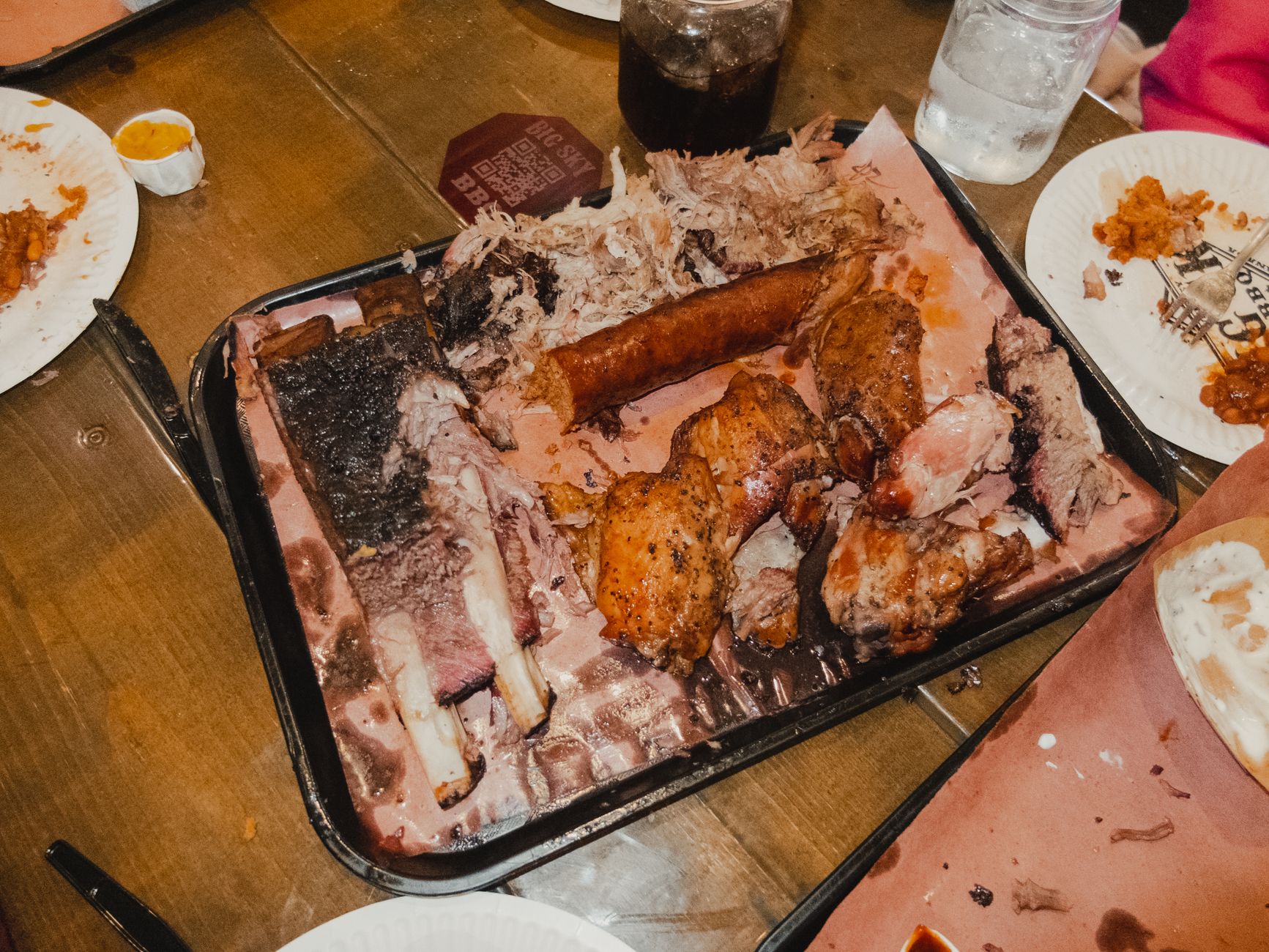
Fairbanks, AK has shifted menu prices up 7.1 percent citywide this quarter, nearly the same as the national movement of 7.2 percent. That similarity conceals local variations. The most expensive jumps are clustered where getting fresh protein and produce to the interior matters most: seafood plates in Downtown are up 14.2 percent, BBQ at Airport Way is up 13.5 percent, and food trucks in Downtown are up 11.5 percent. If you live here and eat out, the tab you are used to may not be moving in lockstep with the Lower 48, even if the headline number looks familiar.
These federal awards are the visible public money touching Fairbanks, AK. All of the grants listed were awarded to the University of Alaska Fairbanks by the National Institute of Food and Agriculture. They fall into three practical buckets: nutrition and meals, farms and growers, and markets and small operators.
- 2018-03-01, NIFA to UNIVERSITY OF ALASKA FAIRBANKS, $1,624,890, purpose: IN REMOTE YUP'IK COMMUNITIES IN SOUTHWESTERN ALASKA, ONE OF THE MOST DISADVANTAGED REGIONS IN THE US, 51% OF YUP'IK ALASKA NATIVE 3 YEAR OLDS ARE OBESE. DESPITE THIS ALARMING STATISTIC, ALASKA NATIVE CHILDREN ARE SERIOUSLY UNDERREPRESENTED. This award focuses on nutrition and health interventions in remote Alaska Native communities.
Practically, that means dollars for programs that design meals, track nutrition outcomes, and support community-based feeding and education in regions with high obesity and limited grocery access. On a menu in Fairbanks it may be seen alongside soul food and farm-to-table plates, items that restaurants and community kitchens suggest are healthier local options.
- 2024-09-15, NIFA to UNIVERSITY OF ALASKA FAIRBANKS, $1,586,402, purpose: THE UNIVERSITY OF ALASKA FAIRBANKS, COLLEGE OF INDIGENOUS STUDIES AND CAMPUSES... This award names campus networks including Interior Alaska in Fairbanks. Its stated purpose ties into place-based programming that can include nutrition education and culturally specific meal work. It funds people and program planning that community meal providers and tribal organizations can draw on when they design menus or nutrition curricula; on the menu, its work may be associated with seafood and traditional dishes that local organizations highlight in feeding programs.
- A cluster of Smith-Lever and Hatch funding runs across years and totals recurring sums that support research, extension and farm assistance in Alaska. Examples in the record include: 2023-10-01, NIFA to UNIVERSITY OF ALASKA FAIRBANKS, $1,298,810, purpose: THE MISSION OF THE UNIVERSITY OF ALASKA FAIRBANKS COOPERATIVE EXTENSION SERVICE; 2024-10-01, NIFA to UNIVERSITY OF ALASKA FAIRBANKS, $1,295,425, purpose: THE MISSION OF THE UNIVERSITY OF ALASKA FAIRBANKS COOPERATIVE EXTENSION SERVICE; 2025-10-01, NIFA to UNIVERSITY OF ALASKA FAIRBANKS, $1,292,040, purpose: THE MISSION OF THE UNIVERSITY OF ALASKA FAIRBANKS COOPERATIVE EXTENSION SERVICE; 2021-10-01, NIFA to UNIVERSITY OF ALASKA FAIRBANKS, $1,278,844, purpose: FY22 ALASKA SMITH-LEVER 3(B) & 3(C); 2019-10-01, $1,259,698; 2020-10-01, $1,256,452; 2018-10-01, $1,262,944. These are the long-running federal lines that pay for Cooperative Extension work, field research, greenhouse trials, heating and fertilization strategies for Alaskan producers, and technical assistance aimed at limited-resource growers. On a Fairbanks plate, this money may be associated with the farm-to-table bowl and the salad items in poke and ramen houses, the lines where local growers hope to see their produce appear.
- 2023-10-01, NIFA to UNIVERSITY OF ALASKA FAIRBANKS, $1,125,429, purpose: RESEARCH CONDUCTED AT THE UAF AGRICULTURAL AND FORESTRY EXPERIMENT STATION WITH HATCH REGULAR RESEARCH FUNDING. These Hatch funds back agricultural research that relates directly to crop choices, greenhouse management, and ways to extend growing seasons in Interior Alaska. That research may align with the Farm-to-Table and Thai and Vietnamese menu items that rely on local greens when possible.
- 2022-09-16, NIFA to UNIVERSITY OF ALASKA FAIRBANKS, $1,915,954, purpose: PLACE-BASED SOLUTIONS FOR ALASKA NATIVE FOOD & ENERGY SOVEREIGNTY. This is the largest single award in the list. Its purpose name blends food and energy sovereignty work.
The money funds community projects, local infrastructure studies, pilot programs for storage or processing, and workforce learning that small operators, tribal organizations, and community food hubs can use. On your check, this award may be associated with the Downtown seafood plate and the BBQ at Airport Way, particularly when restaurants highlight investments in local processing or cold storage as part of resiliency work.
- 2022-10-01, NIFA to UNIVERSITY OF ALASKA FAIRBANKS, $1,302,196, purpose: ABSTRACT ALASKA IS RECOGNIZED FOR ITS IMMENSE SIZE AND SPARSE POPULATION... and 2022-10-01, $1,132,909, purpose: ALASKA IS RECOGNIZED FOR ITS IMMENSE SIZE, DISPERSED POPULATION... These awards fund regionally tailored extension and outreach, which small operators and food entrepreneurs can access for business planning, market readiness, and product development. For a food truck operator in Downtown Fairbanks, this is the kind of support that can mean technical assistance on cold chain, permits or pricing strategies; on the menu it may be linked to the food-truck special.
Fairbanks, AK has not published a city food line for this period. There are no municipal budget lines, appropriations, or spending entries on file that explicitly earmark city money for food, meals, farmers markets, food trucks, or nutrition programs. Because the city has not published a food line, separating money already spent from money only budgeted at the city level is not possible with available public records. The public awards above are the only recorded local-facing food and farm investments in the files we have.
We see the steepest menu jumps in the items that depend most on fuel, freight, and cold storage. Seafood in Downtown, up 14.2 percent with a $28.50 plate; BBQ at Airport Way, up 13.5 percent and $18.20; Downtown food trucks, up 11.5 percent and $22.00; soul food in College, up 11.2 percent and $24.00; and Downtown steakhouses, up 10.5 percent and $32.00.
Here is what the federal money touches, without asserting it directly caused the price changes.
- Transportation and energy pressure points. The PLACE-BASED SOLUTIONS FOR ALASKA NATIVE FOOD & ENERGY SOVEREIGNTY award, $1,915,954, names energy and food sovereignty in its title. That funding can underwrite pilot projects for cold storage, community processing, and energy-efficient technologies that reduce reliance on long diesel runs.
Those are practical things that may be associated with the seafood and BBQ lines on menus. They do not by themselves set the price, but they represent a type of public spending that may help support infrastructure needed to keep seafood fresh and BBQ meats cooled before they are smoked.
- Grower support and greenhouse work. The consecutive Smith-Lever and Hatch awards, each in the roughly $1.25 million to $1.30 million range, are described as the federal backbone for Cooperative Extension and experiment-station research in Interior Alaska. They fund greenhouse trials, fertilization strategies, and heating techniques that producers need to get fresh herbs and leafy greens into the market in winter and shoulder seasons.
Those research dollars may be seen in relation to the farm-to-table bowl at College, the Thai and Vietnamese plates that utilize fresh herbs, and the poke and bowls that rely on greens. When restaurants state their herbs are local, these are among the programs that aim to facilitate that.
- Markets, small operators and business help. The years of extension funding that explicitly mention reaching limited-resource producers and dispersed populations pay for outreach to small operators and food entrepreneurs. That support is the same kind of public help that a Downtown food truck, or a small BBQ joint on Airport Way, could access for technical assistance on logistics, storage, or business planning.
It may be linked to the food-truck price and the BBQ plate on your menu. The existence of these awards, by itself, is not a direct price lever; rather, it is a resource people and businesses can use to potentially mitigate some costs.
- Nutrition programming. The 2018 award focused on Yup'ik communities flags a persistent public investment in nutrition and health education for Alaska Native children and families. That work connects to the soul food and community meal offerings in College and broader Fairbanks programming that emphasize culturally relevant and healthier choices. On your plate, it may be associated with the soul food dish when community groups or feeding programs organize menus.
- Tribal and rural communities. The place-based and Yup'ik-focused grants are aimed squarely at Alaska Native communities, including remote villages outside of Fairbanks. They fund program design, energy planning, and pilots that tribal governments and regional nonprofits can use. This means some of the people involved in food policy and operating feeding programs in and around Fairbanks have access to federal resources intended for their work.
- Producers and growers who engage with UAF extension. The repeated Smith-Lever and Hatch lines are designed to reach limited-resource producers and to fund research that helps growers in Interior Alaska extend the season or reduce heating and fertilizer costs. Farmers and greenhouse operators who sign up for extension programming are the intended beneficiaries.
- Small food operators and food hubs that seek technical assistance. The extension outreach and the place-based solutions dollars can be applied to market infrastructure, cold storage planning, and business development assistance, which small operators like food trucks, market vendors, and neighborhood restaurants can use when they participate in those programs.
- Most direct relief for everyday diners. None of the recorded awards is an emergency food-stamp style transfer that puts dollars directly on low-income family grocery lists at scale. They are programmatic, research and capacity-building dollars, not direct cash to households. If your electric or heating bill is absorbing a significant portion of your food budget, these federal awards are not the same as SNAP or other direct benefits.
- Immediate help for restaurant payroll and rent. The grants primarily fund research, extension, and community-level projects. They do not provide direct payroll subsidies for cooks, or rent relief for restaurants contending with higher heating and shipping costs this winter. This leaves many front-of-house and back-of-house workers subject to the same market pressures that push plate prices up.
- Operators who are outside of extension reach. If you run a food truck or a hole-in-the-wall restaurant and do not engage with UAF Cooperative Extension programming, you may be less likely to directly benefit from these dollars. Barriers can include awareness, time, and the administrative capacity to apply for technical assistance or pilot funding.
These dated records are the ones to keep an eye on if you are following where the public money might next touch a Fairbanks menu.
- 2022-09-16, $1,915,954, PLACE-BASED SOLUTIONS FOR ALASKA NATIVE FOOD & ENERGY SOVEREIGNTY. This is the largest recent award explicitly tying food and energy together.
- 2024-09-15, $1,586,402, the College of Indigenous Studies and campus network award that includes Interior Alaska. It frames how culturally specific programming could roll out in Fairbanks.
- The suite of Smith-Lever and Hatch recurring annual awards: 2023-10-01, $1,298,810; 2024-10-01, $1,295,425; 2025-10-01, $1,292,040; and prior 2019 through 2022 entries around $1.25 million each. These are the steady funding lines that support extension, and they are renewed on a cadence worth watching.
- 2018-03-01, $1,624,890, the Yup'ik community nutrition award. Its earlier scope signals long-running federal attention to nutrition in Alaska Native communities, a thread that intersects with current place-based work.
Also watch local fuel and transport price signals referenced in menu notes. The notes record regular gas at $9.46 a gallon in the interior, a 43 percent surge in diesel noted alongside pizza prices, and a diesel spike of over 57 percent noted with soul food and other categories. Those are market inputs that tend to show up on bills before they are reflected on your menu.
Your dinner in Fairbanks, AK this quarter illustrates two realities: rugged, expensive logistics and steady institutional work to make local food systems more resilient. A typical plate costing $20.27 is the arithmetic of menu calculus. The most noticeable jumps are in the lines that need cold chain and heavy fuel to move protein and fresh produce to the interior. Seafood at $28.50 and up 14.2 percent, BBQ at $18.20 and up 13.5 percent, and food trucks at $22.00 and up 11.5 percent are where you may feel that first.
Federal awards to University of Alaska Fairbanks are funding research, extension, indigenous-centered programming, and pilot energy-food projects. Those are the public-dollar pieces that may be associated with the seafood, farm-to-table and food-truck items on the menu. They do not, however, appear as city budget lines in Fairbanks, AK. The city has not published a food line for this period, which means municipal-level spending is not readily visible in the public records we have on file.
If you wish to keep menu prices from consuming your paycheck, observing extension programming and place-based award announcements and engaging with them may be beneficial if you are a grower, a market vendor, or a small operator. Those programs represent public tools aimed at long-term relief for producers and small businesses. However, if you are a diner or a service worker, the relief you feel most quickly may come from different channels: direct benefits and local measures that reduce rent, energy bills, or payroll costs.
For now, prepare for higher prices for seafood nights, note the rising sticker shock on Downtown food-truck menus, and recognize that the federal dollars listed here represent background work that, over time, may help Alaskan producers and small operators reduce some of the pressure that could be making your plate pricier this quarter.