Fast Casual Concepts Lead Restaurant Industry Growth Through Efficiency and Digital Convenience
Fast casual concepts are capturing record market share by offering high-quality ingredients with digital convenience.
By Foodie Pundit Newsroom - Published - Section: Restaurants
Key points
- Fast casual dining concepts are outperforming both legacy quick-service and full-service restaurants in market share.
- Perceived food quality combined with digital ordering options drives higher customer spending and repeat traffic.
- Smaller real estate footprints and streamlined kitchen operations keep overhead costs lower for operators.
- Demographic shifts toward customizable and healthier meals support long-term segment expansion.
The restaurant industry faces intense margin pressure and shifting consumer habits, but one category continues to outperform the rest of the dining landscape. Fast casual dining concepts are capturing market share from both traditional fast food chains and full-service dining establishments. Consumers are increasingly prioritizing speed and convenience, yet they remain unwilling to sacrifice ingredient quality or customized ordering.
Nation's Restaurant News has tracked the growth of these hybrid concepts, noting that operators in the space are outstripping broader industry growth benchmarks. The surge is driven by a combination of digital ordering infrastructure, focused menus, and a sweet spot in pricing that appeals to value-conscious households. While full-service restaurants grapple with rising labor overhead and quick-service brands face backlash over price increases, fast casual operators have positioned themselves as the modern dining standard.
The defining strength of the fast casual segment lies in its perceived value. Diners pay slightly more than they would at a drive-thru, but they receive meal quality that rivals sit-down casual dining establishments. This dynamic has proved particularly attractive during periods of sticky food inflation. Guests feel their dollars stretch further when receiving assembly-line customization, elevated produce, and cooked-to-order proteins without paying for table service or tipping standard gratuity rates.
Furthermore, these operators have refined unit economics to survive current commercial real estate costs. Fast casual prototypes typically require smaller footprints than traditional casual dining eateries. By reducing front-of-house square footage and optimizing kitchen lines for rapid throughput, operators keep fixed overhead manageable while driving higher revenue per square foot.
Digital innovation serves as the secondary engine of the fast casual boom. Modern operators build their business models around dedicated mobile pickup lanes, streamlined app loyalty programs, and automated kitchen display systems. Nation's Restaurant News highlights how tech integration allows brands to process high order volumes during peak lunch hours without clogging dining rooms or overworking staff.
These digital channels also unlock higher average check sizes through targeted upselling and seamless customized add-ons. Consumers ordering through mobile apps frequently spend more per transaction than in-person guests, adding premium toppings, specialized beverages, and sides with a simple tap. The seamless integration of digital channels has made fast casual brands particularly resilient against changing urban commuter traffic patterns.
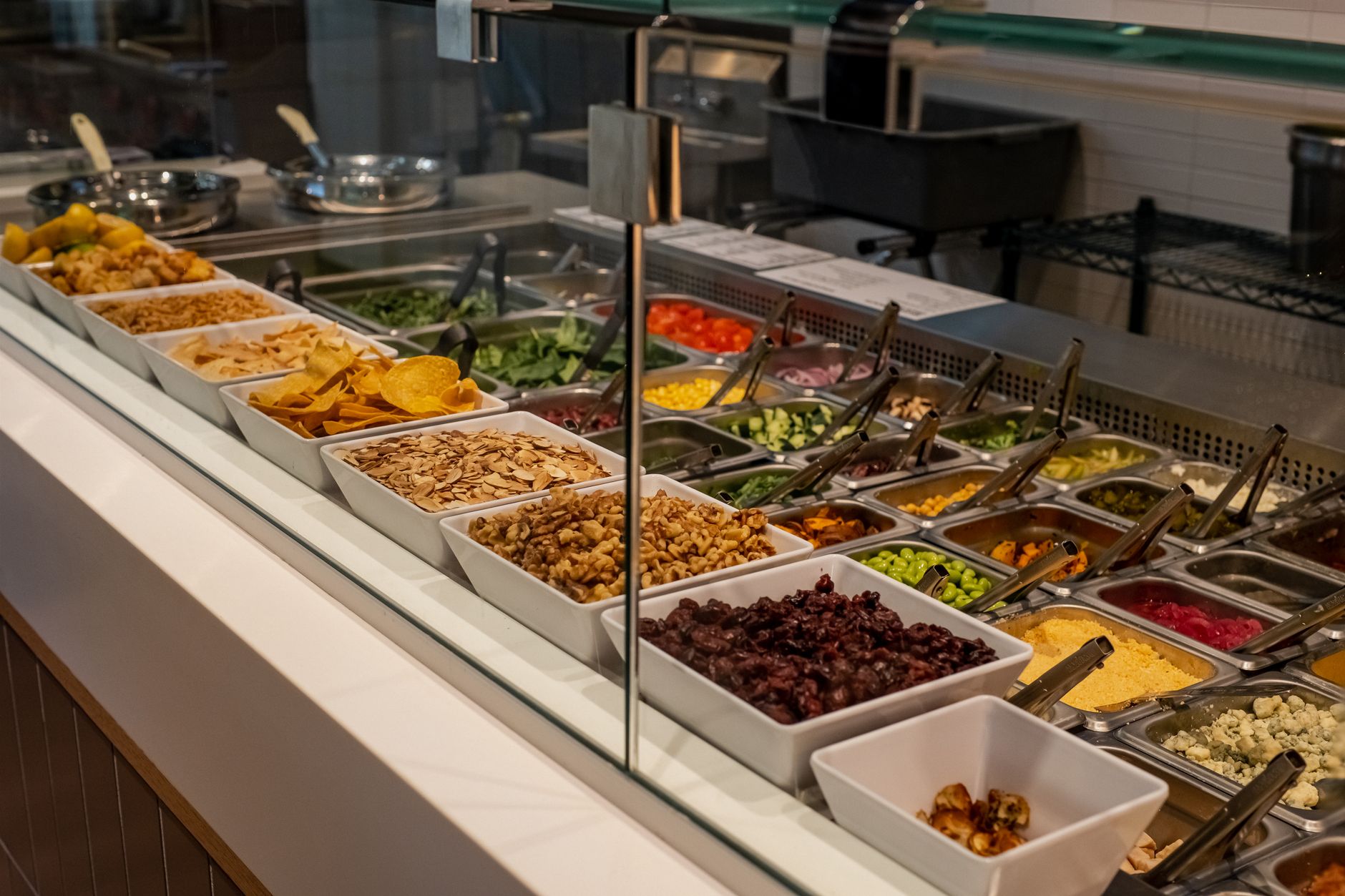
Demographic shifts are heavily favoring fast casual operators. Younger generations of diners prioritize speed, health-conscious ingredients, and international flavor profiles over traditional dining room ambiance. Chains offering customizable bowls, authentic regional cuisines, and clear dietary allergen labeling are capturing a loyal customer base that views dining out as a daily habit rather than a special occasion.
The shift toward hybrid work schedules has also reshaped lunchtime demand patterns. Suburb-based fast casual locations are seeing steady foot traffic throughout the workweek as remote employees seek quick, high-quality meals close to home. Brands that expanded their suburban footprints prior to recent shifts are now capitalizing on steady lunch and early dinner volumes.
Fast casual models demonstrate superior agility during macroeconomic swings. Unlike full-service casual dining restaurants that carry expensive inventory and large service teams, fast casual operators maintain lean operational footprints. Focused menus reduce kitchen complexity, leading to lower food waste and more straightforward cross-training for operational staff.
This efficiency allows operators to pivot quickly when supply chain costs fluctuate. When specific protein or produce costs surge, fast casual menus can adapt through seasonal promotions or subtle build-your-own menu adjustments. This structural flexibility protects operating margins while keeping overall price points acceptable to regular daily customers.
The success of fast casual concepts has forced traditional quick-service giants and casual dining chains to rethink their core operations. Legacy fast food brands are attempting to elevate their ingredient quality and store designs to prevent customer defection. Simultaneously, full-service chains are launching off-premise formats and fast casual spinoff concepts to capture lost weekday lunch market share.
Despite these defensive moves by legacy competitors, dedicated fast casual concepts maintain a distinct advantage in consumer perception. They are viewed as modern, fresh, and tailored to current lifestyle needs rather than adapted from older operational models. As capital flows toward higher-performing restaurant concepts, fast casual expansion shows few signs of slowing down across urban and suburban markets alike.
For regular diners, the rise of fast casual choices means better everyday eating options near home and work. You can access higher quality ingredients, fresh flavor profiles, and specialized diets without the time commitment or price point of a full sit-down meal. Expect more customizable bowl concepts, tech-enabled pickup counters, and high-protein menus appearing in local shopping centers.
For industry operators and investors, the trend underscores the necessity of lean operational designs paired with strong digital infrastructure. Success requires prioritizing order accuracy, speed, and clear guest value over expansive dining rooms. Brands that master efficient off-premise fulfillment while maintaining high food quality will continue to lead the restaurant sector in traffic growth and profitability.
Sources and methodology
Reported from the public datasets below.
More from the Foodie Pundit Newsroom
- Coffee Chains Maintain Strong Revenue Growth as Consumers Prioritize Morning Rituals Over Inflation Scars
- Historic Bay Area Diner Shuts Down After Five Decades of Service
- Fast Casual Concepts Outpace Traditional Restaurants as Diners Seek Value and Speed
- New York Culinary Scene Shifts as 30 Restaurants Earn New Michelin Honors
- Michelin Guide Awards Stars To 30 New York Restaurants As Reservation Demand Soars