Fast Food Chains Trigger Deep Value War to Combat Traffic Slump
National restaurant chains are deploying aggressive menu discounts and digital meal bundles to win back budget weary consumers.
By Foodie Pundit Newsroom - Published - Updated - Section: Chain Watch
Key points
- Major chains are launching five dollar bundles and app exclusives to combat declining foot traffic.
- Casual dining brands are entering the value battle to pull customers away from quick service drive-thrus.
- Corporate discounting strategies are raising margin concerns among independent restaurant franchisees.
The fast food and casual dining sectors are entering a new phase of intense price competition, driven by sustained pushback from budget conscious consumers. Major national chains are rolling out aggressive discount menus and targeted promotions to reverse declining customer traffic and restore value perceptions. Industry data highlights a clear shift in consumer behavior, as diner fatigue over years of cumulative price hikes forces operators to rethink their promotional strategies.
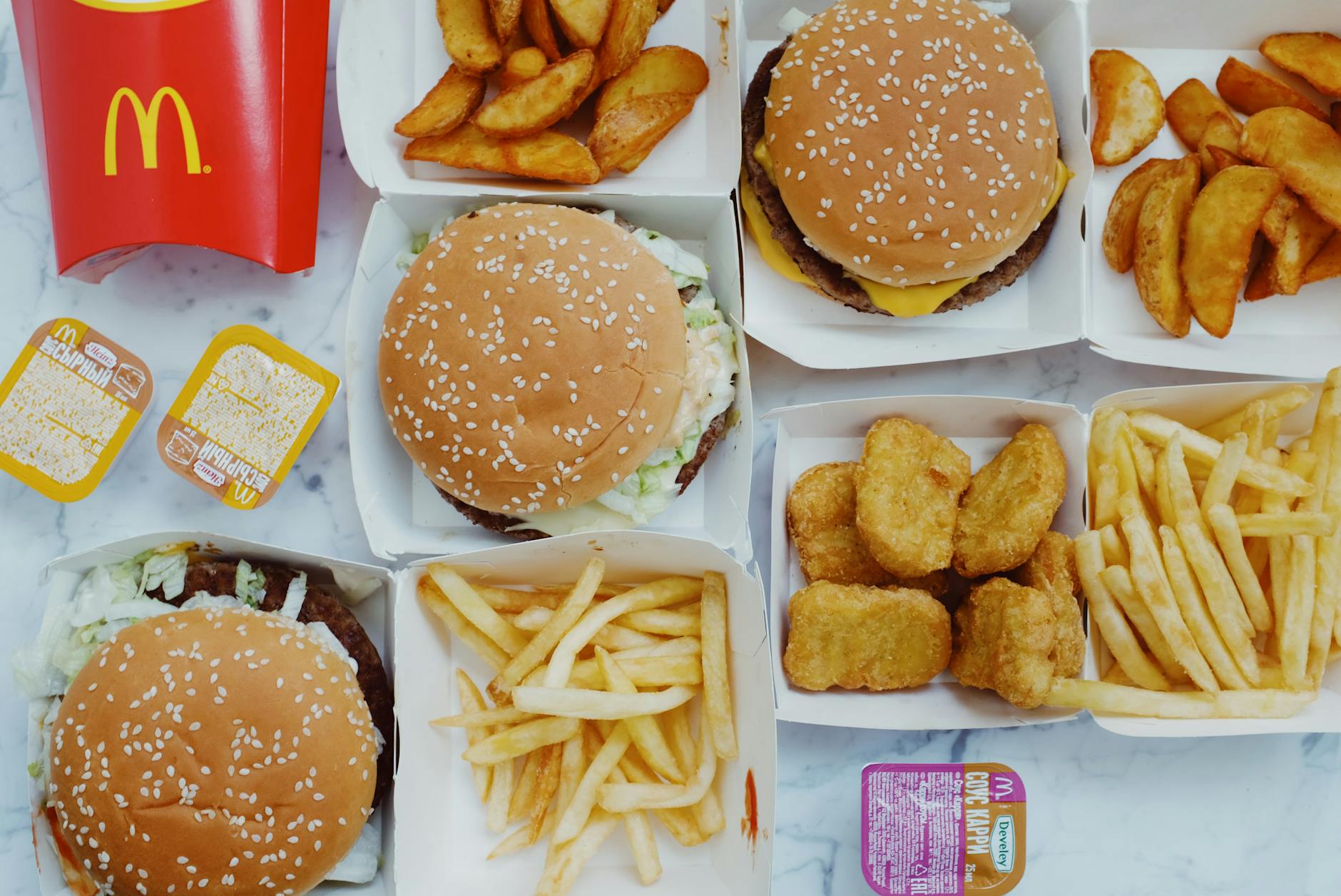
Industry reporting from Nation's Restaurant News indicates that quick service operators are leading this defensive push with bundled meals and sharp price cuts. McDonald's recently extended its highly publicized five dollar value meal promotion, while competitors like Wendy's, Burger King, and Taco Bell have launched similar low cost combo options. Casual dining chains are also joining the fray, introducing aggressive lunch specials and subsidized promotional items to capture traffic from price sensitive diners.
The surge in promotional activity stems directly from softening foot traffic across the entire restaurant industry. For several years, operators relied on menu price increases to offset elevated labor costs, rising ingredient prices, and general supply chain inflation. While this strategy initially protected operator margins and boosted average check sizes, it eventually crossed a threshold that deterred lower income and middle income guests from dining out regularly.
Consumer spending metrics show that middle and low income households have significantly reduced their frequency of restaurant visits over the past year. Many consumers have substituted quick service meals with grocery store purchases or lower cost home cooking options. To win back these lost customer visits, major brands are turning to promotional pricing as a temporary lever to rebuild store foot traffic, even if it comes at the expense of short term profit margins.
AGGRESSIVE MEAL BUNDLES TAKING CENTER STAGE
Rather than permanently lowering core menu prices, restaurant brands are heavily relying on limited time bundled meals and digital app exclusives. Bundling allows operators to highlight an attractive lead price point, such as four, five, or six dollars, while controlling food costs through specific item combinations. These bundles typically feature a core entree, a side item, a drink, and occasionally a small dessert or secondary side.
By structuring deals around strict item combinations, chains can protect their overall average check size while satisfying the consumer desire for clear value. Furthermore, operators are leveraging these promotional bundles to drive downloads and usage of their proprietary mobile applications. Digital app deals allow brands to target discounts directly to price sensitive users while collecting valuable customer data for personalized marketing.
The value war is no longer restricted to quick service drive-thrus, as full service casual dining operators fight for the same dining dollars. Brands like Chili's, Applebee's, and IHOP have introduced aggressive promotional menus designed to compete directly with fast food price points. For instance, Chili's has expanded its three for me value platform, offering a drink, appetizer, and entree starting at prices that rival upscale quick service meals.
Casual dining executives argue that the narrowing price gap between fast food and full service dining creates a unique growth opportunity. By offering table service, refills, and larger portion sizes at a price point comparable to a premium fast food meal, full service brands hope to steal market share from quick service competitors. This cross segment competition is forcing operators across all service models to refine their promotional calendars.
While deep discounts are popular with consumers, they create financial friction between corporate brand owners and independent franchisees. Corporate franchisors generally profit from a percentage of gross sales revenues, making high store traffic and higher transaction volumes their primary operational goal. Franchisees, however, bear the direct costs of food, labor, and store operations, meaning low margin promotional items can severely compress store level profit margins.
Industry analysts note that maintaining franchisee profitability will be a delicate balancing act for corporate leadership throughout this discounting cycle. To mitigate margin erosion, franchisors are working closely with supply chain partners to secure bulk pricing discounts on promotional ingredients. Some brands are also offering financial incentives or royalty relief to franchisees who participate in mandatory national value platforms.
Digital technology is playing a pivotal role in how current promotional offers are structured and deployed. By shifting top tier discounts to loyalty apps, restaurant operators can avoid broad margin erosion across their entire customer base. Casual visitors who walk up to the counter or drive-thru window often pay full price, while dedicated app users receive targeted savings.
This two tiered pricing strategy enables chains to reward highly engaged customers while gathering detailed analytics on dining habits and purchase frequency. Loyalty programs also allow brands to send real time push notifications offering localized deals during slow dayparts, helping individual units smooth out daily operational flow.
For everyday diners, the current industry price war offers immediate relief for stretch food budgets. Consumers who take advantage of mobile loyalty apps and bundled meal promotions can secure significant savings compared to ordering items à la carte. However, these promotional prices are largely temporary measures designed to shift traffic, meaning menu strategies may evolve quickly as broader macroeconomic conditions change. Smart consumers should track digital app offerings and compare casual dining lunch specials against traditional fast food prices to maximize their dining dollars.
Sources and methodology
Reported from the public datasets below.
More from the Foodie Pundit Newsroom
- Next Era Culinary Trends Arrive Early as Brands Accelerate Innovation Cycles
- The Rise of the Ice Cream Croissant Reveals a New Strategy for Summer Restaurant Profits
- UK Food Inflation Cools as Supermarkets Battle for Shopper Loyalty
- The Culinary Economics Behind the Ice Cream Croissant Craze
- Grazing Plates Move From Social Media Trend to Legitimate Gut Health Strategy