Fish Farm Fallout: The Massive Legal Battle Threatening Your Favorite Seafood Menu Items
The Clean Water Act battle over Columbia River trout farms hits a procedural snag as Pacific Seafood tries to pull a sovereign Tribe into the legal crosshairs.
By Foodie Pundit Newsroom - Published - Updated - Section: Agriculture Supply
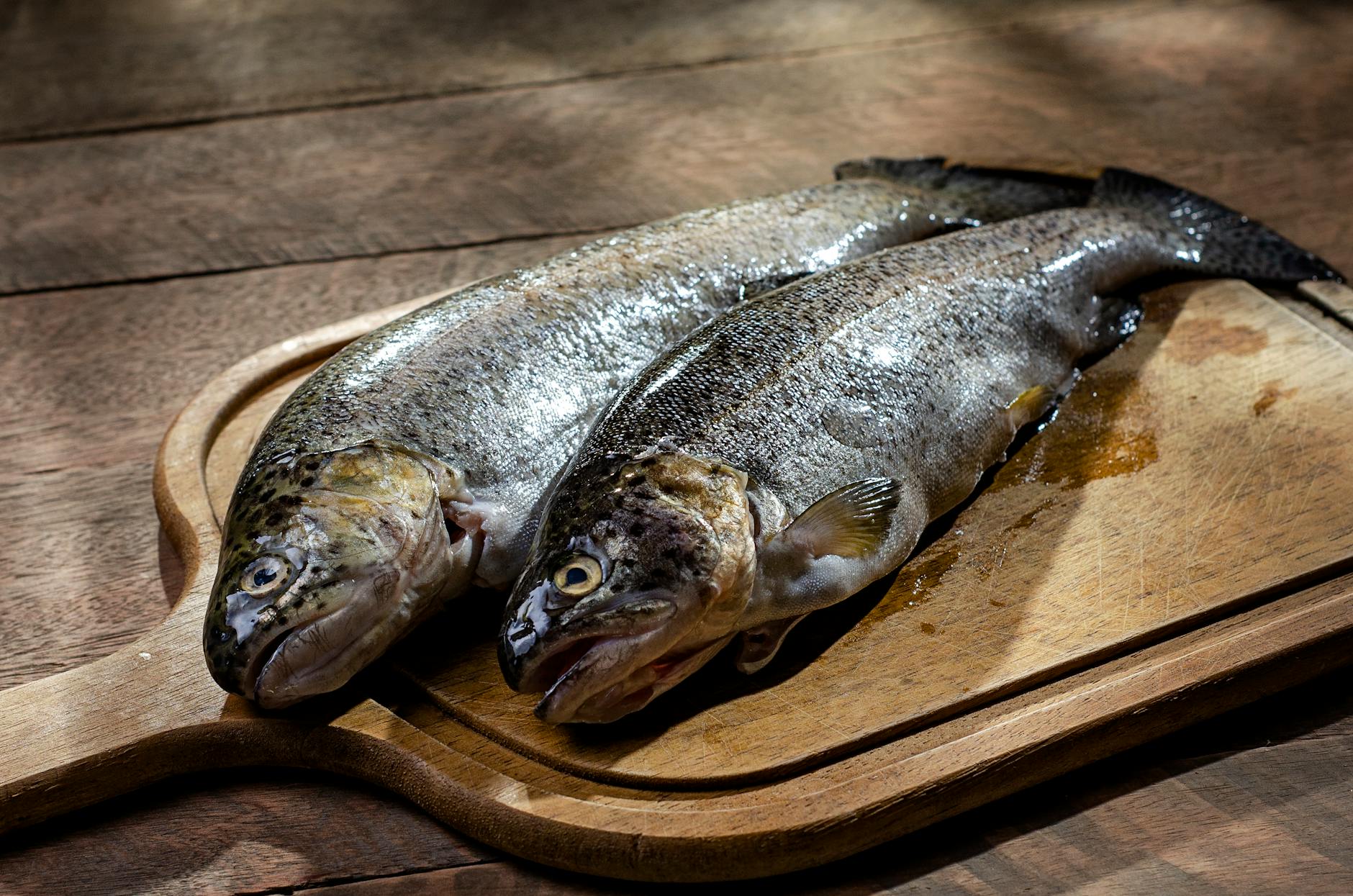
Key points
- Pacific Seafood is fighting a Clean Water Act lawsuit by claiming the Colville Tribes must be part of the case.
- Environmental groups allege industrial trout farms are polluting the Columbia River with massive amounts of fish waste.
- The outcome could force a shift toward expensive land-based fish farming, driving up prices for independent restaurants.
If you have ever ordered a steelhead trout almondine at a trendy bistro or picked up a fresh fillet from a high-end grocer, you have likely interacted with the massive supply chain of Pacific Seafood. One of the biggest players in the North American protein game is currently locked in a high-stakes legal battle over how it manages its fish farms in Washington state. The core of the dispute involves the Clean Water Act, three massive trout farms on the Columbia River, and a very complex argument about who actually needs to be in the courtroom.
The plaintiffs, the Center for Food Safety and the Wild Fish Conservancy, are taking Pacific Seafood to task. They allege that these industrial fish farms are messing with the delicate ecosystem of the Columbia River. But the latest twist isn't just about water quality.
It is a procedural chess move. Pacific Seafood recently argued that the lawsuit cannot move forward unless the Confederated Tribes of the Colville Reservation are officially joined as a party to the suit.
Why does this matter? In the legal world, if a party is deemed "indispensable" but cannot be joined (often due to sovereign immunity), a case can sometimes be tossed out entirely. The environmental groups are calling foul, urging a Washington federal judge to reject this argument and keep the focus on the environmental impact of industrial aquaculture. For the food industry, this is a massive signal that the era of "business as usual" in open-water farming is facing a major reckoning. Who Is On The Hook
The primary defendant here is Pacific Seafood. To put their scale into perspective, they are a vertically integrated powerhouse. They own the boats, the processing plants, the distribution networks, and the farms.
When a company of this size faces a Clean Water Act challenge, it sends shockwaves through the entire seafood supply chain. If their operations are forced to change, the price of trout on your menu is going to move.
On the other side, we have the Center for Food Safety and the Wild Fish Conservancy. These are not just casual hobbyist groups. They are the heavy hitters of environmental litigation in the food space. They focus on the intersection of industrial food production and ecological health. Their goal is to prove that large-scale fish farming in public waterways is inherently damaging unless strictly regulated.
The "missing" party in the middle is the Confederated Tribes of the Colville Reservation. Pacific Seafood claims the Tribe has interests in these waters and operations that make them necessary for the case. The environmental groups argue that the Tribe's involvement is a distraction tactic intended to stall or kill the litigation. This creates a fascinating tension between corporate interests, environmental protection, and tribal sovereignty. The Allegations Unpacked
The heart of the Clean Water Act (CWA) suit is about what happens beneath the surface of those floating fish pens. Industrial trout farms are essentially underwater feedlots. Thousands of fish are concentrated in a small area, which leads to a massive accumulation of fish waste, unconsumed feed, and potentially the spread of sea lice or diseases to wild fish populations.
The plaintiffs allege that Pacific Seafood's operations are discharging pollutants into the Columbia River without meeting the stringent standards required by the CWA. They are looking at the "nitrogen footprint" of these farms. Too much nitrogen from fish waste can lead to algae blooms, which suck the oxygen out of the water and create "dead zones" where wild salmon and trout cannot survive.
Pacific Seafood's defense has pivoted to a procedural hurdle. By claiming the Colville Tribes must be involved, they are highlighting the complex web of permits and agreements that allow these farms to exist. They argue that because the farms operate in waters where the Tribe has significant treaty rights and management roles, any ruling on the environmental permits would directly impact the Tribe's sovereign interests. The environmental groups, however, contend that the suit is about the company's compliance with federal law, which does not require hauling a sovereign nation into court. Financial Fallout
While we do not have a specific settlement number yet, the financial stakes are astronomical. If the court finds Pacific Seafood in violation of the Clean Water Act, the penalties can reach tens of thousands of dollars per day, per violation. Spread across three farms over several years, that is a number that can make even a multi-billion dollar company sweat.
But the real "financial fallout" isn't just the fines. It is the cost of remediation and infrastructure. If Pacific Seafood is forced to move to "closed-containment" systems (basically giant tanks on land instead of nets in the river), the capital expenditure would be in the hundreds of millions.
Furthermore, a loss here could trigger a "litigation contagion." If these three farms are found to be illegal polluters, every other open-water fish farm in the United States suddenly becomes a target. Investors in the aquaculture space are watching this case like hawks because it could fundamentally change the ROI of the entire sector. If the "free" use of public water for waste disposal is taken off the table, the price of farmed seafood will skyrocket. Big Tobacco Parallels
There is a growing trend in food law that mirrors the path of Big Tobacco in the 90s. For decades, industrial food producers operated with a degree of "externalized costs." This means they got the profits, while the public (and the environment) paid the price for the cleanup.
Just as tobacco companies were eventually held liable for the public health costs of their products, we are seeing the "Big Food" version of this play out in the water. This lawsuit represents a shift toward True Cost Accounting. The legal system is starting to insist that if you want to farm in a river, you have to ensure that river remains as clean as you found it.
The move by Pacific Seafood to bring the Tribe into the case is also a classic "delay and distract" legal maneuver often seen in high-stakes corporate litigation. By complicating the party list, they create years of "pre-trial" motions that keep the actual evidence of pollution away from a jury. It is a sophisticated game of legal keep-away that has been used by every major industry facing regulation since the dawn of the EPA. What This Means For Independent Restaurants
If you are a chef or an owner of a local seafood spot, this case is your "crystal ball" for menu pricing in 2027 and beyond.
First, there is the supply chain volatility. Pacific Seafood is a major wholesaler. If their Washington operations are throttled by a court order, the available supply of steelhead and rainbow trout will drop. For a small restaurant, this means higher food costs and the need to find alternative suppliers who might already be at capacity.
Second, there is the "Sustainability Story." Modern diners, especially Gen Z and Millennials, are hyper-aware of where their food comes from. If a major supplier is branded as a "Clean Water Act violator," featuring their product on your menu becomes a PR liability.
Independent restaurants often pride themselves on "ethical sourcing." This lawsuit makes it much harder to claim that open-water farmed fish is a "green" choice.
Third, this case might push more independent operators toward land-based aquaculture or "Recirculating Aquaculture Systems" (RAS). While more expensive, these land-based farms are largely immune to Clean Water Act lawsuits because they do not discharge into public rivers. We are likely to see a "bifurcation" of the market: cheap, legally-embattled river fish versus premium, land-raised fish. What Happens Next
The immediate next step is for the Washington federal judge to rule on the "joinder" motion. If the judge agrees with Pacific Seafood t
Sources and methodology
Reported from the public datasets below.
More from the Foodie Pundit Newsroom
- Bayer Curbs Seed Loyalty Program Following DOJ Antitrust Inquiry Tea
- Non-Alcoholic Spirits Reshape Hospitality Margins As Consumer Demand Soars
- Irish Shoppers Face Renewed Grocery Inflation as Economic Forecast Warns of Higher Retail Food Bills
- The Genetic Blueprint of Your Dinner Plate
- What Is This Stuff in My Cottage Cheese?