Flavor Takes Center Stage As Fine Dining Ditches Dramatic Plating
Michelin-starred kitchens are prioritizing deep taste over intricate visual presentation to build resilient restaurant models.
By Foodie Pundit Newsroom - Published - Updated - Section: Luxury Dining
Key points
- High-end chefs are moving away from complex visual garnishes to focus on concentrated flavor profiles and classical cooking techniques.
- Streamlining dish assembly reduces kitchen labor requirements and speeds up service times, improving operational efficiency.
- Prioritizing sauces and full ingredient utilization cuts down on food waste, helping restaurants maintain margins despite inflation.
- Consumer demand is shifting toward memorable taste experiences rather than photo-friendly dishes designed for social media.
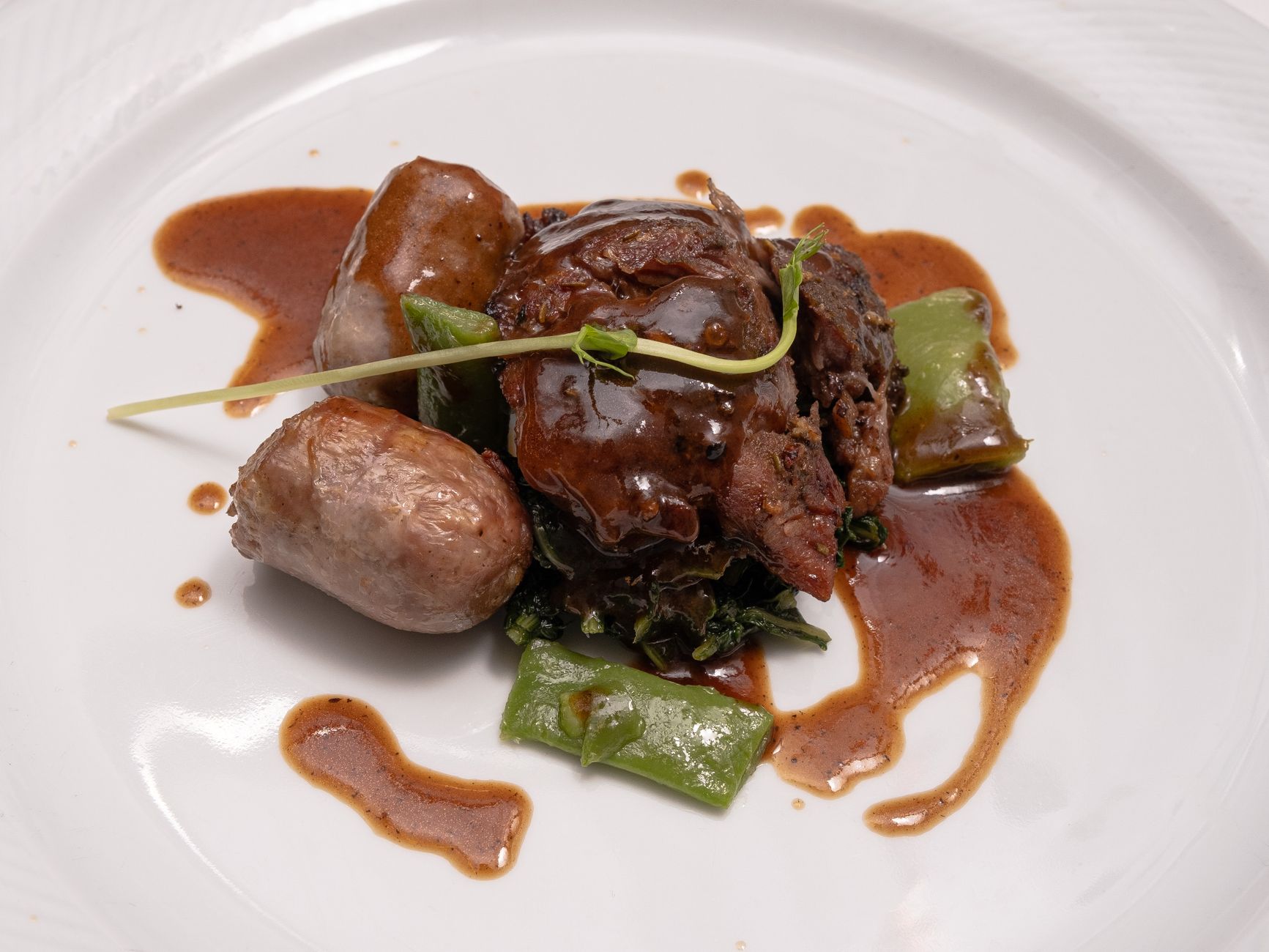
The fine dining landscape has undergone a dramatic transformation over the past decade, shifting away from over-engineered presentation toward pure, unadulterated taste. Modern diners are increasingly skeptical of intricate, highly manipulated dishes that look impressive on social media but fail to deliver memorable taste experiences. Chef Alex Dilling, who commands two Michelin stars at his flagship London restaurant, stands at the forefront of this culinary movement by placing flavor above visual spectacle.
This movement represents a crucial pivot point for high-end hospitality operators who are grappling with unprecedented inflationary pressures and evolving consumer expectations. The reporting from the Evening Standard highlights how top-tier culinary figures are streamlining their approach, proving that long-term success relies on fundamental taste rather than theatrical garnish. As the industry faces rising labor costs and volatile ingredient prices, the focus on concentrated flavor profiles is becoming both an artistic statement and a sound economic strategy.
For years, high-end gastronomy was dominated by complex molecular techniques and elaborate plating styles designed primarily for visual impact. Kitchens spent countless hours assembling micro-herbs, delicate gel droplets, and architectural tuiles that added little to the actual tasting experience. Dilling argues that this approach often distracts from the core mission of hospitality, which is to feed people exceptionally delicious food. By stripping away extraneous elements, chefs can concentrate their resources on perfecting sauces, stocks, and foundational cooking techniques.
This return to basics requires an relentless focus on raw material quality and precision execution. Achieving depth of flavor without relying on modern tricks demands a deep understanding of classical French culinary foundations and precise thermal management. Restricting a dish to three or four harmonious components leaves no room for error, as every element must be executed flawlessly. Diners are responding positively to this clarity, reporting higher satisfaction rates when the primary ingredients are allowed to shine without unnecessary interference.
The pivot toward flavor-first cooking carries substantial financial benefits for restaurant operators navigating a difficult economic environment. Elaborate plating requires excessive kitchen staff hours dedicated solely to tedious assembly tasks, driving up labor costs at a time when wage pressures are at an all-time high. By reducing the time required to plate individual dishes, kitchens can operate with leaner teams and improve overall service efficiency. This operational streamlined approach directly improves profit margins without compromising the quality of the guest experience.
Food waste is another major factor driving this operational shift. Intricate garnishes and highly specific visual trims often result in usable food scraps being discarded simply because they do not fit aesthetic standards. Focusing on rich sauces, broths, and holistic ingredient utilization allows kitchens to maximize yield from expensive proteins and produce. Lowering food costs while maintaining high menu prices is essential for the financial survival of Michelin-caliber establishments in major metropolitan markets.
The modern luxury diner has become far more sophisticated and discerning than previous generations. Guests who frequent top-tier restaurants are no longer impressed by smoke, mirrors, or decorative elements that do not contribute directly to taste. Industry data indicates that repeat visitation is driven almost entirely by how satisfying a meal is, rather than how novel the presentation appears on initial arrival. Diners want comforting, intense, and memorable tastes that justify the premium price point of fine dining.
Furthermore, the rise of digital fatigue has led many restaurant patrons to seek authentic, sensory-rich experiences that transcend screen-friendly aesthetics. While visual appeal remains an important aspect of food service, it can no longer serve as a substitute for depth of flavor. Restaurants that prioritize substance over style are building stronger brand loyalty and securing consistent bookings, even as broader consumer discretionary spending faces tightening pressures across global markets.
As more high-profile chefs adopt this philosophy, the structure of tasting menus across the industry is evolving. Long, exhausting multi-course meals featuring dozens of tiny, decorative bites are giving way to concise, impactful menus that highlight peak seasonal produce and masterfully crafted stocks. This shift allows kitchens to source higher-grade primary ingredients, spending their budgets on premium seafood, well-aged meats, and rare agricultural products rather than decorative specialty items.
The broader implications for the restaurant business are clear. Operational efficiency, waste reduction, and uncompromising quality control are the pillars that will sustain fine dining through economic turbulence. Chefs who master the art of deep flavor extraction while maintaining operational discipline will continue to thrive, setting the standard for the next generation of culinary entrepreneurs and hospitality leaders.
For everyday diners and food enthusiasts, this industry shift promises a far more satisfying restaurant experience. You can expect fine dining establishments to offer dishes that prioritize deep, rich, and memorable flavors over overly complex presentations that look better than they taste. This means your financial investment in a high-end meal is more likely to yield genuine culinary enjoyment rather than performative tableside theatre.
If you are a restaurant owner or operator, focusing on core flavor delivery offers a clear blueprint for improving your bottom line. Streamlining your plating processes can help reduce labor overhead and minimize kitchen stress during peak service hours. Emphasizing stocks, reductions, and full-ingredient utilization will help control food costs while simultaneously elevating the quality of your menu, creating a resilient business model capable of weathering broader economic challenges.
Sources and methodology
Reported from the public datasets below.
More from the Foodie Pundit Newsroom
- Kroger and Albertsons Face Fierce FTC Pushback as Mega-Merger Battle Escalates
- The Antitrust Battle Over the Kroger and Albertsons Megamerger Explained
- Federal Court Battle Escalates as Regulators Fight Kroger and Albertsons Mega-Merger
- Inside the Quiet Rise of Whole Foods Private Label and Prepared Meal Empire
- Taco Bell Launches Cantina Chicken Menu to Boost Premium Fast Food Sales