Flavor Takes Center Stage As High End Kitchens Pivot From Visual Spectacle
Renowned chef Alex Dilling champions flavor-first culinary philosophy over elaborate presentation in modern fine dining.
By Foodie Pundit Newsroom - Published - Section: Luxury Dining
Key points
- Luxury kitchens are prioritizing flavor concentration over labor intensive visual plating.
- Streamlining presentation allows operators to optimize labor costs and reduce kitchen food waste.
- Consumer demand is shifting toward classical culinary techniques and consistent taste memory.
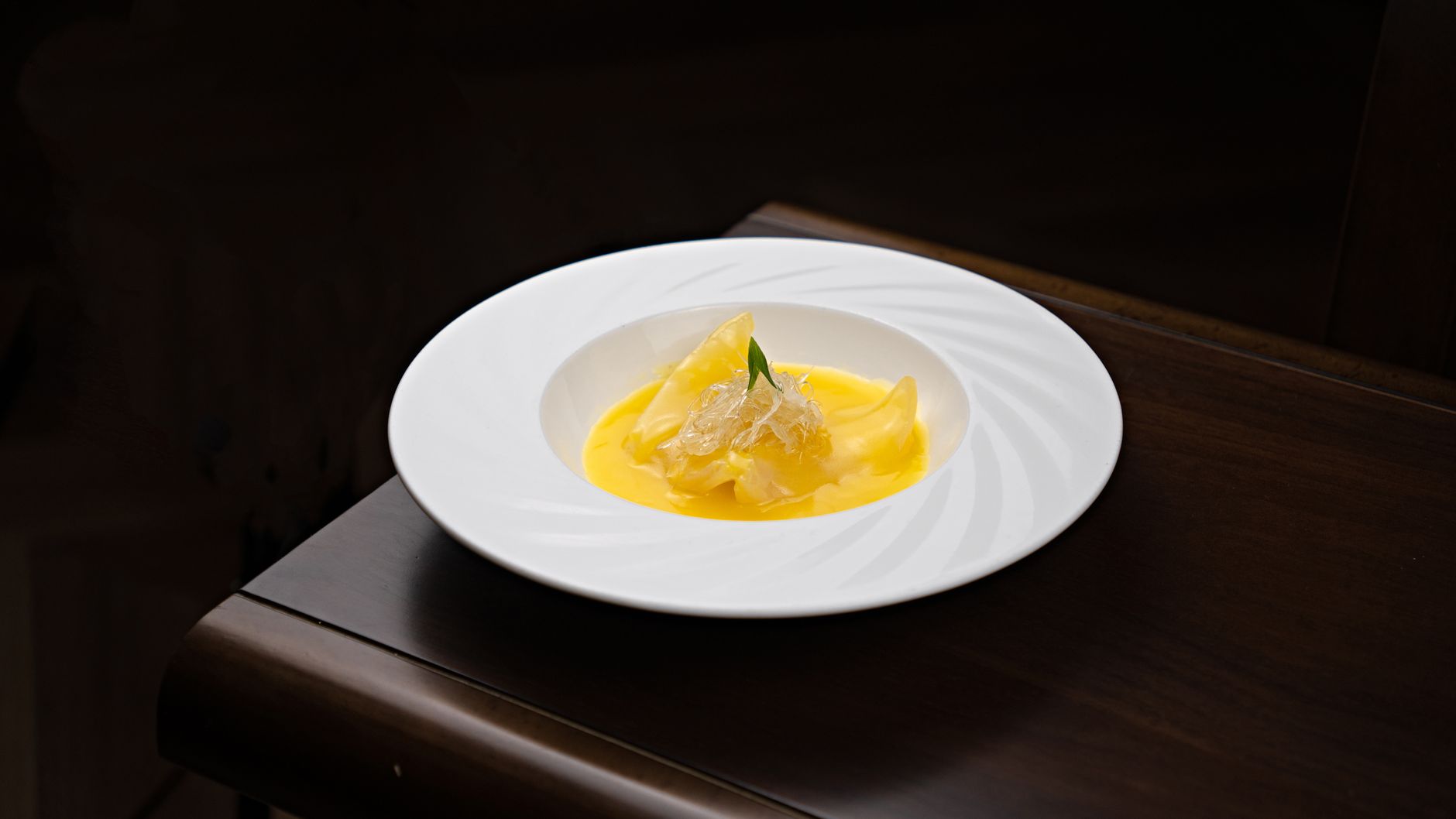
The modern fine dining ecosystem has long wrestled with an internal conflict between visual spectacle and culinary substance. Modernist techniques, intricate plating, and social media aesthetic appeal have frequently taken center stage in top tier kitchens across global gastronomic capitals. However, high profile operators are increasingly signaling a structural pivot back to foundational culinary principles, placing ultimate emphasis on flavor profile development over elaborate presentation.
Recent coverage by the Evening Standard highlights this operational shift through the lens of acclaimed culinary leader Alex Dilling. The chef, renowned for his rigorous classical French technique, argues that the hyper competitive luxury dining market demands a relentless focus on taste above all visual theatrics. Dilling contends that while stunning aesthetic presentations can drive initial consumer curiosity, long term business sustainability relies entirely on delivering memorable, deeply satisfying flavor combinations.
This philosophy comes at a crucial juncture for the restaurant industry, where rising operational overhead and shifting consumer spending patterns are forcing chefs to reevaluate their kitchen priorities. Elaborate, highly detailed plating often requires significant labor overhead, specialized equipment, and extended preparation times per cover. By streamlining visual components and prioritizing ingredient quality and reduction techniques, fine dining establishments can optimize labor efficiency while simultaneously elevating the core dining experience.
THE SHIFT FROM VISUAL THEATRICS TO FLAVOR EFFICIENCY
For years, the rise of visual social media platforms drove a trend toward complex, multi layered dish designs that prioritized photo readiness. Kitchens invested heavily in bespoke ceramics, intricate garnishes, and labor intensive assembly lines designed primarily for visual impact. While this approach effectively generated promotional buzz, it frequently introduced operational friction, increased food waste, and occasionally compromised the temperature and integrity of the final product served to guests.
Industry analysts note that top tier chefs are now steering their culinary development teams toward flavor concentration and textural harmony. Classical techniques such as long simmered stocks, precise emulsification, and targeted aging processes are seeing a major resurgence in contemporary kitchens. By focusing labor costs on labor intensive sauce making and precise protein preparation rather than delicate pinset garnishes, restaurant operators can build a stronger, more consistent product offer.
Dilling emphasizes that a truly exceptional dish must balance primary, secondary, and tertiary flavor notes without relying on decorative distractions. In high end dining rooms, guests are increasingly seeking comfort, depth, and clarity in their meals rather than purely theatrical dining mechanics. This return to core flavor integrity allows kitchens to deliver consistent luxury experiences even amidst ongoing broader supply chain and labor challenges.
FINANCIAL DYNAMICS OF HIGH END KITCHEN MANAGEMENT
Focusing on flavor development rather than elaborate garnishes carries significant financial implications for luxury restaurant operations. Highly complex visual presentations often require higher staff to guest ratios, increasing baseline labor costs in an environment where hospitality wages are rising steadily. Streamlining plate presentation allows front of house and back of house teams to maintain faster ticket times, improving table turnover rates without sacrificing the premium nature of the offering.
Furthermore, ingredient sourcing strategies are shifting to reflect this taste first ethos. Rather than allocating budget to rare, purely decorative botanicals or non functional garnish elements, purchasing managers are redirecting capital toward higher grade primary proteins, superior dairy products, and peak season produce. This strategic reallocation ensures that every line item on the master food cost ledger directly contributes to the sensory quality of the final dish.
The operational reality of running a premier dining destination requires precise cost control across all menu items. When a kitchen focuses on deep flavor profiles achieved through classic reduction and fermentation techniques, it often maximizes the yield of primary raw ingredients. Utilizing trimmings for rich jus, broths, and compound butters reduces overall kitchen food waste, improving gross profit margins while enhancing the overall depth of the menu.
CONSUMER EXPECTATIONS AND REPEAT PATRONAGE
The commercial viability of fine dining restaurants relies heavily on repeat patronage and strong corporate account spending. While overly dramatic plating techniques may generate one time visits driven by novelty, high net worth diners typically return to establishments that consistently deliver outstanding taste. Flavor memory remains the strongest driver of customer retention in the luxury hospitality segment.
As economic pressures encourage consumers to be more selective with their discretionary dining budgets, value perception has shifted. Diners want to feel that their expenditure translates into genuine culinary craft and superior taste rather than superficial design. Restaurants that successfully execute high impact, flavor forward menus are better positioned to maintain strong occupancy rates and defend premium menu pricing during broader macroeconomic slowdowns.
The broader marketplace reflects this evolution as classic French and traditional European techniques regain market share from hyper conceptual dining concepts. Operators who balance classical rigor with modern efficiency demonstrate that uncompromising quality is the ultimate marketing tool. As competition intensifies across major metropolitan markets, the industry consensus is clear, sustained success belongs to kitchens where flavor remains the absolute priority.
For the average consumer, this industry wide refocusing on flavor over presentation means higher quality dining experiences across all price points. Diners can expect menu items that prioritize intense taste, optimal serving temperatures, and classic culinary craftsmanship over purely decorative elements that add little to the actual meal.
From a value perspective, your dining dollars are increasingly being spent on top tier raw ingredients, rich stocks, and expertly crafted sauces rather than the labor required to assemble complex visual garnishes. As fine dining standards filter down to casual and mid scale restaurants, consumers will benefit from more thoughtful, taste driven menus that focus on doing the simple things exceptionally well.
Sources and methodology
Reported from the public datasets below.
More from the Foodie Pundit Newsroom
- Fast Casual Dining Outpaces Competitors as Consumers Seek Value and Convenience
- Regional Dining Chain Shuts 28 Locations Amid Widespread Industry Consolidation
- McDonald's Overhauls Kitchen Operations to Upgrade Iconic Big Mac Across US Locations
- Taco Bell Targets Premium Segment With Cantina Chicken Menu Launch
- Federal Antitrust Battle Over Kroger and Albertsons Merger Reaches Critical Turning Point