Food Inflation Cools As Agricultural Supply Chains Stabilize Nationwide
Grocery inflation is finally entering a cooling phase as stable supply chains and improved harvests provide consumers with a much-needed break at the checkout c
By Foodie Pundit Newsroom - Published - Updated - Section: Chain Watch
Key points
- Food inflation is leveling off due to improved harvests and stable fuel costs.
- Fresh produce, poultry, and cooking oils are leading the retail price moderation.
- Global climate anomalies and energy market shifts remain long-term risks.
- Consumer budgets gain predictability as rapid week-over-week price hikes pause.
Shoppers navigating the aisles of major urban markets are beginning to notice a subtle shift at the checkout counter. While overall price levels remain elevated compared to historical averages, the rapid rate of monthly price increases has started to plateau. Industry analysts confirm that the intense food inflation experienced over the past two years is finally entering a cooling phase.
The Department of Agriculture (Philippines) recently reported that key agricultural commodities have stabilized in recent weeks. Local market monitors indicate that staple foods, including grain, domestic vegetables, and basic proteins, are no longer experiencing the abrupt week-over-week price spikes that defined earlier quarters. This stabilization offers household budgets a critical period of predictability after months of relentless cost expansion.
The moderation in food prices stems from a combination of improved local agricultural yields, better weather conditions, and declining global freight costs. Farmgate prices for key crops have settled into more predictable ranges as seasonal harvests hit retail markets on schedule. Transporters and logistics providers are also passing along savings derived from lower global fuel benchmarks over the preceding month.
Import channels have similarly seen reduced friction as international supply chains continue their post-pandemic normalization. Major shipping routes are operating with fewer backlogs, which reduces the landed cost of imported agricultural inputs such as fertilizers and animal feed. When input costs decline at the farm level, the downstream retail pricing naturally absorbs less inflationary pressure.
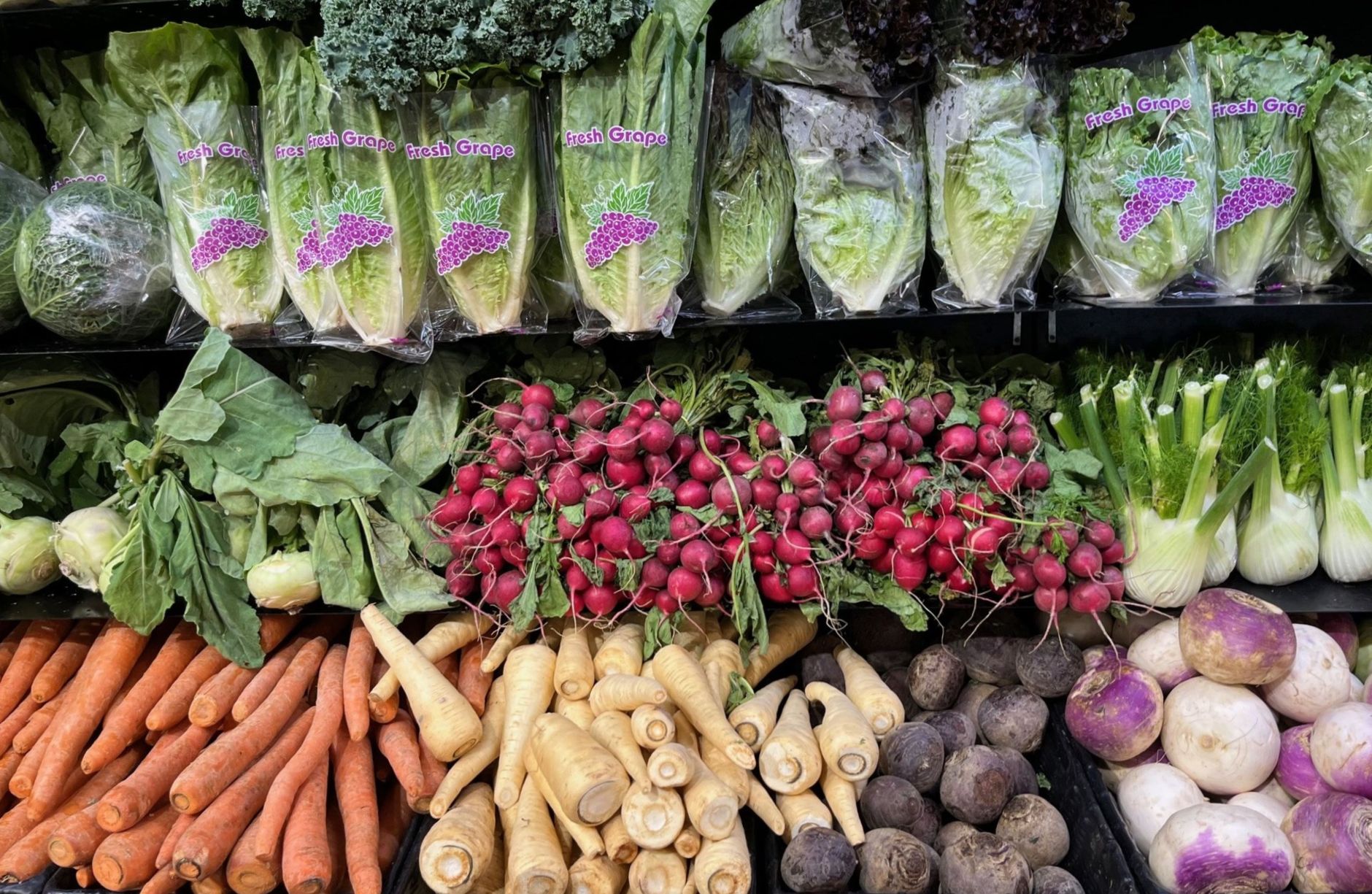
Fresh produce and poultry have shown some of the most significant price adjustments across retail centers. Leafy green vegetables, root crops, and tomatoes have returned to seasonal price norms following a period of minimal weather disruptions. Poultry producers have managed to rebuild flock inventories, leading to a steady supply of fresh eggs and chicken meat across wet markets and supermarkets.
Cooking oil and milled grains are also exhibiting flat or slightly downward price trajectories. Edible oil prices on international exchanges have retreated from their historical highs, which translates directly to lower shelf prices for household consumers. Rice and corn prices remain closely monitored, but current buffer stocks have helped insulate consumers from sudden domestic price shocks.
Despite the current period of relative stability, economic forecasters warn that food inflation is far from permanently resolved. Global climate anomalies, including seasonal drought patterns and unseasonal heatwaves, remain a persistent threat to global and domestic harvest yields. Any sudden interruption in regional agricultural production could quickly reignite upward price pressure on sensitive food items.
Energy markets also present a ongoing variable for the agricultural sector. Should crude oil prices experience a sudden upward spike due to geopolitical friction, transport and processing costs would rise accordingly. Agricultural economists emphasize that while the current vibe in grocery aisles is undoubtedly calmer, retail food supply chains remain vulnerable to external economic shocks.
RETAILER STRATEGIES AND CONSUMER BEHAVIOR
Supermarkets and local vendors are responding to the price plateau by adjusting their inventory management and promotional strategies. During the peak of food inflation, retailers frequently reduced pack sizes or trimmed product lines to keep nominal prices attractive to price-sensitive buyers. Now, with input costs stabilizing, vendors are reintroducing larger bulk formats and targeted discounts to clear volume.
Consumer behavior is also adapting to the changing pricing environment. During periods of hyper-inflation, shoppers tended to trade down to lower-grade alternatives or delay non-essential purchases entirely. As price volatility settles, purchasing patterns are normalizing, with households showing renewed interest in premium fresh foods and branded staple products that were previously sidelined.
CENTRAL BANK POLICY AND MACROECONOMIC IMPACTS
The cooling of food prices carries broader implications for national monetary policy and overall macroeconomic health. Food items make up a substantial portion of the consumer price index basket in developing and emerging markets. When food inflation decelerates, topline inflation figures drop dramatically, providing monetary authorities with greater flexibility regarding interest rate decisions.
A sustained moderation in food costs helps anchor inflation expectations among urban consumers and business operators. When households spend less of their disposable income on basic nourishment, consumer confidence generally improves, supporting wider economic growth across non-essential retail services and leisure sectors. Policy makers continue to monitor agriculture closely to ensure these gains remain structural rather than temporary.
For the average household, a cooling inflation rate does not mean that food prices will return to pre-pandemic levels, but rather that future price tags are unlikely to rise drastically from week to week. Families can plan their monthly food budgets with greater confidence, knowing that baseline staples like produce, oil, and poultry have achieved a temporary equilibrium.
To maximize household savings during this plateau phase, consumers should monitor seasonal supply reports and take advantage of bulk purchasing opportunities on non-perishable goods. Comparing prices between traditional wet markets and large supermarket chains can also yield savings, as different retail channels adjust their prices to farmgate realities at varying speeds. Keeping a close eye on weekly food news remains the best strategy for staying ahead of potential price shifts.
Sources and methodology
Reported from the public datasets below.
More from the Foodie Pundit Newsroom
- Spring Harvest Arrival Signals Economic Shift for Local Produce Markets
- UK Grocery Prices Set to Plateau as Supermarket Price War Intensifies
- Generation Z Overhauls Restaurant Menus with Bold Flavors and Unconventional Dining Hours
- Ay Que Rico Brings Cuban-American Flavor Expansion to Lakeland
- How Viral Social Media Snacks Are Reshaping Commercial Menu Economics