Fuel Station Sites Become Prime Targets for Quick-Service Restaurant Expansion
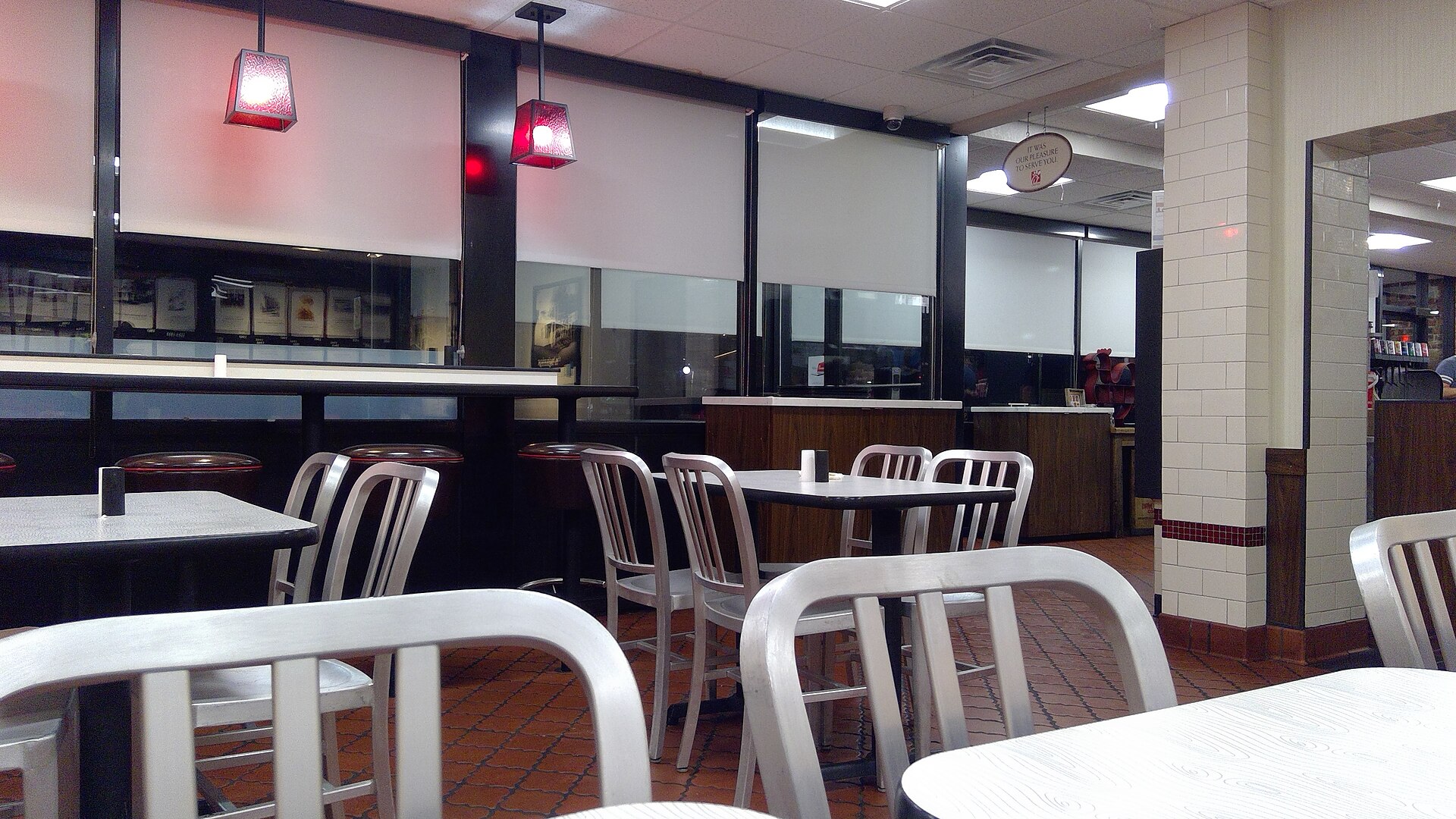
A legacy fuel station makes way for a modern Chick-fil-A drive-thru, highlighting the shift toward high-volume food service real estate.
By Foodie Pundit Newsroom - Published - Updated - Section: Restaurants
Key points
- Legacy gas stations offer prime high-traffic corner locations ideal for modern fast-food drive-thrus.
- Environmental remediation and zoning approvals present hurdles that national chains are well-capitalized to overcome.
- Chick-fil-A continues to prioritize site layouts capable of managing high-density drive-thru queue volumes.
A former gas station site is officially set to transition into a new Chick-fil-A location, highlighting a major trend in quick-service restaurant real estate. The shift reflects a growing demand for high-visibility drive-thru locations across regional corridors. According to reporting by the Times Union, legacy petroleum properties are increasingly being acquired by fast-food operators looking to expand their suburban footprints.
Automotive service properties often possess the exact structural attributes that modern fast-food chains prize most. These parcels sit at high-traffic intersections, feature established curb cuts, and offer existing utility connections capable of handling heavy commercial loads. Transforming a gas station into a restaurant requires extensive site remediation, yet the long-term traffic potential makes the investment highly attractive to developers.
For brands like Chick-fil-A, drive-thru throughput is the central operational metric driving site selection. By acquiring well-positioned fuel stations, quick-service operators can construct multi-lane ordering systems designed to move hundreds of vehicles per hour. The transition from pump to drive-thru underscores how consumer retail habits are reconfiguring suburban commercial corridors.
Commercial real estate analysts note that corner lots formerly dedicated to petroleum retail are among the most valuable assets in suburban development. These locations were originally designed to capture passive vehicular traffic, a strategy that aligns perfectly with modern fast-food dining models. As gas stations consolidate or relocate to larger highway travel plazas, their legacy footprints create prime opportunities for restaurant chains.
The financial calculus behind these redevelopments involves significant upfront risk and capital expenditure. Developers must clear environmental hurdles related to underground storage tanks and soil contamination before breaking ground. Despite these challenges, national fast-food brands are often the only tenants capable of absorbing the high acquisition and remediation costs associated with these prime corners.
In recent years, Chick-fil-A has intensified its efforts to secure high-volume suburban sites to support its expanding mobile ordering and drive-thru infrastructure. The chain relies heavily on custom site layouts that can accommodate massive queue capacity without causing traffic spillover onto public roadways. Replacing an aging gas station with a purpose-built quick-service layout solves localized congestion issues while maximizing site profitability.
The quick-service restaurant industry has undergone a radical transformation over the past decade, with drive-thru sales accounting for the vast majority of total revenue for leading brands. This shift has forced chain executives to prioritize drive-thru functionality over traditional dining room footprint size. As a result, parcels with robust roadway access have become the primary focus of corporate real estate teams.
Chick-fil-A has led the industry in drive-thru sales volume per unit, often generating double or triple the revenue of competing fast-food locations. To sustain this momentum, the company requires physical sites that can support dual-lane ordering, dedicated pickup zones, and canopy-covered staging areas for staff. Gas station properties, with their wide turn radiuses and generous parcel depths, provide an ideal canvas for these high-efficiency layouts.
Municipal planners are also taking a closer look at how these commercial transitions impact local traffic flow and zoning designations. While old gas stations produced steady vehicular turn-in, a busy Chick-fil-A site generates intense peak-hour rushes during morning and afternoon meal times. Developers must work closely with local planning boards to install extended stack lanes, dedicated turn lanes, and updated traffic signals to maintain safety.
Converting a fuel retail site into a commercial kitchen involves a strict regulatory process governed by state and local environmental agencies. Underground fuel tanks must be removed, tested, and certified before any new foundation work can commence. The Times Union notes that while these procedures add months to project timelines, corporate operators consider the location advantages worth the extended wait.
Zoning adjustments represent another critical milestone for quick-service developers looking to take over legacy gas station properties. Many older service stations operate under grandfathered commercial uses that do not automatically permit drive-thru restaurant operations. Developers must petition local planning boards for conditional use permits, traffic impact waivers, and updated signage approvals before construction begins.
Community reactions to these redevelopment projects are often mixed, balancing local enthusiasm for new dining options against concerns about vehicular congestion. Fast-food operators frequently pledge infrastructure upgrades, such as widening adjacent lanes or adding pedestrian crosswalks, to secure municipal approval. Once cleared, these new builds revitalize aging commercial corridors and generate higher property tax revenues for local municipalities.
For local diners and commuters, the replacement of an underutilized gas station with a modern Chick-fil-A offers increased convenience and upgraded corridor infrastructure. While construction may cause temporary traffic detours, the long-term result is a modernized retail anchor that provides faster meal service for busy drivers.
From a broader economic perspective, these real estate conversions reflect how consumer spending is shifting away from traditional automotive service stops and toward convenient off-premise dining options. Expect to see more suburban intersections transition from fuel pumps to high-tech drive-thru lanes as national food brands continue competing for top-tier retail space.
Sources and methodology
Reported from the public datasets below.
- U.S. Census Bureau - Monthly Retail Trade, food services
- Federal Reserve Economic Data (FRED) - Food services and drinking places series
- U.S. Census Bureau - Monthly Retail Trade, food services
- Federal Reserve Economic Data (FRED) - Food services and drinking places series
- Times Union - Gas station's last breath is Chick-fil-A's first bite - Jul 2026
More from the Foodie Pundit Newsroom
- THE $17.8 BILLION FREEZE: HOW A DC POWER PLAY PUT AMERICA'S FOOD SUPPLY ON ICE
- Design Powered Nightlife Trends Reshape Local Lounge Economics
- Vita Coco Just Dropped a Cool Quarter-Billion on This Indie Brand: What It Means for Your Hydration Game
- How Social Media Is Driving an Unprecedented Retail Boom for Mustard
- Economic Pressures Force Historic Bay Area Diners to Shut Down