General Mills Delivers Strong Quarter Driven By Cereal and Snack Category Strength
General Mills post strong quarterly results as cereal and snack demand remains robust despite broader grocery spending caution.
By Foodie Pundit Newsroom - Published - Section: Desserts Snacks
Key points
- General Mills beat quarterly earnings expectations on strong performance in cereal and snack categories.
- Consumers are relying more on affordable home food staples to stretch household budgets.
- Supply chain improvements and strong retail execution helped maintain product availability and shelf space.
- Future growth will rely on brand line extensions and targeted promotional pricing rather than broad price hikes.
The packaged food sector continues to demonstrate surprising strength in the face of persistent consumer price sensitivity. General Mills reported quarterly earnings that exceeded analyst expectations, driven largely by robust demand across its core cereal and snack categories. The Minnesota based food giant demonstrated that brand loyalty and convenient product offerings can withstand broader economic headwinds that have pressured other consumer packaged goods categories.
While many packaged food manufacturers have struggled with declining volumes as consumers trade down to private label store brands, General Mills has managed to maintain sales momentum. According to recent industry reporting from Food Business News, the company experienced notable gains in its flagship breakfast cereals and portable snack portfolios. This performance reflects a strategic focus on core product lines that offer perceived value and convenience to cost conscious households.
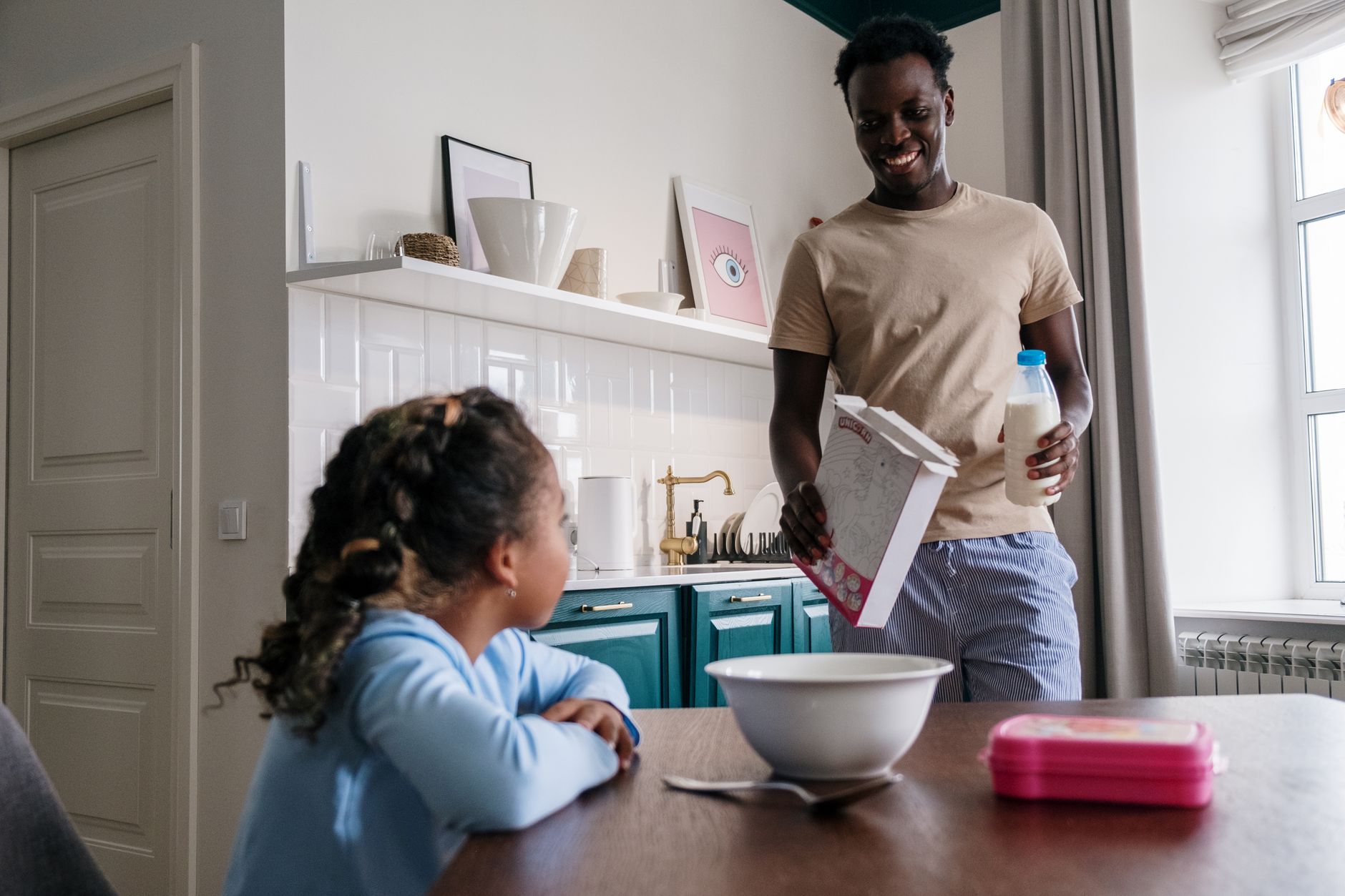
Breakfast cereal has proven to be a particularly resilient category within the broader grocery aisle. As dining out becomes increasingly expensive, consumers are turning toward simple, low cost meal solutions at home. Cereal remains one of the most cost effective options per serving, making it an attractive staple for families navigating inflationary pressures. General Mills has capitalized on this trend by maintaining high brand visibility and executing targeted promotions across its major product lines.
Snack foods have similarly shown sustained momentum, benefiting from shifting consumer eating habits. Modern lifestyle patterns favor frequent, smaller eating occasions throughout the day rather than three traditional seated meals. The company snack portfolio, which includes fruit snacks, granola bars, and savory items, has aligned well with this behavioral shift. By offering consistent portion sizes and recognizable flavors, General Mills has secured steady retail shelf space and high velocity turnover.
The financial performance of General Mills highlights a delicate balance between price increases and unit volume retention. Over the past two years, food manufacturers relied heavily on price hikes to offset rising costs for ingredients, labor, and transportation. However, as cost inflation moderates, growth must increasingly rely on volume stability rather than simple price appreciation. General Mills appears to be navigating this transition more successfully than many of its industry peers.
Industry observers note that the company selective promotional strategy has helped protect market share without sacrificing profit margins. Rather than engaging in aggressive price cuts that erode long term profitability, General Mills has targeted key shopping periods with value oriented marketing. Reporting from Food Business News suggests that this disciplined approach to revenue management has allowed the firm to retain price gains while stabilizing unit sales across major grocery channels.
SUPPLY CHAIN ADVANTAGES AND RETAIL PARTNERSHIPS
A critical factor behind the strong performance of General Mills lies in supply chain recovery and operational efficiency. The company made substantial investments in its logistics network and manufacturing facilities over the past three years to mitigate ongoing supply disruption. These improvements have enabled higher order fulfillment rates, ensuring that retail partners keep shelves fully stocked with high demand items.
Strong relationships with major grocery retailers have also contributed to the positive results. Retailers prioritize high velocity brands that drive store traffic and generate reliable margin. By demonstrating consistent consumer demand for its core packaged goods, General Mills has maintained favorable end cap placement and promotional support in supermarket aisles. This visibility is essential for impulse snack purchases and routine cereal buying.
Looking ahead, General Mills is leveraging its current financial strength to invest in strategic product innovation. Rather than launching entirely new product categories, the company is focusing on line extensions of established, trusted brands. This strategy lowers marketing costs and reduces the risk associated with new product introductions while keeping the brand portfolio fresh for consumers.
Upcoming product releases are expected to emphasize popular flavor profiles, enhanced nutritional attributes, and convenient packaging formats. By expanding existing brand franchises, General Mills aims to capture additional usage occasions throughout the day. This focused approach to innovation supports both long term brand equity and immediate retail performance, positioning the firm well for upcoming fiscal quarters.
For consumers, the strong financial results from General Mills mean that favorite cereal and snack brands will remain widely available on grocery shelves with expanded flavor options and new packaging sizes. While overall food prices are unlikely to drop significantly back to pre inflation levels, the company steady performance and stabilizing costs suggest that price increases will continue to moderate. Shoppers can expect more frequent promotional discounts and value bundles as food manufacturers compete to maintain volume sales in a cautious consumer spending environment.
For the restaurant industry and broader food sector, these earnings indicate that consumer spending on grocery staples remains prioritize over discretionary food away from home options. As households continue to manage tight budgets, affordable convenient food at home will continue to capture a larger share of daily meal occasions. Restaurants will need to offer compelling value propositions to win back consumers who have adjusted to budget friendly home eating routines.
More from the Foodie Pundit Newsroom
- Artisanal Bakery Chains Quietly Close Storefronts as Operating Costs Surge
- The Thermal Science Behind Crafting Flawless Bakery Quality Croissants
- Summer Dessert Trends Drive Seasonal Revenue Boost for Retail Bakeries
- Retail Bakery Chains Face Wave of Closures as Operating Costs Mount
- Summer Dessert Trends Focus on Portability, Global Flavors, and Cold Hybrids