General Mills Posts Strong Quarter Driven By Cereal and Snack Division Gains
Strong consumer demand for morning staples and portable snacks powers solid quarterly results for the packaged food giant.
By Foodie Pundit Newsroom - Published - Section: Desserts Snacks
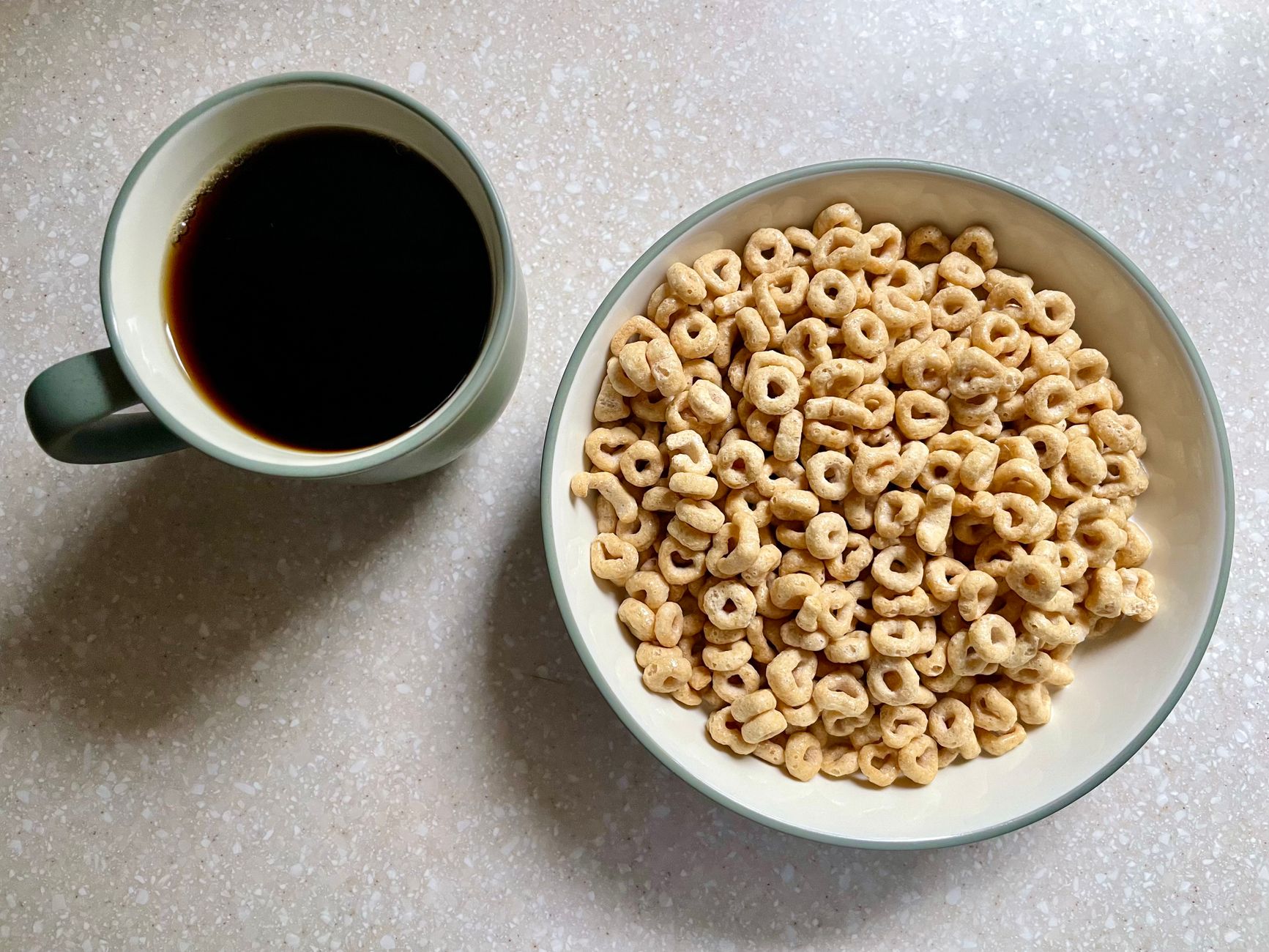
Key points
- General Mills reported strong quarterly performance led by high demand for cereal and snack brands.
- Operational efficiencies and supply chain normalization helped protect operating profit margins.
- Snacking trends and home breakfast habits continue to support center-store grocery sales.
- Strategic package sizing helped the company defend market share against private label store brands.
Packaged food giant General Mills delivered a strong quarterly performance, propelled by robust demand in its core cereal and snacking categories. The Minneapolis-based manufacturer reported resilient net sales and operating profit, outperforming broader consumer packaged goods expectations during a period marked by shifting grocery shopping habits. Strong household penetration of flagship brands helped offset volume pressures seen elsewhere in the food sector.
As reported by Food Business News, the company benefited significantly from strategic price adjustments, supply chain productivity improvements, and targeted brand investments. Consumers continuing to seek convenience and value at home turned to recognizable breakfast staples and portable snacks, reinforcing the stability of established center-store food portfolios.
CEREAL RESILIENCE AND MORNING CONSUMPTION
Breakfast cereal remained a central driver of growth for General Mills during the quarter. Flagship lines including Cheerios, Cinnamon Toast Crunch, and Lucky Charms saw consistent demand from both families and individual adult households. The morning occasion has proven remarkably sticky even as return-to-office schedules fluctuate, with consumers continuing to view cereal as a low-cost, convenient breakfast option compared to foodservice alternatives.
General Mills has continually refined its cereal marketing strategy to capture both nostalgic adult consumers and younger demographics. Limited-edition flavor variations, partnership activations, and larger family-sized package formats contributed to higher basket sizes at retail. By keeping promotional spending targeted and ROI-focused, the business unit maintained healthy margins while defending market share against private-label brand alternatives.
Beyond the cereal aisle, the company's snack division posted standout figures, driven by brands such as Nature Valley, Fiber One, and Fruit Roll-Ups. Portable nutrition bars and fruit snacks experienced elevated velocity, supported by the full return of travel, back-to-school routines, and in-person extracurricular activities. Convenience store sales channels were particularly strong, reflecting ongoing high foot traffic in immediate-consumption outlets.
The surge in snacking aligns with long-term consumer behavioral shifts toward smaller, more frequent meals throughout the day. General Mills expanded its line of high-protein and reduced-sugar snack bars to capture health-conscious shoppers while preserving its core indulgent snack offerings. This dual approach allowed the brand portfolio to capture a broad cross-section of consumer spending tiers without cannibalizing existing product lines.
OPERATIONAL EFFICIENCY AND MARGIN PROTECTION
The quarterly gains were not merely a product of consumer demand, but also of aggressive internal operational adjustments. Over the past year, General Mills executed comprehensive holistic margin management initiatives aimed at reducing waste, optimizing logistics, and streamlining ingredient sourcing. These productivity savings helped insulate corporate profit margins from residual packaging and labor cost inflation.
Supply chain normalization played a crucial role in enabling full product availability across retail channels. Order fill rates for key supermarket partners returned to pre-pandemic baselines, allowing General Mills to maintain primary shelf placements and execute end-cap merchandising campaigns effectively. The improved operational flow reduced logistics spot-market spending, directly benefiting the consolidated bottom line.
RETAILER DYNAMICS AND PRIVATE LABEL COMPETITION
While branded packaged goods have faced rising competition from lower-cost store brands over the past two years, General Mills successfully mitigated private-label threats through brand equity and targeted promotional cadence. Supermarket buyers have maintained strong trade support for top-tier packaged goods because they drive total category dollar volume and high inventory turnover.
General Mills adjusted its pricing architecture to keep entry-level price points accessible while offering larger bulk packs to warehouse club channels. By matching package sizes to distinct retail channels, the manufacturer appealed simultaneously to budget-focused shoppers at mass retailers and value-per-ounce shoppers at club stores. This channel-specific execution limited market share erosion across key product categories.
The latest earnings report provides a positive indicator for the broader packaged food sector, demonstrating that innovation and disciplined brand management can yield top-line growth despite macroeconomic uncertainty. Analysts note that packaged food companies with high brand recognition and strong distribution networks remain well-positioned to weather shifting consumer sentiment.
Looking ahead to the remainder of the fiscal year, General Mills plans to maintain steady capital allocation toward product innovation, digital marketing, and automated manufacturing capacity. The company aims to expand its footprint in international markets and accelerate growth in its specialized pet food division, building on the underlying momentum generated by its core domestic food operations.
For restaurant operators and food service professionals, the sustained strength of retail cereal and snack brands illustrates the ongoing strength of home-based consumption. When consumers rely heavily on grocery staples for breakfast and mid-day snacks, fast-casual and quick-service restaurant operators must work harder to capture morning and mid-afternoon drive-thru traffic.
Promotional messaging that emphasizes morning speed, premium coffee pairings, or unique hot breakfast items can help restaurants compete effectively against simple center-store packaged goods. Additionally, commercial kitchens can look to popular retail snack flavor profiles for culinary inspiration, leveraging widespread consumer affinity for established sweet and savory taste trends in their own seasonal menu development.
More from the Foodie Pundit Newsroom
- Summer Dessert Trends Shift Foodservice Economics Toward High Margin Cold Novelties
- Retail Bakery Sector Faces Footprint Reductions as Rising Costs Force Sudden Store Closures
- Master Bakers Reveal Key Techniques Behind Perfect Commercial Croissants
- Specialty Bakery Chains Face Sudden Store Closures As Operating Costs Surge
- Starbucks Bets Big On Social Media Trends With New Textured Summer Menu Lineup