General Mills Reports Strong Quarterly Earnings Driven By Cereal and Snack Portfolio Momentum
General Mills posted strong quarterly earnings as core cereal brands and convenient snack lineups drove robust consumer sales and stabilized margins.
By Foodie Pundit Newsroom - Published - Section: Desserts Snacks
Key points
- General Mills reported strong quarterly financial results driven by resilient demand for core cereal and snack products.
- Stabilizing input costs and optimized supply chains helped protect operational profit margins.
- The company plans to expand its product pipeline with new flavor variations and convenient formats aimed at on the go consumers.
Packaged food giant General Mills delivered strong financial results for its latest quarter, driven by robust performance across its flagship cereal and snack portfolio. The Minnesota based food manufacturer reported that consumer demand for convenience foods and classic breakfast staples remained resilient despite ongoing broader economic shifts. The company attributes its steady performance to targeted product innovation, brand marketing, and strategic pricing adjustments that aligned with consumer purchasing habits.
As food prices normalize across the grocery sector, major packaged goods manufacturers are closely watching retail purchasing trends. General Mills demonstrated that established snack brands and recognizable breakfast cereals continue to command significant shelf space and household mindshare. Industry analysts closely tracking the sector noted that the company successfully balanced volume growth with profit margins, outperforming initial market expectations for the quarterly period.
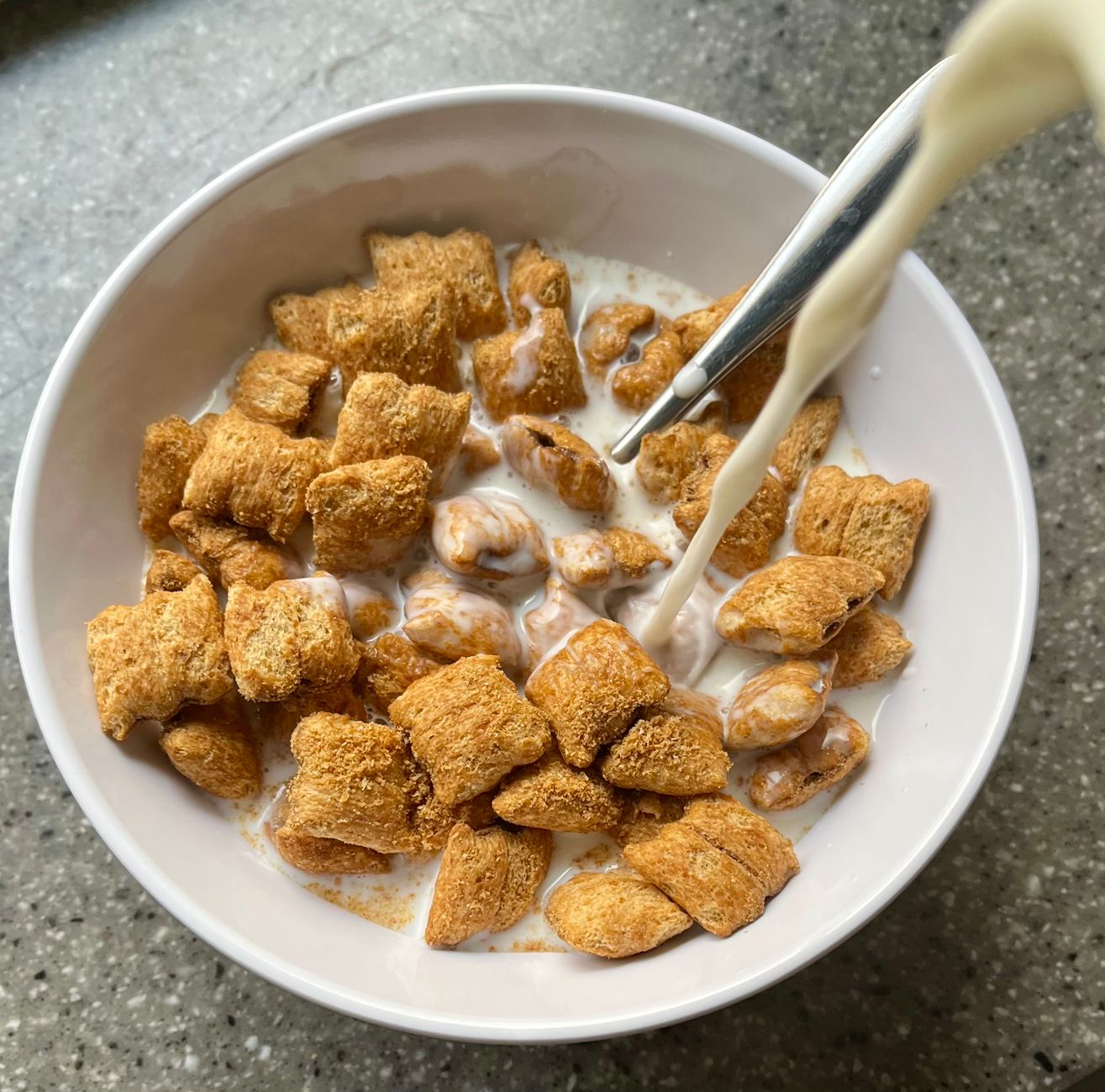
The ready to eat cereal segment, long considered a bellwether for traditional packaged food companies, posted notable sales momentum throughout the quarter. Core brands such as Cheerios, Cinnamon Toast Crunch, and Lucky Charms benefited from persistent consumer interest in quick breakfast solutions. Rather than shifting away from processed breakfast products, busy households appear to be doubling down on predictable, accessible morning routines.
According to reporting from Food Business News, consumer packaged goods manufacturers have spent recent months recalibrating their portfolio strategies to capture value seeking shoppers. General Mills leveraged targeted promotional strategies and optimized pack sizes to keep its cereal lineup competitive against private label store alternatives. The strategy paid off, allowing the company to retain market share while expanding net sales in a highly contested grocery aisle.
Beyond the breakfast table, the company experienced substantial momentum within its convenient snacks unit. Fruit snacks, grain bars, and salty options recorded elevated sales volumes, reinforcing the trend toward frequent, smaller eating occasions throughout the day. Busy working adults and families with school aged children drove consistent retail velocity for packaged options like Nature Valley, Lärabar, and Chex Mix.
The sustained growth of the snack portfolio highlights a broader structural change in how modern consumers construct their daily diets. Full meals are increasingly supplemented or replaced by portable options, creating a favorable backdrop for food processing companies with deep distribution networks. General Mills expanded its distribution footprints across mass retailers, convenience stores, and digital grocery platforms to capture impulse purchases wherever shoppers browse.
SUPPLY CHAIN AND INPUT COST STABILIZATION
A critical contributor to the company financial performance was the ongoing stabilization of global supply chains and agricultural commodity costs. Over the past several years, food manufacturers faced severe headwinds from elevated freight rates, ingredient shortages, and labor market tight spots. The current quarter reflected a far more predictable operating environment, allowing operational managers to optimize factory output and reduce transportation overhead.
With input costs stabilizing, General Mills redirected capital toward marketing campaigns and product research rather than supply chain firefighting. Improved margin profiles provided management with the flexibility to reinvest in trade promotions, ensuring products remained prominently displayed in retail endcaps. This operational efficiency shielded operating income from broader inflationary pressures affecting the food production industry.
RETAIL PARTNERSHIPS AND PROMOTIONAL STRATEGY
Success on the balance sheet required tight coordination with major grocery retailers, wholesale clubs, and dollar store channels. Retailers have become increasingly selective about allocation of premium shelf real estate, demanding high inventory turnover from brand partners. General Mills worked alongside retail merchants to design targeted promotional calendars that boosted product velocity without eroding long term brand equity.
Data driven marketing efforts helped the company target specific shopper cohorts with personalized digital coupons and loyalty program integration. By analyzing point of sale data, marketing teams adjusted product positioning to highlight convenience, taste, and value messaging. The resulting high inventory turnover ensured retail partners maintained consistent reorders throughout the fiscal quarter.
LOOKING AHEAD TO PRODUCT PIPELINE EXPANSION
Building on its current momentum, the food manufacturer plans to roll out an array of product reformulations, flavor extensions, and seasonal offerings. Product development teams are focusing on emerging consumer preferences, including high protein snack options, reduced sugar formulations, and specialized dietary callouts. Keeping core lineups fresh through tactical innovation remains a key pillar of the company growth thesis.
Financial guidance for the upcoming fiscal periods remains cautiously optimistic as leadership monitors macroeconomic factors and consumer spending power. While household budgets remain under close scrutiny, demand for affordable indulgence and routine staples provides a sturdy buffer. General Mills executives expressed confidence that continued investment in brand building will sustain long term shareholder value and retail relevance.
For retail consumers and restaurant industry operators alike, the financial strength of major food processors signals ongoing stability across the packaged goods supply chain. Grocery shoppers can expect to see filled shelves, frequent promotional discounts, and a steady stream of new flavor variations appearing in the cereal and snack aisles over the coming months.
For food service professionals and food intelligence followers, the trend confirms that consumer demand for convenience and familiar comfort foods remains exceptionally strong. Restaurants and fast casual operators may consider incorporating branded packaged components or mimicking popular snack profiles to appeal to on the go diners. As food manufacturers maintain strong margins, competition for consumer snack dollars between retail grocery shelves and quick service menus will only intensify.
More from the Foodie Pundit Newsroom
- Minimalist Cooking Trends Drive Massive Interest In Simple Two Ingredient Desserts
- The Science of the Perfect Croissant: Pro Bakers Reveal Key Lamination Secrets
- Summer Dessert Trends Shift Toward Complex Textures and Botanical Flavors
- The Culinary Science Behind Pairing Miso and Dark Chocolate in Modern Pastry
- The Science of Lamination: How Top Pastry Chefs Engineer the Perfect Croissant