Girl Dinner Returns to TikTok as Grazing Culture Reshapes Weeknight Dining
The viral grazing phenomenon returns to TikTok, signaling a permanent shift in weeknight eating habits and casual dining economics.
By Foodie Pundit Newsroom - Published - Section: Social Virality
Key points
- The viral TikTok trend has returned, proving that informal snack-based dining is an enduring lifestyle shift rather than a fleeting craze.
- High grocery costs and meal prep fatigue drive consumers toward low-effort, customizable, no-cook evening meals.
- Restaurants are adapting by adding shareable small plates, grazing boards, and flexible appetizer options to capture grazing consumers.
The viral social media phenomenon known as girl dinner has surged back into digital discourse, reshaping how consumers view evening meals and prompting casual dining operators to rethink their menus. Originally popularized on TikTok in mid 2023, the trend celebrates low effort, highly varied assortments of small bites eaten in lieu of a traditional cooked dinner. A fresh wave of videos and creator commentary has reignited interest in this assembling culture, according to reporting by Today.com.
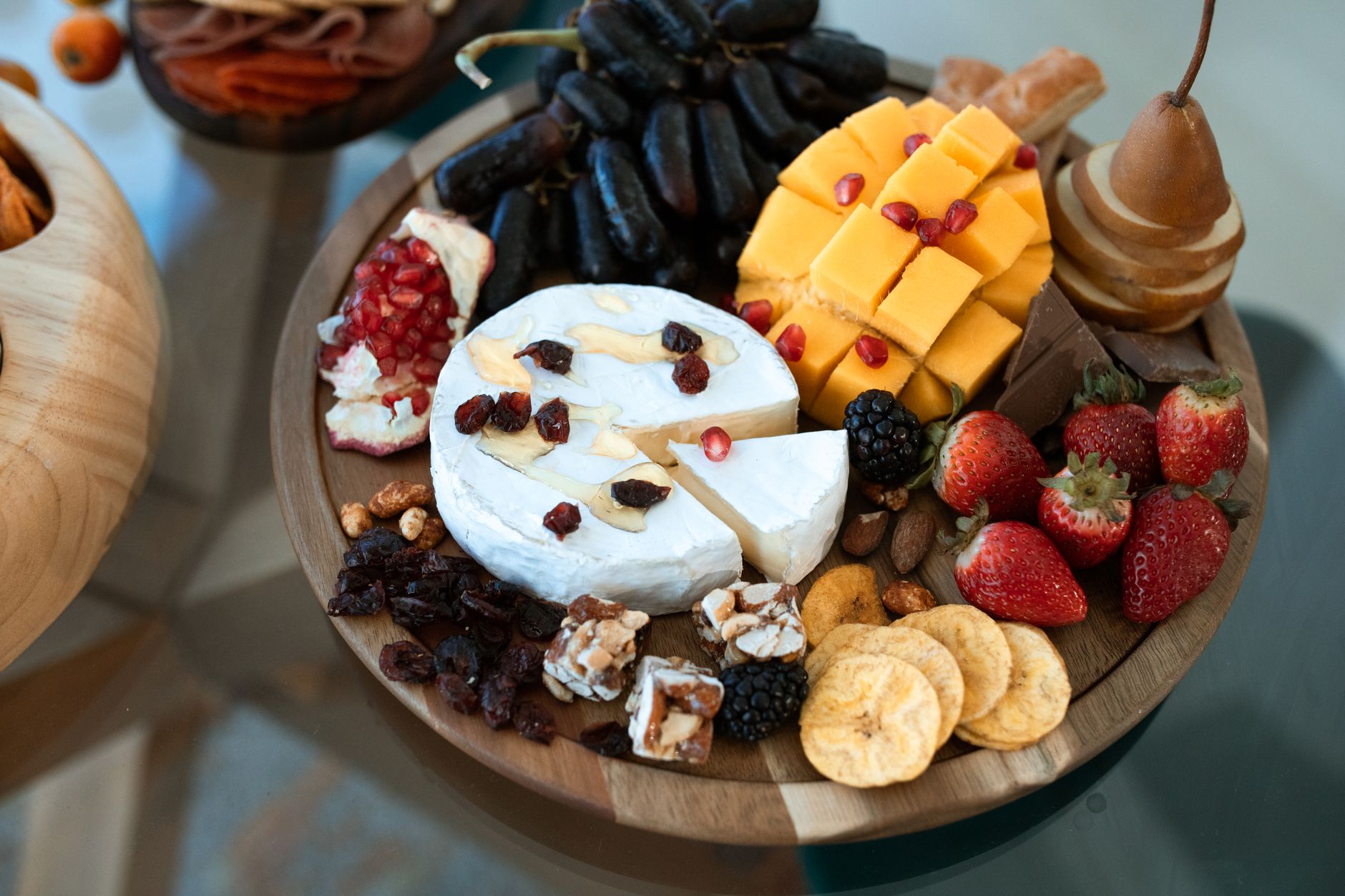
Instead of disappearing like many short lived internet crazes, the format has matured into an established dining preference. Consumers are increasingly embracing no cook spreads featuring cheeses, charcuterie, raw vegetables, canned seafood, dips, and salty snacks. This resurgence highlights a broader shift in consumer behavior, where convenience, hyper personalization, and low friction meal preparation override the traditional structure of an entree flanked by dual sides.
For the restaurant industry, the enduring appeal of the assemble at home meal carries real economic consequences. As grocery prices remain high and consumer budgets tighten, the psychological comfort of an improvised, visually pleasing snack plate serves as a substitute for both home cooking and casual dining out. Operators are taking note, recognizing that the emotional drivers behind this social media trend reflect shifting expectations around convenience and portion flexibility.
Several factors explain why this snack centric approach to dining has reclaimed its spot at the center of food culture. Primary among them is sheer fatigue with traditional meal planning, grocery shopping, and post cooking cleanup. After long workdays, many consumers report having little energy for elaborate culinary tasks, making an assortment of ready to eat pantry staples an attractive alternative.
Social media platforms have also fueled the revival by broadening the definition of what constitutes an acceptable meal. The current wave of content on TikTok emphasizes aesthetic presentation alongside financial practicality. Creators show off artfully arranged cutting boards stocked with modest household ingredients, framing the practice as an act of self care rather than an dietary concession.
Furthermore, changing household demographics play a major role in sustaining this habit. With more single person households and non traditional daily schedules, cooking full recipes often leads to excessive food waste and inflated grocery bills. A flexible, snack based supper allows individuals to customize their intake based on precise daily cravings without committing to large batches of leftover food.
The persistent popularity of small bite dining presents a dual challenge and opportunity for commercial foodservice operators. On one hand, the shift toward ultra casual, home assembled spreads directly threatens traditional weeknight restaurant traffic. When consumers elect to graze on pantry items, full service establishments lose out on valuable dinner checks, beverage sales, and foot traffic.
On the other hand, forward thinking operators are adapting to modern grazing habits by introducing menu items that replicate the variety and flexibility of the trend. Tapas style menus, customizable grazing boards, and expanded appetizer selections are increasingly featured on casual dining boards. By offering high margins on smaller, shareable plates, restaurants can capture spending from diners who prefer tasting multiple flavors over committing to one large main dish.
Retail food brands are similarly capitalizing on the momentum through targeted product innovation. Packaged food manufacturers are rolling out pre balanced snack packs, premium canned fish, individual cheese portions, and specialty crackers explicitly marketed toward quick evening consumption. Grocery stores have expanded their prepared food sections to include ready made snack boxes, bridging the gap between raw ingredients and fully prepared restaurant meals.
Beyond the raw economics, the girl dinner narrative reflects a cultural movement away from strict dietary rules and formal meal structures. Sociologists and food industry analysts observe that modern eaters increasingly reject rigid definitions of what a meal should look like. Grazing allows individuals to respond to real time appetite cues rather than adhering to rigid nutritional templates dictated by traditional three course standards.
The visual nature of social media continues to validate these personal choices. Sharing photos of an eclectic plate featuring olives, chips, pickles, and fruit creates a sense of community connection among users who share similar preferences. This validation neutralizes the old guilt long associated with skipping a formal cooked dinner, elevating simple snacking into a recognized, legitimate dining style.
As summer approaches, industry experts anticipate the trend will gain even more traction due to warmer weather and a natural preference for light, unheated foods. The low heat, zero prep nature of snack plates makes them uniquely suited for seasonal eating habits, ensuring that retail and restaurant operators will continue monitoring this digital phenomenon closely throughout the year.
For the average consumer, the continued popularity of girl dinner offers permission to prioritize convenience, budget control, and personal preference over traditional meal expectations. Embracing low effort grazing can significantly reduce weeknight stress, lower food waste, and keep grocery expenses manageable without sacrificing flavor or satisfaction.
For restaurant goers, this shift means you will likely see more flexible, modular options on local menus. Expect dining establishments to offer expanded small plate lineups, customizable appetizer platters, and lower priced tasting options that cater to light eaters and shared dining experiences. Restaurant operators are listening to consumer demand, making it easier than ever to dine out without committing to a heavy, expensive entree.
Sources and methodology
Reported from the public datasets below.
More from the Foodie Pundit Newsroom
- Casual Dining Contraction Deepens as Major Chain Shutters 28 Locations Nationwide
- Casual Dining Restructuring Accelerates as Regional Chain Shutters 28 Locations
- Casual Dining Restructures as Dozens of Chain Locations Close Permanently
- Casual Dining Strain Triggers Mass Location Closures Across Regional Chains
- Casual Dining Chain Shutters 28 Locations Amid Escalating Industry Pressures