Glasgow Trades Conveyor Belts for Premium Omakase as New Sushi Counter Opens
A dedicated chef-curated sushi counter has opened in Glasgow, reflecting a growing consumer appetite for high-end experiential dining and specialized Japanese c
By Foodie Pundit Newsroom - Published - Section: Luxury Dining
Key points
- Glasgow gets its newest dedicated omakase sushi bar, bringing an authentic Japanese tasting menu format to the local market.
- The omakase model relies on small seat counts, fixed seating times, and direct chef-to-guest interaction to control waste and elevate service.
- High-end dining operators are leveraging experiential concepts to navigate hospitality inflation and changing UK consumer spending habits.
- Reporting from Glasgow Live highlights strong initial consumer demand, with local diners increasingly seeking out specialized culinary experiences.
Glasgow has seen a surge in high-end dining concepts over the last three years, but its newest arrival signals a major shift in how local diners approach traditional Japanese cuisine. A dedicated omakase sushi bar has opened in the heart of the city, bringing an intimate, chef-led dining format directly to Scottish food lovers. The concept relies entirely on the discretion of the master sushi chef, who curates a sequential multi-course meal based on daily market availability, seasonal ingredients, and specialized preparation techniques.
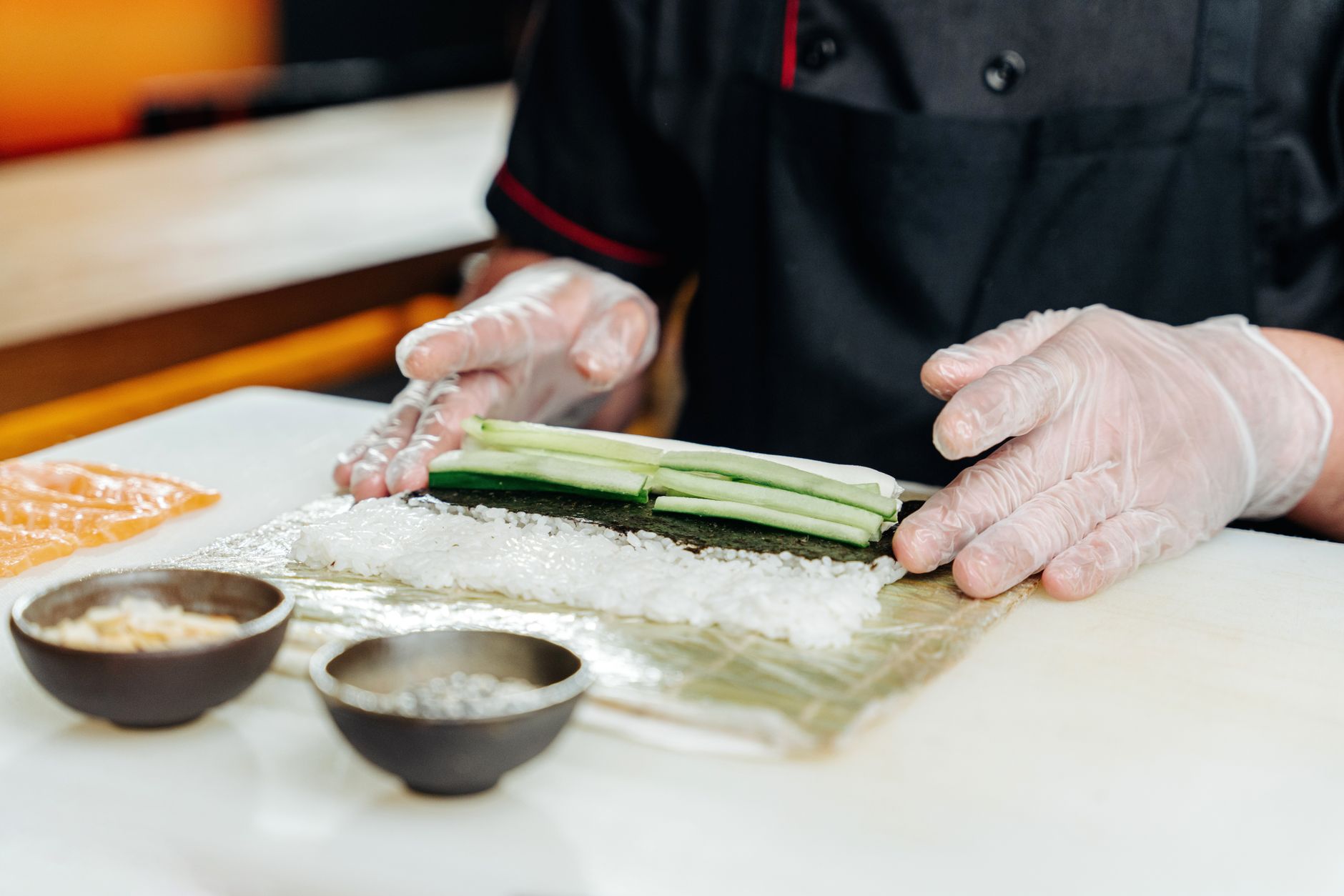
Glasgow Live reported that local diners are quickly embracing this immersive style of eating. Unlike traditional restaurant settings where patrons select dishes from a printed menu, the omakase model transfers total creative control to the culinary team behind the counter. Diners sit directly adjacent to the prep station, watching every slice of raw fish, torching of nigiri, and precise assembly of hand rolls in real time. This direct contact between chef and guest creates an educational atmosphere that transforms dinner into a structured performance.
The word omakase translates roughly to "I will leave it to you" in Japanese, reflecting deep trust between the patron and the chef. While long established in global financial hubs such as Tokyo, London, and New York, the format is now finding a permanent home in secondary and tertiary European markets. Glasgow diners have historically favored casual ramen shops, izakaya-style small plates, and mid-tier conveyor belt sushi establishments. The entry of a dedicated, premium omakase counter marks an evolution in consumer willingness to spend on specialized tasting menus.
Operating a successful omakase counter requires a vastly different supply chain strategy than a standard Japanese restaurant. Chefs must secure fresh, premium-grade fish on a daily basis, often working directly with specialized seafood distributors across the United Kingdom and continental Europe. Scottish waters provide exceptional shellfish, salmon, and mackerel, but exotic items like Japanese sea urchin, fatty tuna, and real quiet-water wasabi root often require intricate international air freight logistics. The financial viability of the restaurant depends on tight inventory control, as raw seafood loses its peak quality rapidly.
ECONOMIC FACTORS DRIVING HIGH-END CONCEPTS
The economics of an omakase restaurant rely heavily on limited seat counts and high ticket averages. Most traditional omakase counters accommodate only eight to 12 guests per seating, offering two distinct dinner services per evening. This restricted capacity creates natural exclusivity, driving early bookings and maintaining high occupancy rates even during typically slow weekday nights. By fixing the menu for all guests at a given seating, the kitchen minimizes food waste and streamlines labor costs compared to expansive a la carte venues.
Inflationary pressures across the hospitality sector have forced operators to think creatively about venue footprint and labor utilization. Smaller dining rooms require fewer front-of-house service staff, shifting the focus entirely to skilled sushi artisans who perform both service and cooking roles. For Glasgow operators, this model helps offset rising utility bills, real estate costs, and commercial rates. The concentrated operational model allows management to invest a larger percentage of total revenue directly into premium ingredients, which helps justify higher menu pricing to the end consumer.
The arrival of boutique sushi counters reflects broader shifts in urban UK consumer behavior, particularly among younger demographic groups. Diners are increasingly prioritizing experiential spending, choosing memorable tasting menus over generic nights out. Social media platforms have further amplified interest in detailed culinary techniques, making the visual artistry of sushi preparation a major marketing driver. Guests are eager to learn about the provenance of specific fish cuts, the aging techniques applied to raw proteins, and the precise temperature balancing of seasoned rice.
Glasgow Live noted that reservation queues for unique dining concepts often stretch weeks in advance, proving that the local market can sustain premium niche offerings. As Glasgow continues to solidify its reputation as a major culinary destination within the United Kingdom, the success of specialized concepts encourages further investment from independent restaurant groups. Competitors are likely to observe consumer reception closely, potentially leading to additional chef-driven concept openings across the city over the coming year.
For local diners and visiting food enthusiasts, the arrival of a dedicated omakase counter offers an authentic taste of high-end Japanese gastronomy without needing to travel to London or international capitals. While the price point sits significantly above casual options, the fixed-course format offers a complete, highly curated meal that emphasizes ingredient quality over sheer volume.
If you plan to visit, advance planning is essential due to the low seat count. Guests should approach the meal with an open mind, as the chef controls every element of the menu based on the freshest seafood available that specific day. Dietary restrictions can sometimes be accommodated with advance notice, but the traditional omakase format celebrates raw seafood, seasoned rice, and minimal alteration of fresh components. Expect an intimate dining environment where conversation with the culinary team is actively encouraged.
Sources and methodology
Reported from the public datasets below.
More from the Foodie Pundit Newsroom
- Glasgow Dining Scene Embraces Premium Omakase Trend As Specialty Seafood Concepts Expand
- Fast Food Breakfast Wars Heat Up as Chains Swap Donuts for Premium Cinnamon Rolls
- Caffeine Defies Inflation as Consumers Protect Their Daily Coffee Habit
- Grocery Inflation Shows Signs of Peaking but Consumers Advised to Expect High Baseline Costs
- Viral Two-Ingredient Desserts Highlight Changing Consumer Demand for Quick Kitchen Hacks