Glasgow Omakase Craze Highlights Growing Demand for Luxury Experiential Dining
Intimate counter service dining and high check averages are reshaping regional UK hospitality as specialized Japanese concepts gain ground.
By Foodie Pundit Newsroom - Published - Section: Luxury Dining
Key points
- Intimate omakase counters allow operators to achieve high revenue density within small commercial footprints.
- Fixed tasting menus drastically reduce food waste and help kitchens control inventory costs effectively.
- Affluent regional diners are increasingly favoring experiential culinary events over mid-tier casual dining.
- Complex international cold chain logistics remain a critical operational challenge for premium sushi venues.
GLASGOW RESTAURANT SECTOR SEEKS HIGH END EXPANSION
The dining landscape in Scotland is undergoing a notable shift as operators lean heavily into specialized, intimate culinary experiences. In Glasgow, the arrival of dedicated omakase sushi concepts highlights a growing consumer demand for premium experiential dining. Omakase, a Japanese phrase that translates to leaving the choice to the chef, represents a stark departure from conventional conveyor belt sushi or high volume casual Asian eateries. Restaurant operators are betting that diners will trade frequency for higher check averages when presented with tailored, multi-course menus prepared directly in front of them.
Recent reporting from Glasgow Live indicates that local food lovers are eagerly embracing these high end sushi formats, reflecting a broader trend across the United Kingdom hospitality sector. High street dining has faced severe headwinds over the past three years due to rising energy bills, elevated ingredient costs, and shifts in consumer spending. Specialized concepts, however, often manage to bypass some of these pressures by limiting seating capacity, reducing food waste through fixed tasting menus, and charging premium price points that protect operational margins.
The traditional omakase format operates on a distinct set of financial and operational dynamics compared to standard service restaurants. Chefs select the freshest daily market arrivals, creating a bespoke progression of nigiri, sashimi, and small dishes tailored to what is seasonally available. Because the menu is determined entirely by the kitchen, operators can maintain precise control over inventory and food cost percentages. Waste is minimized because ingredient purchasing is aligned with exact seat bookings, avoiding the overhead associated with large, variable menu offerings.
From a real estate perspective, these venues often require smaller square footage than traditional dining rooms. An intimate counter seating anywhere from eight to twelve guests allows operators to squeeze high revenue density out of compact floor plans. This spatial efficiency is particularly attractive in city center locations where commercial rents per square foot remain high. Lower front of house staffing requirements further reduce labor overhead, allowing management to reallocate capital toward sourcing top tier seafood imports and skilled culinary talent.
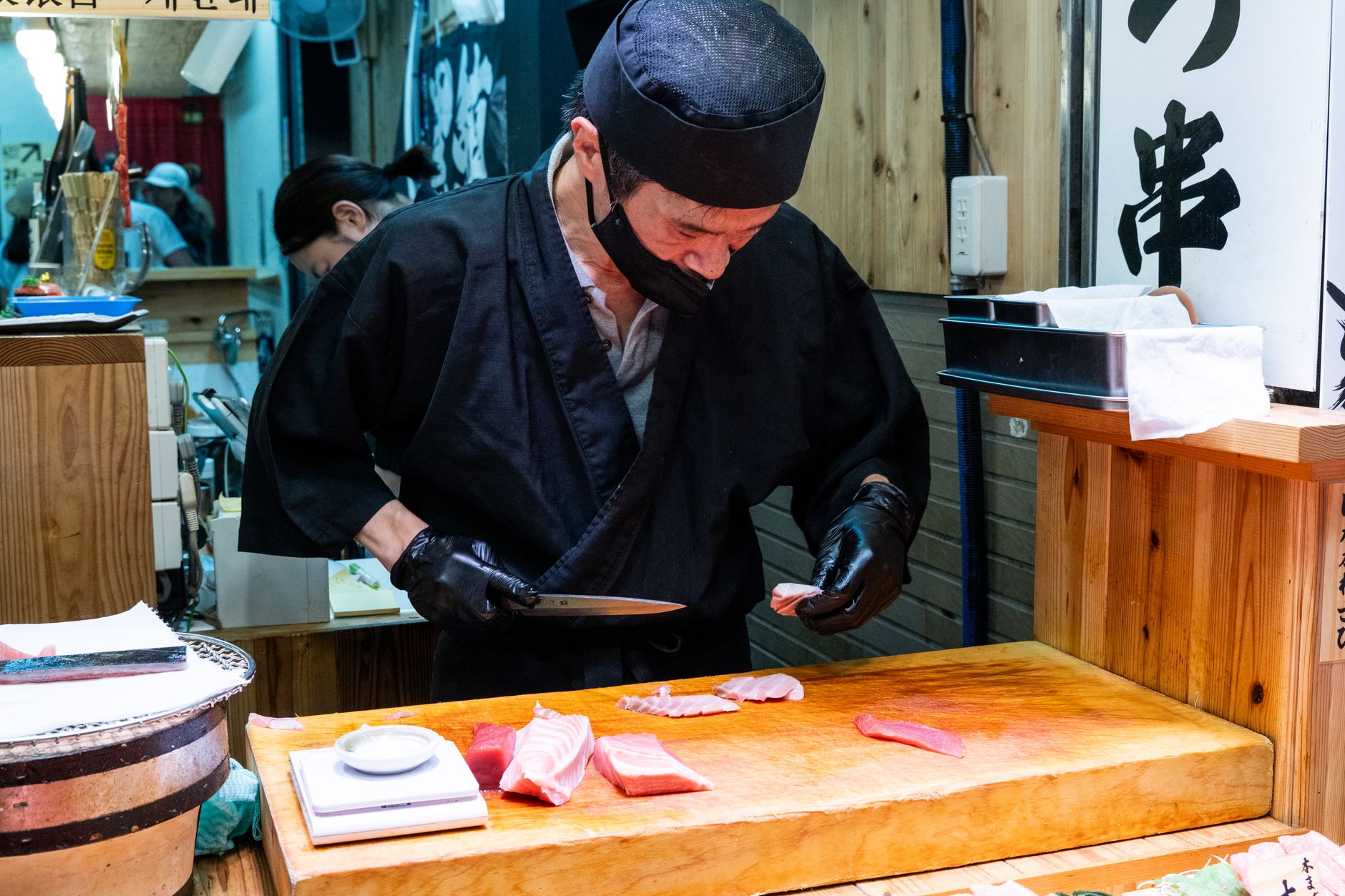
The rapid uptake of luxury sushi concepts in regional urban centers points to changing consumer demographics and dining preferences. Younger, affluent professionals are increasingly prioritizing experiential spending over material purchases, treating dinner as a form of entertainment. The interactive nature of omakase, where guests watch sushi masters execute precise knife work and rice shaping, fits neatly into this desire for immersive dining. Social media visibility also plays a key role in driving initial awareness, with visually striking presentations attracting organic online promotion.
Furthermore, post pandemic recovery patterns show that while mid tier casual dining continues to struggle, premium and budget ends of the market remain resilient. Diners who elect to spend money on eating out are searching for distinct, memorable meals that cannot be easily replicated at home. A dedicated omakase bar offers specialized culinary techniques, rare fish varieties, and precise temperature controls that standard home cooks simply cannot execute. This perceived value proposition allows operators to command higher per person ticket prices even during times of general economic uncertainty.
SUPPLY CHAIN CHALLENGES AND QUALITY CONTROL
Executing high level Japanese cuisine in Scotland presents unique supply chain dynamics. While local waters produce world class seafood such as salmon, scallops, and langoustines, traditional sushi menus rely on specific varieties of tuna, sea urchin, and white fish that require international import routes. Logistics management becomes a central operational pillar for these venues, as any breakdown in cold chain transportation directly impacts product safety and flavor integrity.
To maintain strict quality standards, operators must cultivate tight relationships with specialized fishmongers and international air freight distributors. Seasonal weather shifts and trade regulations can cause sudden price spikes or availability shortages for key ingredients. Successful kitchens manage these fluctuations by maintaining flexible menus that allow chefs to substitute daily catches without compromising the overall guest experience or profitability structure.
Glasgow has long maintained a diverse food scene dominated by traditional pubs, Italian bistros, and casual Indian eateries. The introduction of upscale Japanese counters signals a maturing market capable of supporting hyper specialized niche concepts once reserved for larger global hubs like London or Tokyo. Regional expansion allows operators to capture underserved local demand before the market reaches saturation.
As competition intensifies, established hospitality groups are keeping a close watch on these boutique openings. Some larger operators may look to integrate counter service omakase elements into existing venue portfolios to drive higher check averages. However, maintaining the authenticity, speed, and refined atmosphere required for successful omakase remains a barrier to entry that favors specialized independent chefs.
For local consumers, the expansion of high end Japanese concepts brings greater variety and access to world class dining techniques right on their doorstep. Diners should expect to book seats well in advance, as the limited capacity of counter seating creates natural supply constraints. While ticket prices for these tasting menus sit at the upper end of the local market, the fixed structure provides price transparency before entering the venue.
For prospective restaurant entrepreneurs, the success of the omakase model in Glasgow demonstrates the viability of high margin, low inventory dining formats. By focusing on tight seat counts, streamlined labor, and waste control, operators can build resilient business models capable of navigating current macroeconomic pressures. Tracking how regional diners respond to these premium offerings will provide valuable signal for the future direction of urban dining across the country.
Sources and methodology
Reported from the public datasets below.
More from the Foodie Pundit Newsroom
- Taco Bell Launches Cantina Chicken Lineup to Challenge Fast Casual Competitors
- Miso Salmon Emerges as the Ultimate Economic Upgrade for Weeknight Seafood
- How Miso Salmon Is Redefining The Economics Of Weeknight Home Cooking
- Kroger Drops Prices on Over 1,000 Grocery Essentials in Summer Value Push
- Kroger Overhauls Grab and Go Strategy to Target Restaurant Takeout Market