Glasgow Sandwich Shop Shutters After Eight Years As Independent Operators Face Rising Margin Pressures
An abrupt departure by an eight year old Glasgow sub shop highlights the severe margin pressures facing independent lunch spots.
By Foodie Pundit Newsroom - Published - Updated - Section: Closings Bankruptcies
Key points
- An eight year old Glasgow sandwich shop closed abruptly without prior notice, illustrating a broader trend of quiet shutdowns in the hospitality sector.
- Independent lunch counters face compounding pressures from wholesale food inflation, elevated utility costs, and shifting hybrid work schedules.
- Fast casual dining is increasingly leaning toward regional chains and delivery models that can absorb higher operational expenses better than single site owners.
- Diners can best support remaining local venues through direct, in person purchases during off peak service days.
GLASGOW INDEPENDENT DINING CLOSURES HITS LOCAL SUBS
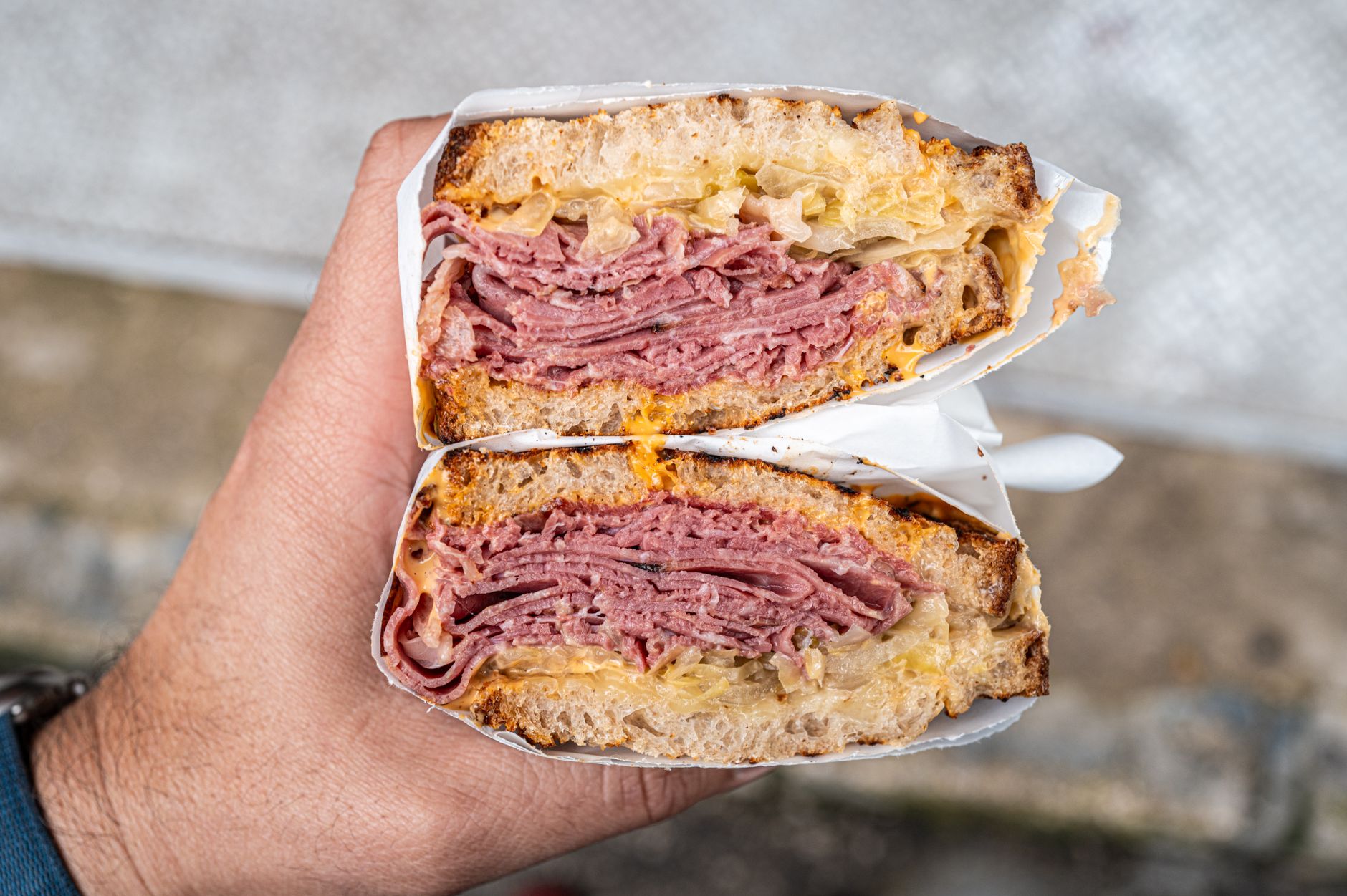
The sudden quiet at a long standing Glasgow neighborhood sandwich shop has left loyal customers and industry observers reflecting on the intensifying margin pressures facing independent food operators. As food input costs continue their relentless climb, with butter prices surging to $3.14 per pound, marking a 7.9% increase from just a month prior, and all-purpose wheat flour up 2.7% to $0.57 per pound in the same period, businesses like this one are being squeezed from all sides. According to reporting from Glasgow Live, the cherished local venue abruptly ceased operations after eight years of serving high stacked submarine sandwiches, gourmet meltdowns, and daily lunch specials to the surrounding community. This quiet departure, executed without a major farewell campaign or pre announced closing date, highlights a growing trend among mid tier food service establishments that choose to wind down operations overnight rather than endure an extended, costly wind down period in the face of ever-increasing raw material expenses.
For nearly a decade, the shop operated as an anchor tenant in its dining corridor, building a dedicated lunch following and relying heavily on foot traffic from nearby office workers and residents. Regular customers expressed shock as online ordering portals went dark and physical storefront windows were covered over without prior notice. This phenomenon, which locals colloquially describe as being ghosted by their favorite dining spot, reflects the immense operational strain that independent proprietors face behind closed doors before finally making the decision to pull the plug.
OPERATIONAL STRAINS IN THE MODERN LUNCH HOUR
Operating an independent sandwich shop over an eight year lifespan requires constant adaptation to shifting consumer trends and input expenses. In the current economic climate, micro businesses face escalating bills on multiple fronts, including sharp increases in raw ingredient costs, rising utility bills, and higher commercial lease renewals. Meat, cheese, and specialty bread prices have experienced sustained inflation across global supply chains, making high volume, low margin menu items increasingly difficult to monetize.
Furthermore, the post pandemic shift toward hybrid work schedules has permanently altered the predictable weekday lunch rush in urban and suburban neighborhoods alike. Operators who previously built business models around consistent Monday through Friday foot traffic now face shortened peak windows, with Tuesdays through Thursdays bearing the brunt of weekly volume while Mondays and Fridays remain subdued. When fixed costs like rent and refrigeration remain constant regardless of day of the week, running a profitable lunch counter becomes a daily exercise in tight inventory management and precise labor scheduling.
While large corporate chain restaurants typically announce closures months in advance alongside financial disclosures, independent operators often choose immediate shut downs to mitigate further financial losses. Announcing a planned closing date can lead to unpredictable staffing shortages, uneven inventory supply, and chaotic final weeks that stretch limited working capital to its breaking point. For many small business owners, locking the doors at the end of a standard service shift and quietly surrendering the lease is the most economically rational way to exit the market.
This pattern of sudden departure has become increasingly common across the UK hospitality sector over the past two years. Local reporting from Glasgow Live underscores how neighborhood patrons are often left grieving the sudden loss of gathering spaces that served as everyday touchpoints in their routine. The loss of an eight year old sandwich spot represents not just the departure of a specific food offering, but the erosion of localized commercial character that defines specific urban quarters.
Behind the counter, sub shops operate on notoriously thin profit margins that rely on rapid customer turnover and predictable food costs. Specialty lunch meats, imported cheeses, and daily baked bread require frequent restocking, leaving little room for inventory to sit unsold on refrigeration shelves. Over the past three years, wholesale food distributors have passed along recurring price increases driven by transportation fees, energy spikes, and agricultural yield volatility.
When wholesale prices rise, small operators face a difficult choice between absorbing the cost reductions in their own income or passing price hikes along to customers. In the casual dining segment, price sensitivity is exceptionally high, as everyday office workers maintain strict mental budgets for their daily lunch purchases. Once a premium submarine sandwich crosses a certain price threshold, customer frequency tends to drop off, creating a vicious cycle of lower revenue and rising per unit operational costs that can quickly render an independent business insolvent.
As local independent operators depart the market, the fast casual landscape is increasingly filled by regional chains and digital first delivery concepts. Larger corporate entities possess the balance sheet capacity to negotiate bulk purchasing agreements, hedge against utility spikes, and absorb temporary dips in consumer traffic. Consequently, the diversity of the local food landscape gradually shifts toward standardized offerings backed by institutional capital.
Digital ghost kitchens and delivery centric operators have also captured a growing share of the casual lunch market, taking advantage of lower overhead costs by operating out of industrial spaces without public dining rooms. However, these operational models lack the public facing storefront presence that creates neighborhood identity and fosters community connection. The loss of a physical counter where customers interact daily with staff marks a continued transition toward transactional, screen based food procurement.
Sources and methodology
Reported from the public datasets below.
More from the Foodie Pundit Newsroom
- How GLP-1 Appetite Suppressants Are Rewriting Food Industry Economics
- The 'Smart' Nutrient That Makes Your Arteries Young Again
- Boston's Cocktail Scene: How National Trends, Like Michelin Teams Expanding, Could Stir Up Our Local Flavors
- Why the Viral Girl Dinner Trend Might Actually Be Good for Your Gut
- Why Food Equity May Be the Next Frontier for the Restaurant Industry