Glasgow Welcomes Dedicated Omakase Venue as High-End Japanese Dining Gains Momentum
The launch of a specialized sushi bar in Glasgow highlights how intimate counter dining is expanding across regional British markets.
By Foodie Pundit Newsroom - Published - Section: Luxury Dining
Key points
- Omakase concepts are expanding beyond major capitals into regional markets like Glasgow, driven by strong consumer demand for experiential dining.
- The fixed-menu, limited-seating format offers restaurant operators significant economic advantages, including reduced food waste and lower real estate overhead.
- Advancements in cold-chain logistics allow chefs in Scotland to source ultra-fresh, premium seafood from both local waters and international markets.
- Consumers continue to spend on high-end, event-style meals despite broader economic pressures affecting casual dining establishments.
THE RISING DEMAND FOR HIGH-END OMAKASE DINING
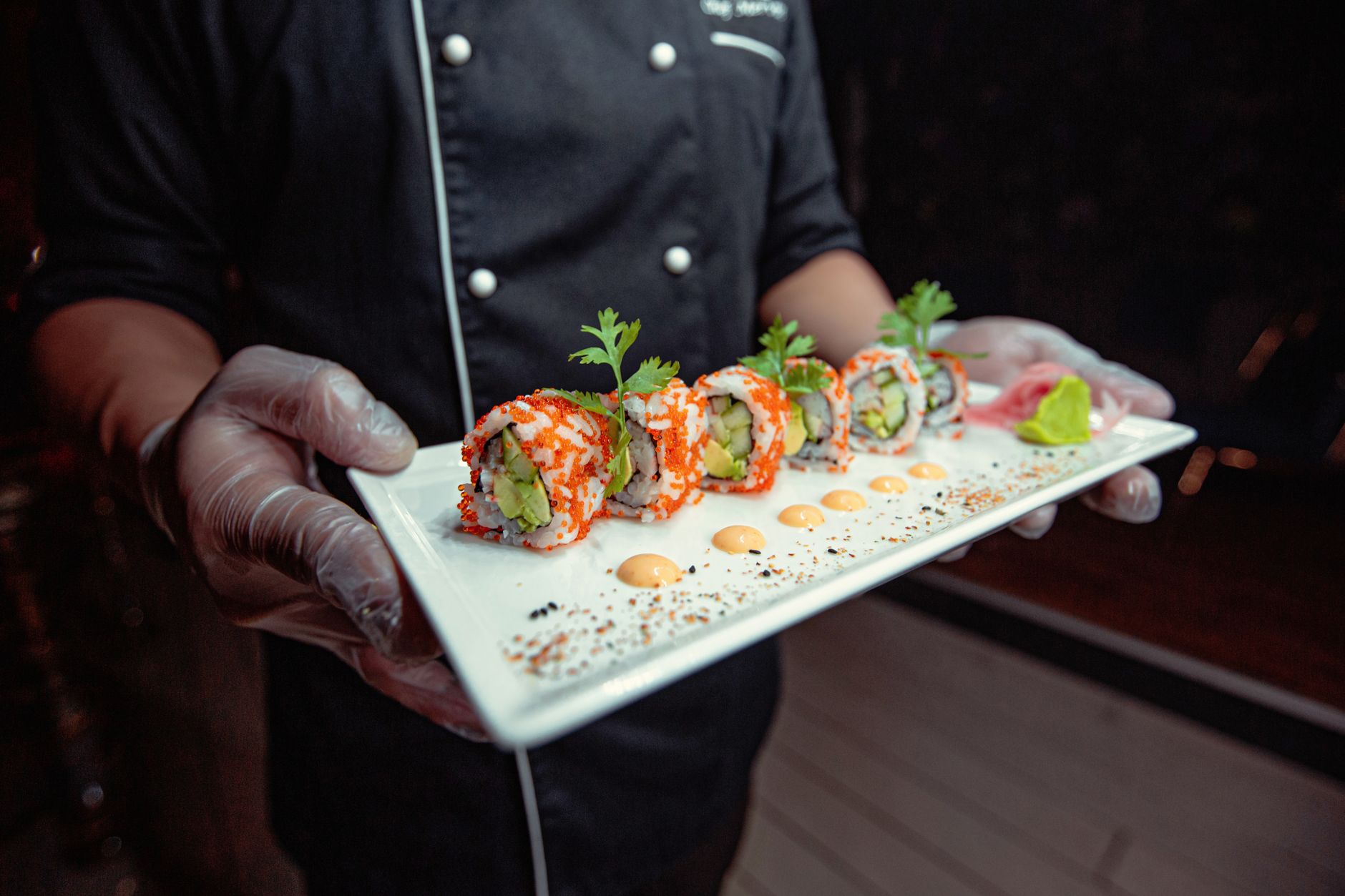
The culinary landscape in Scotland is undergoing a subtle yet profound shift as diners increasingly trade casual dining for intimate, highly curated gastronomic experiences. Reporting from Glasgow Live highlights the arrival of a new dedicated omakase sushi bar, marking the latest milestone in the city's expanding luxury food market. Omakase, a Japanese phrase that translates to "I leave it up to you," places the guest entirely in the hands of the chef for a multi-course meal featuring the freshest seasonal ingredients available on that specific day.
This style of dining represents a stark departure from traditional Western restaurant formats where customers select dishes from a fixed, standardized menu. In an omakase setting, the chef selects every piece of fish, prepares it in full view of the patrons, and serves it piece by piece at a centralized counter. The experience relies heavily on theatricality, precision, and trust, creating an interactive dynamic between the kitchen and the dining room that standard restaurants rarely replicate.
The emergence of specialized Japanese concepts in regional British cities reflects broader economic trends within the hospitality sector. While everyday family restaurants face severe margin compression due to rising energy bills and commodity inflation, high-end counter-style establishments operate on a remarkably efficient business model. By offering a single tasting menu each night, these venues dramatically reduce food waste and streamline kitchen labor, allowing operators to maintain profitability despite high ingredient costs.
THE ECONOMICS BEHIND COMPACT RESTAURANT CONCEPTS
For restaurant operators, the omakase format provides several structural financial advantages that make it an attractive investment in uncertain economic times. A typical omakase counter seats anywhere from six to twelve guests per seating, creating an immediate sense of exclusivity and high demand. Because the seat count is capped and service times are tightly managed, owners can predict daily revenues with exceptional accuracy before the doors even open each evening.
Furthermore, inventory management is simplified when a venue serves a uniform sequence of courses to every patron. Rather than stocking dozens of diverse proteins and garnishes to satisfy an extensive printed menu, the head chef purchases precise quantities of premium seafood directly from specialized suppliers. This minimizes unsold surplus, which historically accounts for one of the largest financial leaks in traditional restaurant operations.
The real estate footprint required for a counter-focused sushi bar is also significantly smaller than that of a standard full-service establishment. With no need for expansive dining rooms, large waiting areas, or massive cook lines, operators can secure smaller commercial leases in prime urban locations. This reduction in overhead allows businesses to reallocate capital toward sourcing rare fish varieties, premium rice, and authentic imported condiments that define top-tier Japanese cuisine.
CONSUMER BEHAVIOR AND THE EXPERIENTIAL DINING TREND
The enthusiastic reception of new omakase venues in secondary markets like Glasgow points to changing consumer spending habits across the United Kingdom. Modern diners, particularly younger demographic cohorts, are increasingly prioritizing memorable experiences over material goods. While inflationary pressures have caused consumers to cut back on casual mid-week meals out, willingness to spend on premium, event-style dining remains surprisingly resilient.
Social media platforms have played an outsized role in propelling counter-style Japanese dining into mainstream popular culture. The visual nature of sushi preparation, featuring precise knife skills, blowtorch searing, and meticulous plating directly onto ceramic blocks, generates high engagement on digital channels. This organic exposure creates a self-sustaining marketing loop, ensuring that reservation slots are often claimed weeks or months in advance.
Additionally, British palates have become significantly more adventurous over the past decade, moving far beyond standard salmon rolls and tempura. Diners actively seek out specialized cuts like fatty tuna, sea urchin, and sea eel, along with traditional fermentation techniques and custom dashi broths. This cultural shift allows chefs greater creative freedom to introduce authentic Japanese culinary traditions to markets that were previously dominated by Westernized fusion concepts.
SUPPLY CHAIN ADVANCEMENTS SUPPORTING FRESH SEAFOOD TRADES
A vital factor enabling the expansion of top-flight sushi bars outside major global hubs like London or Tokyo is the rapid modernization of cold-chain logistics. Premium omakase relies entirely on the immaculate quality and safety of raw seafood, necessitating ultra-fast transport networks. Today, high-grade fish caught in the Atlantic or imported directly from Toyosu Market in Tokyo can reach Scottish kitchens within hours of harvest.
Local sourcing has also become a major selling point for Scottish sushi establishments looking to combine global traditions with regional produce. Scotland produces some of the finest wild shellfish and farm-raised salmon in the world, providing chefs with world-class local options to complement imported specialties. By blending locally harvested scallops and langoustines with imported Japanese seasonings, venues create a unique regional identity that appeals to both local residents and visiting tourists.
As cold-chain infrastructure continues to improve and domestic sourcing partnerships deepen, the barrier to entry for high-end raw bar concepts will likely fall further. This infrastructure makes it feasible for boutique operators to thrive outside traditional capital cities, enriching the local dining ecosystem and creating new career pathways for skilled sushi artisans throughout the country.
For local diners, the arrival of dedicated omakase bars offers unprecedented access to world-class Japanese gastronomy without the need to travel to major international metropolitan centers. While the price per person for a full tasting menu remains a substantial investment, the format delivers a high level of personal attention, educational narrative, and culinary craft that standard dining rooms cannot match.
For the broader food service industry, this trend underscores the viability of hyper-specialized, low-inventory concepts in regional markets. Expect to see more boutique hospitality brands adopting counter-only models, fixed tasting menus, and limited seating capacities across various culinary traditions as operators seek to hedge against rising overhead costs while delivering memorable, high-value experiences to discerning customers.
Sources and methodology
Reported from the public datasets below.
More from the Foodie Pundit Newsroom
- Fast Casual Concepts Lead Restaurant Industry Growth Through Quality and Value
- Glasgow Omakase Craze Highlights Growing Demand for Luxury Experiential Dining
- Taco Bell Launches Cantina Chicken Lineup to Challenge Fast Casual Competitors
- Miso Salmon Emerges as the Ultimate Economic Upgrade for Weeknight Seafood
- How Miso Salmon Is Redefining The Economics Of Weeknight Home Cooking