Global Beverage Market Shifts Toward Premiumization and Mindful Drinking Trends
Rising consumer interest in premium ingredients, health-conscious alternatives, and novel flavor profiles is driving a major economic shift across the global be
By Foodie Pundit Newsroom - Published - Section: Beverages
Key points
- Consumers are drinking less alcohol overall but spending more per serving on higher quality options.
- Non-alcoholic and low-ABV beverages are expanding rapidly to accommodate health-conscious lifestyles.
- Spirits producers are relying on exotic flavor profiles and advanced barrel aging techniques to drive innovation.
- Ready-to-drink canned cocktails are elevating quality standards to match traditional craft bar programs.
The global adult beverage sector is undergoing a profound structural shift as consumer preferences pivot away from high-volume consumption toward higher-quality, sophisticated liquid experiences. Reporting from Forbes India highlights how beverage producers are completely re-engineering their portfolios to capture a new generation of drinkers. Consumers are showing an appetite for premium formulations, novel flavor profiles, and lower-alcohol alternatives that fit seamless into modern lifestyle habits. This shift, widely described within executive boardrooms as premiumization, is changing how brands allocate capital and market their products worldwide.
For decades, the beverage alcohol industry relied on volume growth driven by standard-tier beers, commercial spirits, and mass-market wines. However, recent economic data and market surveys demonstrate that modern consumers are purchasing less alcohol overall, but spending significantly more money per serving when they do indulge. This behavior is forcing corporate beverage giants and independent craft distilleries alike to rethink their core product lines. Rather than competing solely on price point or distribution footprint, producers are now competing on ingredients, barrel aging techniques, sensory complexity, and functional health claims.
A major driver behind this transformation is the rapid evolution of consumer demographics and health awareness. Gen Z and millennial drinkers are approaching alcohol with unprecedented caution, prioritizing physical well-being and mental clarity over traditional social drinking habits. Industry data shows that young adults are integrating lower-abv and zero-proof beverages directly alongside standard cocktails during a single evening out. Consequently, major spirits conglomerates are acquiring emerging craft brands that specialize in botanical distillates, dealcoholized wines, and high-end non-alcoholic aperitifs to prevent market share erosion.
To capture consumer interest, distillers and brewers are experimenting with unconventional ingredients and complex blending strategies that mimic the sophistication of fine dining. Barrel finishing has expanded far beyond traditional sherry and bourbon casks to encompass tequila, rum, and even artisanal mead barrels. Furthermore, native botanicals, exotic spices, and savory flavor elements are replacing the artificial, sugar-heavy additives that previously dominated flavored spirits. Forbes India noted that consumers are increasingly looking for adventurous flavor combinations that provide a sense of discovery and storytelling.
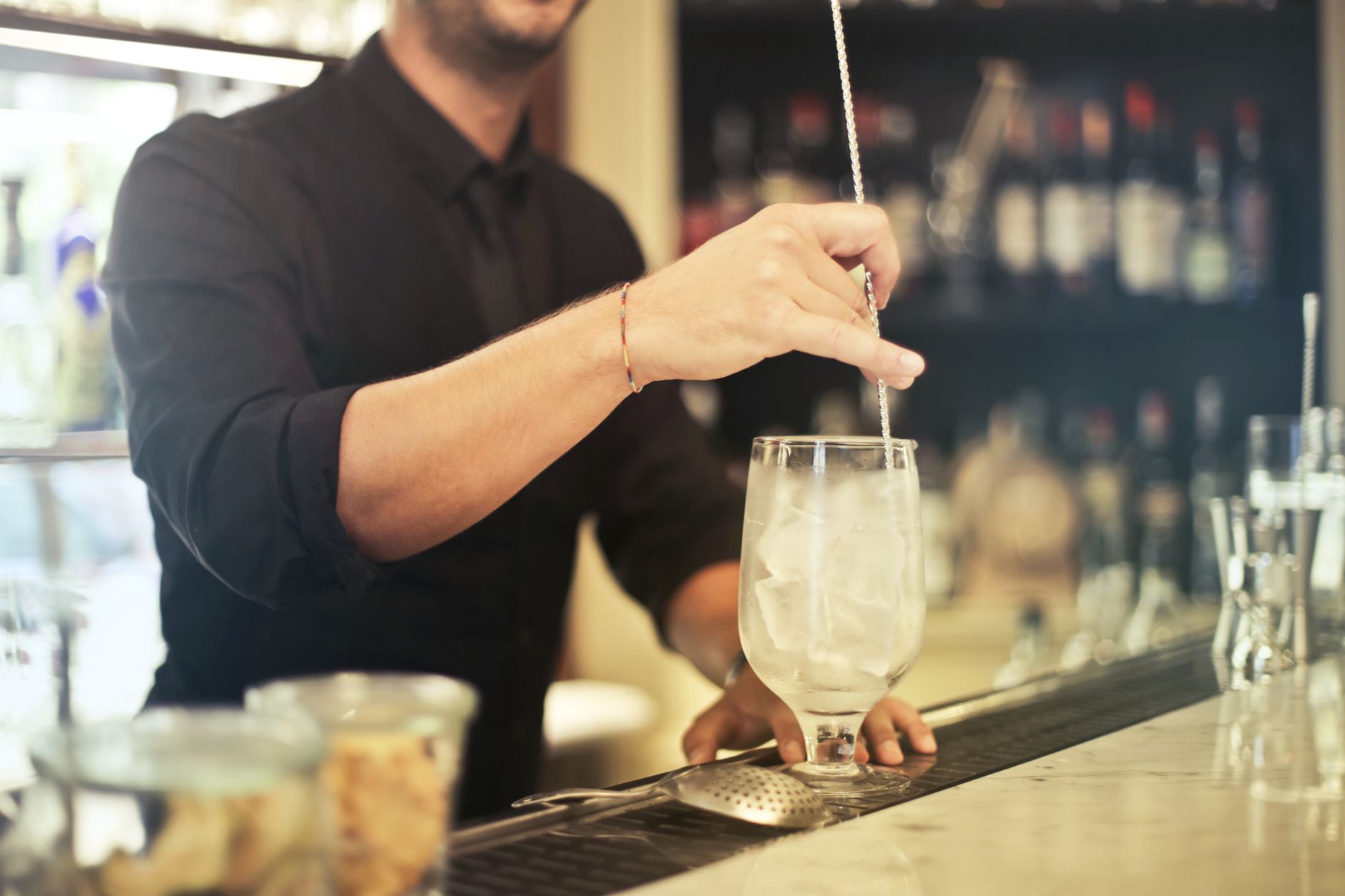
The culinary influence on beverage development has elevated the standard expected by restaurant guests and home mixologists. Mixology is no longer confined to high-end hotel bars, as ready-to-drink canned cocktails now utilize real juices, premium spirits, and sophisticated carbonation methods. These packaged offerings allow consumers to enjoy bar-quality beverages in casual, off-premise environments like outdoor parks, beaches, and backyard gatherings. Consequently, the convenience segment has seen massive capital investment, with top-tier spirits companies buying out regional ready-to-drink startups to secure shelf space in retail outlets.
At the same time, sustainability and ethical sourcing have become central pillars of brand positioning within the premium beverage space. Modern drinkers demand transparency regarding where ingredients are grown, how water is utilized during distillation, and whether packaging materials are recyclable. Distilleries that adopt regenerative agriculture practices or utilize localized supply chains are realizing higher profit margins and stronger brand loyalty. Environmental stewardship is no longer viewed merely as a corporate responsibility metric, but rather as a primary differentiator in a crowded, competitive retail marketplace.
While the demand for high-end beverages remains resilient, beverage companies face complex macro-economic challenges including inflationary pressures and shifting supply chain dynamics. The cost of raw materials such as glass bottles, aluminum cans, organic grain, and specialized botanical extracts has escalated sharply over the past three years. To protect profit margins without alienating price-sensitive shoppers, brand owners are carefully calibrating their pricing strategies and leaning into limited-edition releases that command premium price tags.
Distribution channels are also adapting to changing buying patterns, with direct-to-consumer sales models gaining traction in jurisdictions where regulations permit online alcohol shipments. Spirits clubs, digital subscription boxes, and e-commerce platforms have allowed craft distillers to bypass traditional middle-tier distributors and build direct relationships with target audiences. This digital access enables producers to gather valuable consumer preference data in real time, allowing them to rapidly iterate on new flavor profiles and limited seasonal releases based on verified purchase behavior.
Despite higher interest rates and cautious consumer spending in other retail categories, hospitality operators report that beverage spending remains a bright spot on restaurant balance sheets. Guests are frequently opting to trade up to premium spirits or artisanal non-alcoholic cocktails even when trimming their food orders. Hospitality groups that curate elevated, story-driven beverage programs are achieving higher gross margins, demonstrating that the appetite for high-quality drink experiences transcends broader economic uncertainty across international markets.
For the everyday consumer, this industry wide pivot toward premiumization offers an unprecedented level of choice and quality in both dining establishments and retail stores. You can now expect menus to feature carefully crafted non-alcoholic options, low-alcohol aperitifs, and complex spirits that utilize sustainable, high-grade ingredients without sacrificing flavor depth. While individual drink prices may appear higher at first glance, the overall market shift rewards consumers with superior taste profiles, total transparency regarding ingredient sourcing, and flexible beverage options tailored precisely to personal health goals and lifestyle choices.
Sources and methodology
Reported from the public datasets below.
More from the Foodie Pundit Newsroom
- Michelin Expands Asian Footprint As Culinary Tourism Drives Regional Hospitality Growth
- Michelin Guide Expansion Reshapes Fine Dining Economics Across Asia
- Asia Fine Dining Market Surges as Michelin Expands Regional Coverage
- Kroger and Albertsons Battle Federal Regulators as High Stakes Merger Trial Begins
- CPG Deal Making Accelerates as Consumer Packaged Goods Mergers Surge