Global Menu Forecast Points to Umami Indulgence and Functional Digestive Health
Restaurant operators are restructuring menus and supply chains to meet rising consumer demand for savory mentai flavor profiles and functional gut health ingred
By Foodie Pundit Newsroom - Published - Updated - Section: Chain Watch
Key points
- Mentai and similar umami-dense condiments are moving from specialized Asian dining into mainstream commercial menus.
- Consumer demand for functional health is driving widespread adoption of fermented foods and prebiotic ingredients across fast-casual chains.
- Wholesale distributors are adjusting supply lines to manage the specialized inventory required for high-flavor and gut-healthy menu items.
- Restaurant operators are leveraging these menu updates to boost margins and appeal to younger, wellness-conscious demographics.
The global food service sector is preparing for a significant evolution in consumer preferences as market research reveals key menu developments for the 2026 calendar year. Industry analysts tracking emerging culinary behavior note that restaurant operators are rapidly shifting supply chains to accommodate two distinct consumer demands: high-intensity flavor profiles and functional health benefits. Reporting from Prabumulih Pos highlights how regional culinary trends are fast becoming global benchmarks, forcing commercial kitchens to adapt their inventories well ahead of standard seasonal menu refreshes.
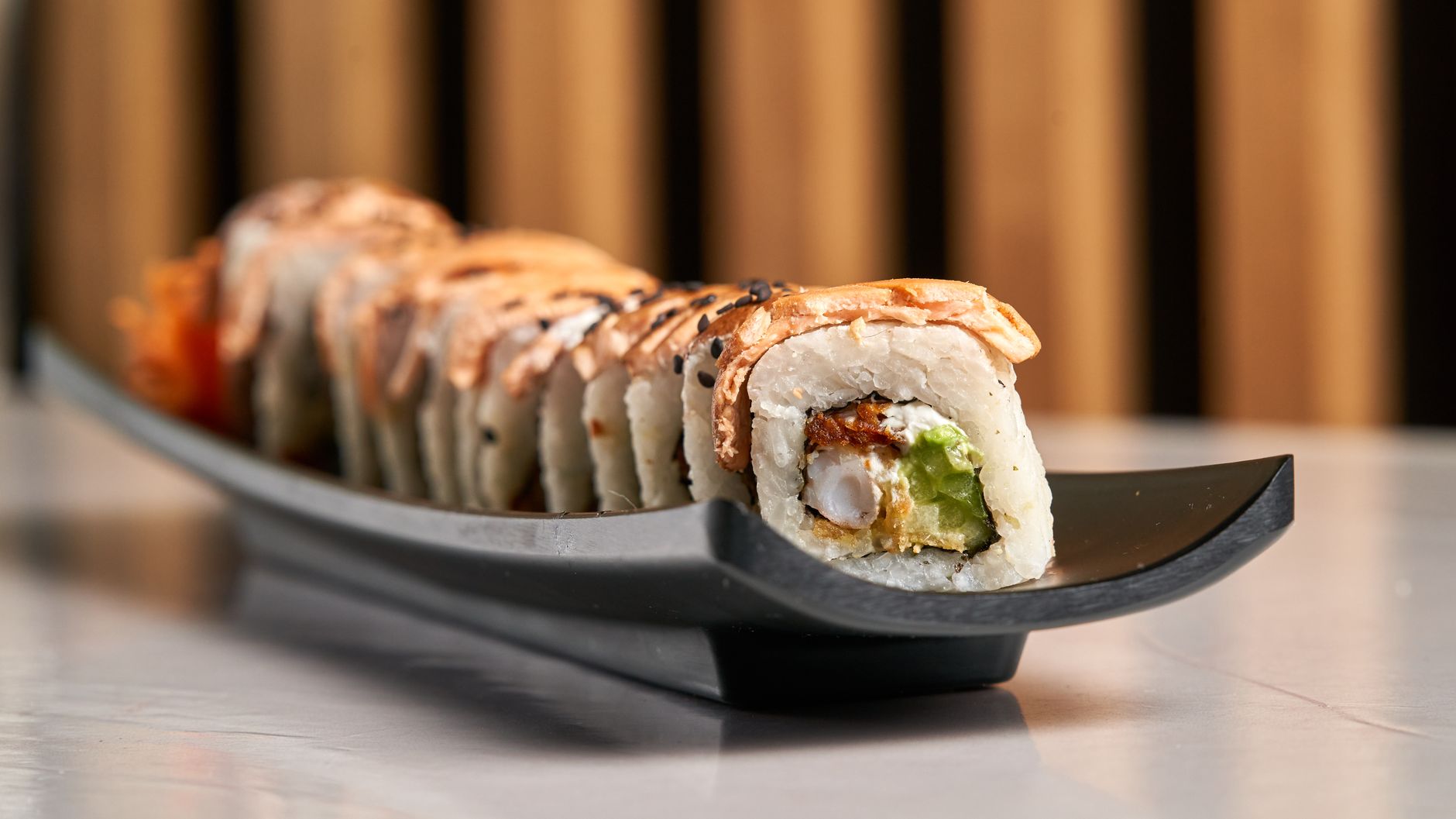
At the forefront of this transformation is the dramatic rise in popularity of umami-dense toppings and sauces, specifically those influenced by Japanese and Southeast Asian street food traditions. Mentai, a savory and creamy condiment made from salted cod roe mixed with mayonnaise, has moved beyond specialized sushi establishments into mainstream fast-casual dining. Commercial suppliers report a surge in demand for processed roe blends and stable emulsified sauces as operators incorporate the topping onto fries, rice bowls, and grilled poultry.
This rapid adoption reflects a broader trend wherein consumers prioritize complex, rich, and slightly spicy flavor combinations over traditional classic sauces. Restaurant consultants indicate that adding mentai or similar savory glazes allows operators to command higher price points on standard menu items with minimal increases in labor costs. Because these compound sauces can be prepared in advance or purchased in bulk, kitchen lines maintain speed while delivering elevated perceptual value to patrons who seek trendy food experiences.
Simultaneously, the commercial food sector is witnessing a massive realignment around digestive wellness and gut health. Consumer spending data suggests that diners no longer view healthy options merely as low-calorie or low-fat choices. Instead, modern guests seek ingredients that offer active biological benefits, with fermented foods, prebiotics, and probiotic-rich beverages leading the category growth.
Establishments are responding by expanding their beverage and pantry offerings to include naturally fermented items like kombucha, kefir, kimchi, and house-made pickles. According to reporting by Prabumulih Pos, the integration of these functional elements is no longer restricted to health-focused juice bars or niche vegetarian cafes. Major casual dining chains are actively testing fermented glazes, probiotic dressings, and gut-friendly botanical mocktails to capture health-conscious spenders who prefer dining out without compromising their wellness routines.
This dual focus on indulgence and wellness creates unique operational challenges and opportunities for restaurant groups. On one hand, maintaining stocks of perishable fermented products requires precise inventory management and cold chain storage. On the other hand, marketing these functional benefits allows operators to construct narrative-driven menus that appeal to younger demographics who prioritize personal wellness and holistic nutrition in their daily spending habits.
To keep pace with these forecast developments, wholesale distributors are altering their sourcing strategies to ensure steady supplies of specialized ingredients. Sourcing high-quality cod roe, botanical extracts, and raw fermented bases requires stronger partnerships with regional producers and international trade networks. Procurement officers face the task of stabilizing input costs against unpredictable global trade patterns and seasonal ingredient shortages.
Furthermore, menu engineering teams are working to blend these contrasting trends into cohesive dining concepts. The crossover between rich indulgence and functional health has spawned menu items that combine savory, high-flavor condiments with nutrient-dense bases like ancient grains, leafy greens, and lean proteins. Kitchens that successfully bridge this gap are finding higher customer retention rates and improved margins across lunch and dinner shifts.
Labor dynamics within commercial kitchens are also shifting as preparation methods change. Training back-of-house staff to properly store, handle, and present delicate sauces and living fermented foods demands updated standard operating procedures. Restaurant managers are investing in specialized refrigeration units and standardized portioning tools to maintain consistency, reduce food waste, and prevent cross-contamination during peak service hours.
For the average consumer, these industry adjustments mean that everyday dining options will soon feature far more sophisticated and varied flavor profiles. Diners can expect to see creamy, umami-rich sauces like mentai appearing on standard pub menus, fast-food sides, and neighborhood bistro dishes. This democratization of global flavors ensures that exciting, high-end taste profiles become widely accessible at various price points.
Additionally, consumers seeking healthier dining alternatives will find it much easier to make wellness-focused choices without sacrificing taste or convenience. As restaurants incorporate gut-friendly ingredients into standard dishes, enjoying a meal that supports digestive health will no longer require visits to specialized health food markets. Menu labeling will increasingly highlight functional benefits, allowing guests to make informed dining decisions wherever they choose to eat.
Ultimately, these shifts will offer diners greater value and variety during every restaurant visit. As competition drives operators to innovate, guests will benefit from higher quality ingredients, creative fusion concepts, and menus that cater directly to modern lifestyle preferences. Whether seeking intense comfort foods or nutrient-rich meals, consumers will enjoy unprecedented access to tailored culinary options.
Sources and methodology
Reported from the public datasets below.
- Bureau of Labor Statistics (BLS) - Consumer Price Index, food away from home
- Federal Reserve Economic Data (FRED) - Food services and drinking places series
- U.S. Census Bureau - Monthly Retail Trade, food services
- Bureau of Labor Statistics (BLS) - Consumer Price Index, food away from home
- Federal Reserve Economic Data (FRED) - Food services and drinking places series
- U.S. Census Bureau - Monthly Retail Trade, food services
More from the Foodie Pundit Newsroom
- Borough Market Prepares For Multi-Million Pound Site Revamp And New Restaurant Expansion
- Fast Food Value Wars Return as Restaurant Chains Battle for Traffic
- Salad Alert: Iceberg Lettuce Outbreak Hits 9th State As FDA Investigates Parasite Risks
- Vegas Has A Secret Steak Deal
- That Bag of California Almonds? It Probably Came From an Underwater Farm.