GLP-1 Adoption Reshapes Restaurant Economics and Consumer Menu Cravings
Appetite-suppressing weight loss drugs are altering consumer preferences, forcing restaurants and food manufacturers to redesign menus, adjust portion sizes, an
By Foodie Pundit Newsroom - Published - Updated - Section: Glp1 Weight Loss
Key points
- Widespread use of GLP-1 medications is reducing demand for high-fat, high-sugar, and alcoholic menu items.
- Restaurants are introducing smaller portion sizes and high-protein options to protect average check margins.
- Packaged food manufacturers are reformulating products to prioritize higher protein, higher fiber, and functional nutrition.
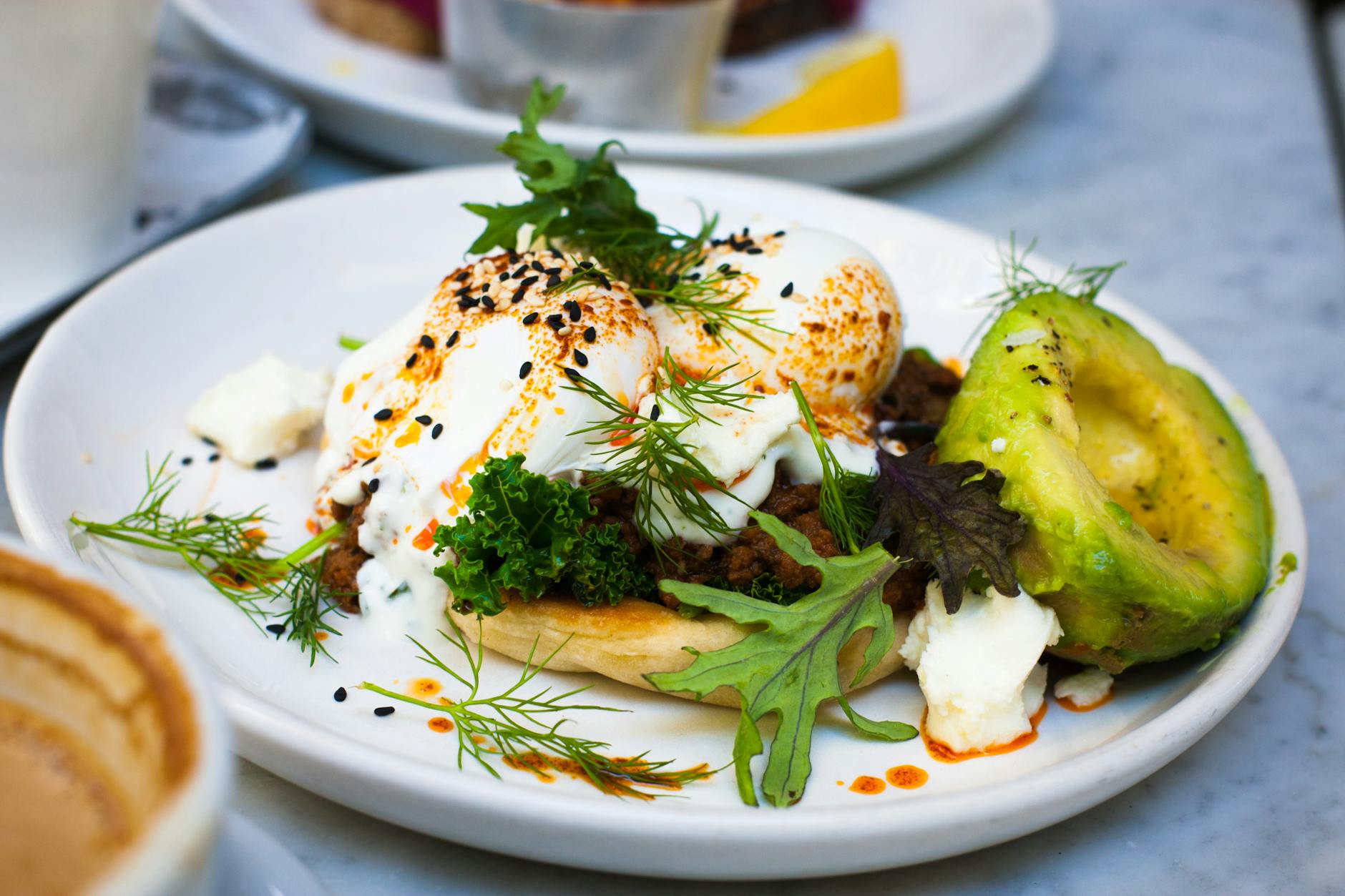
- Long term profitability in hospitality will favor operators that offer nutrient-dense, flavorful small plates and elevated mocktails.
The rapid rise of glucagon-like peptide-1 receptor agonists is beginning to alter consumer eating patterns across the United States. These medications, originally designed to manage type 2 diabetes, have seen widespread adoption for chronic weight management. As tens of millions of Americans secure prescriptions, the broader food system is experiencing a subtle yet profound shift in daily demand patterns. Restaurant operators and food manufacturers are monitoring these behavioral changes carefully to adjust their product offerings and long-term business strategies.
According to reporting from Food Industry Executive, the physiological impact of these medications directly targets the neural pathways responsible for appetite and food cravings. Patients taking the injections report a significant reduction in food noise, the persistent mental preoccupation with eating. This neurological damping effect leads consumers to naturally select smaller portion sizes and decline rich, high-calorie menu items. Consequently, traditional high-margin menu offerings are seeing fluctuating sales volumes in markets with high drug adoption rates.
The specific categories facing the most immediate pressure include sugary beverages, fried appetizers, and heavy desserts. Diners on these medication regimens frequently report an intense aversion to greasy or overly sweet foods. Instead, their preferences lean toward nutrient-dense, high-protein meals that help preserve lean muscle mass during rapid weight loss. This behavioral evolution is forcing culinary development teams to re-evaluate their core recipes and ingredient sourcing practices.
RESTAURANTS RETHINK PORTIONS AND MENU LAYOUTS
Hospitality brands are experimenting with flexible portion sizes to retain guests who no longer possess the appetite for traditional casual dining entrees. Half-portion options, customizable small plates, and nutrient-focused ala carte items are becoming increasingly common on mainstream menus. By offering scaled-down versions of popular dishes, operators hope to prevent diners on weight loss regimens from skipping restaurant outings entirely.
The economic challenge for operators lies in maintaining profitability while average check sizes shrink. High-calorie starters, alcoholic drinks, and impulse-buy desserts traditionally generate the highest profit margins for full-service establishments. As GLP-1 users routinely pass on these add-ons, restaurant managers must find creative ways to structure prices without triggering guest pushback. Some brands are testing premium protein add-ons and specialized wellness beverages to offset the drop in traditional appetizer sales.
Beverage programs are experiencing a parallel transformation as consumer enthusiasm for alcohol and high-sugar drinks declines. Industry data suggests that GLP-1 medications can dampen the brain reward mechanisms associated with alcohol consumption. In response, bar managers are expanding their non-alcoholic options, introducing sophisticated mocktails and functional low-sugar beverages to capture revenue from patrons who no longer order traditional cocktails or beer.
Packaged food manufacturers are similarly re-engineering their product portfolios to match changing consumer cravings. Large food conglomerates are investing heavily in reformulated recipes that emphasize higher fiber and protein content per serving. Additionally, consumer packaged goods companies are releasing smaller package sizes designed for individuals who eat smaller meals throughout the day.
Market researchers note that the shift in consumer demand is not merely about eating less food, but about eating differently. Snacking habits are moving away from ultra-processed chips and candies toward functional snack bars, high-protein yogurts, and pre-portioned nuts. Brands that fail to adjust their product formulations risk losing shelf space to emerging wellness-focused labels that align more closely with the dietary needs of GLP-1 users.
Retail grocery chains are also adjusting their inventory purchasing models based on these shifting volume trends. Buyers are reallocating promotional budgets toward fresh produce, lean meats, and fortified dairy products. Meanwhile, center-store packaged goods categories associated with high sugar or saturated fat content are seeing more conservative inventory orders from major retail distribution networks.
THE LONG TERM ECONOMIC FORECAST FOR DINING
Financial analysts predict that the long term impact on the hospitality industry will depend heavily on medication insurance coverage and long-term patient retention rates. If drug prices fall and insurance access broadens, the percentage of the population using GLP-1 therapies could expand substantially over the next decade. Such a scenario would permanently alter baseline calorie consumption trends across the entire domestic food ecosystem.
Despite these headwinds, industry experts emphasize that the trend creates clear opportunities for innovative food businesses. Establishments that proactively highlight high-quality ingredients, clean protein sources, and nutrient density are well positioned to capture market share. Culinary teams that can create deeply flavorful, nutrient-dense small plates will likely outperform competitors relying on oversized, high-fat comfort foods.
The key for future commercial success lies in adaptability rather than resistance to changing diner habits. As consumer preferences shift away from sheer volume toward nutritional quality, food businesses must refine their value propositions. The operators who successfully navigate this transition will view the rise of appetite-suppressing therapies not as a threat, but as a catalyst for menu innovation.
For the everyday diner, these industry shifts mean you will likely see a much wider variety of menu choices tailored to smaller appetites and protein-focused diets. Restaurants will offer more high-quality small plates, flexible portion sizes, and sophisticated non-alcoholic drink options at various price points. Grocery store shelves will similarly feature a broader array of nutrient-dense snacks and scaled-down package sizes designed for lighter eating. Ultimately, consumers will gain greater control over how much they order without sacrificing flavor or dining out with friends.
Sources and methodology
Reported from the public datasets below.
More from the Foodie Pundit Newsroom
- How the Girl Dinner Trend Is Reshaping Restaurant Menus and Retail Sales
- British Grocery Inflation Outpaces European Rivals as Household Budgets Suffer
- Fine Dining Icon Tom Colicchio Pivots to Fast Casual Arena
- Shin Sushi Opens in Clermont Landing With All-You-Can-Eat Menu
- New York City Hospitality Sector Sees Autumn Surge With Fresh Wave of Restaurant Openings