GLP-1 Cravings Shift Forces Restaurant and Retail Sectors to Rethink Menus
As GLP-1 weight-loss medications reshape consumer palates and suppress food cravings, restaurants and food manufacturers face a fundamental transformation in di
By Foodie Pundit Newsroom - Published - Section: Glp1 Weight Loss
Key points
- GLP-1 medications alter neural reward pathways, reducing cravings for high-fat and sugary foods.
- Restaurant chains face revenue pressures as diners skip high-margin items like desserts and alcohol.
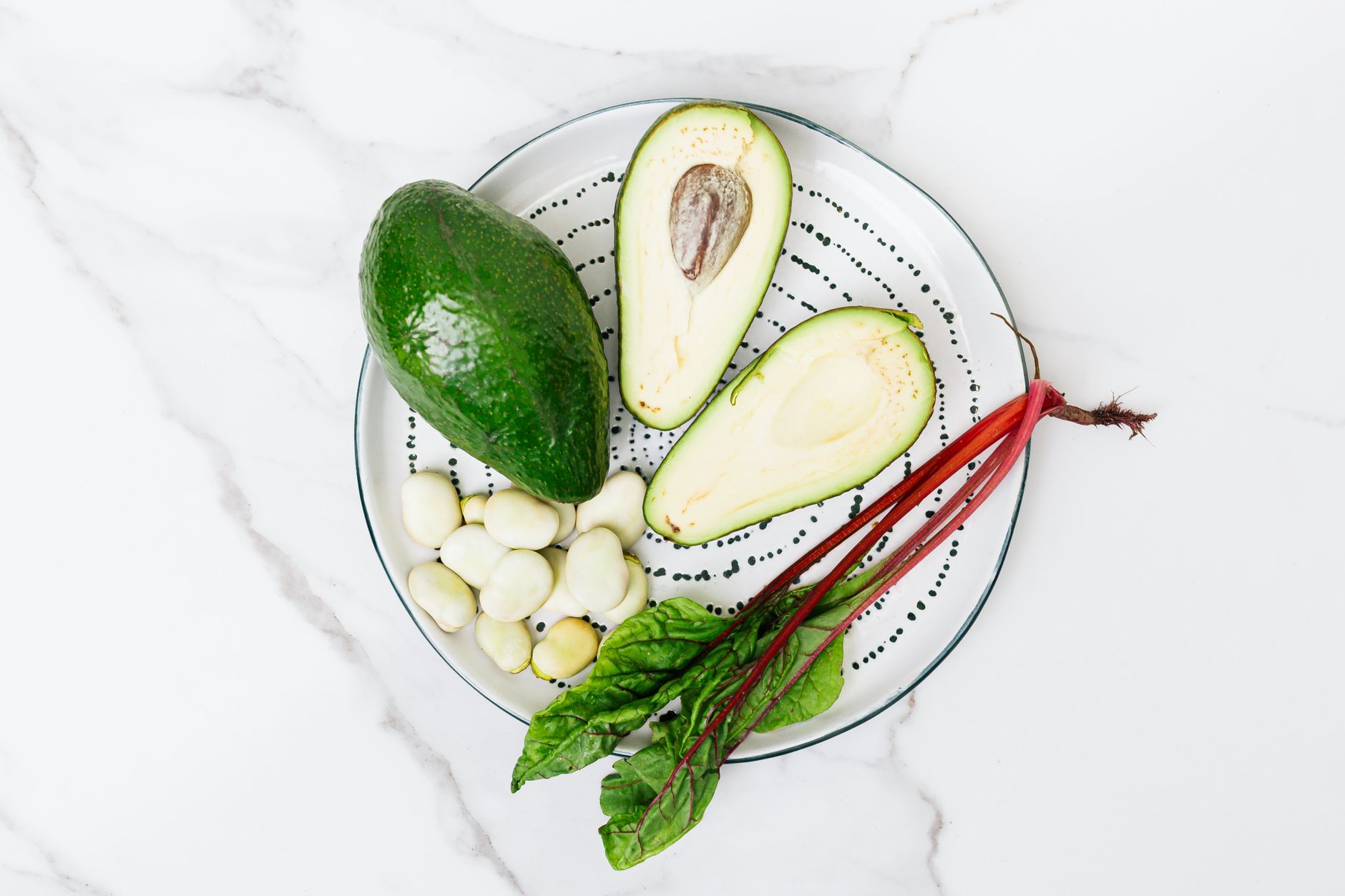
- Grocery purchases among users are shifting away from processed snacks toward lean proteins and fresh produce.
- Food manufacturers are reformulating products to cater to smaller appetites and functional nutrition needs.
The rapid rise of glucagon-like peptide-1 receptor agonists, commonly known as GLP-1 medications, is reshaping consumer behavior far beyond the clinical setting. Commercial brands including Ozempic and Wegovy have moved from specialized diabetes treatment to mainstream weight management tools. As millions of Americans begin these drug regimens, food industry analysts are closely watching how altered human biology is beginning to disrupt restaurant revenue models and grocery purchasing patterns.
Reporting from TODAY indicates that patients on GLP-1 drugs frequently experience profound shifts in their sensory perception of food. Beyond simply reducing overall appetite, these medications appear to alter the brain reward centers associated with specific culinary cravings. High-fat items, sugary desserts, and heavily processed foods often lose their appeal entirely. In some cases, patients report that long-cherished comfort foods suddenly taste unpalatable or induce mild nausea.
GLP-1 receptor agonists work by mimicking a natural hormone that regulates blood sugar and slows stomach emptying. They also interact directly with the central nervous system, specifically targeting areas of the brain responsible for satiety and impulse control. When a person consumes food while taking these medications, the neural reward feedback loop that normally makes fried or sweet foods so pleasurable is muted. The brain no longer delivers the same dopamine spike in response to high-calorie treats.
As a result, patients often report an immediate decline in what researchers call food noise, the constant background thoughts about meals and snacks. This psychological shift alters daily dietary choices long before physical weight loss becomes noticeable. Consumers who previously gravitated toward savory fast food or late-night pastries find themselves seeking out light, fresh, and protein-rich alternatives. The shift is not merely about eating less food overall, but about desiring fundamentally different categories of sustenance.
For the restaurant industry, these changing sensory profiles pose a direct economic challenge. Traditional dining business models rely heavily on high-margin add-ons such as appetizers, alcoholic beverages, and desserts. As GLP-1 adoption expands across demographic groups, diner interest in these profitable menu items is dropping. Guests are increasingly ordering smaller main courses, sharing entrees, or skipping additional courses altogether.
Casual dining chains and fast-food operators are particularly vulnerable to these behavioral changes. Establishments that built their brand identities around large portion sizes and hyper-palatable meal combinations are seeing subtle shifts in consumer mix. When rich menu items no longer trigger a pleasurable brain response, value propositions based on volume lose their effectiveness. Restaurant operators must now reconsider menu engineering to retain patrons whose palates have transformed almost overnight.
The packaged food sector is facing a parallel transformation as grocery shopping lists reflect new biological realities. Market research indicates that households with a GLP-1 user purchase significantly fewer sugary snacks, carbonated soft drinks, and ultra-processed convenience items. Conversely, sales of nutrient-dense options, including Greek yogurt, lean meats, fresh produce, and high-protein beverages, are experiencing steady growth. Major food manufacturers are already adjusting their product pipelines to account for this shifting consumer demand.
Several multinational food conglomerates have begun quietly reformulating product lines to appeal to consumers with reduced appetites. Smaller portion packages, nutrient-fortified snacks, and options with lower glycemic indices are being fast-tracked through corporate test kitchens. Product developers recognize that as drug availability increases and prices eventually decrease, the subset of consumers experiencing altered cravings will expand. Companies that fail to adapt risk losing market share to agile brands focused on metabolic health.
While the full economic impact of GLP-1 medications will take years to manifest completely, early indicators suggest a permanent recalibration of food marketing. Fast-casual dining concepts that emphasize customizable, nutrient-rich meal bowls are uniquely positioned to benefit from these trends. These formats allow diners to precisely calibrate protein and fiber content while avoiding heavy fats and rich sauces that GLP-1 users commonly reject.
Furthermore, the shift in cravings is accelerating a broader cultural trend toward functional eating. Consumers are increasingly viewing food through the lens of nutritional density rather than pure indulgence. Hospitality brands that can offer sophisticated, flavor-forward dishes without relying on excess butter, sugar, or deep frying will likely dominate the market over the next decade. The challenge for chefs and culinary directors is to create memorable taste experiences that satisfy patrons whose neurological response to food has been fundamentally rewritten.
If you are currently taking a GLP-1 medication, your sudden disinterest in familiar favorite foods is a well-documented physiological response rather than a personal anomaly. Expect your grocery bills to shift away from pre-packaged snacks and sweet beverages toward fresh ingredients and lean proteins. When dining out, you may find greater satisfaction at fast-casual restaurants that allow item customization rather than traditional venues focused on large, rich portions.
For food industry professionals and home cooks alike, this trend underscores the growing importance of nutrient-dense culinary design. Menus and home recipes will increasingly need to prioritize bright, acid-forward, and protein-rich profiles over heavy fats and refined carbohydrates. As consumer cravings continue to evolve, the businesses and brands that succeed will be those that offer high-quality nutrition in manageable, appealing portions.
Sources and methodology
Reported from the public datasets below.
More from the Foodie Pundit Newsroom
- Beyond the Hype: How GLP-1 Weight Loss Drugs Are Permanently Rewiring Food Product Development
- How GLP-1 Appetite Suppressants Are Rewiring Restaurant Menus and Consumer Cravings
- How Weight Loss Medications Are Transforming Grocery Shopping and Restaurant Menus
- Changing Taste Buds and Curbed Cravings Force a Strategic Shift in Restaurant Economics
- How GLP-1 Medications Are Transforming Consumer Cravings and Forcing Menu Innovations