GLP-1 Weight Loss Drugs Force Major Shift Across Food and Restaurant Industries
Weight loss medications are altering consumer buying patterns, forcing restaurants, grocers, and beverage brands to overhaul their menus and product lines.
By Foodie Pundit Newsroom - Published - Section: Beverages
Key points
- GLP-1 medications reduce overall caloric intake and food noise, leading consumers to buy fewer high-calorie snacks, desserts, and alcoholic drinks.
- Restaurants are introducing smaller portions, high-protein options, and zero-proof cocktails to offset declining traditional check sizes.
- Grocery retailers and packaged food brands are reallocating shelf space toward functional beverages, lean proteins, and high-fiber products.
- Industry analysts view GLP-1 adoption as a permanent economic shift, driving long-term investment in healthier food reformulation.
The rapid rise of GLP-1 receptor agonists like Ozempic, Wegovy, and Mounjaro is no longer just a medical headline. It has evolved into a seismic economic event for the food, grocery, and dining industries. As tens of millions of Americans adopt these appetite-suppressing medications, consumer spending patterns are shifting in real time. Restaurant operators, packaged food giants, and local grocery chains are scrambling to adapt to an audience that eats smaller portions, craves higher protein, and increasingly skips sugary indulgences.
According to reporting by USA Today, the behavioral shift among GLP-1 users is immediate and pronounced. Consumers on these treatments report a dramatic reduction in food noise, the constant mental obsession with snacking and upcoming meals. Consequently, overall caloric intake drops significantly, leading to smaller restaurant orders, fewer impulse purchases at checkout aisles, and a distinct pivot toward nutrient-dense items.
For the restaurant industry, the proliferation of weight-loss drugs presents a complex revenue challenge. Establishments have traditionally relied on high-margin add-ons like appetizers, alcoholic beverages, and desserts to boost average check sizes. As GLP-1 users routinely forgo these extras, operators are noticing a decline in total ticket totals, even when foot traffic remains steady.
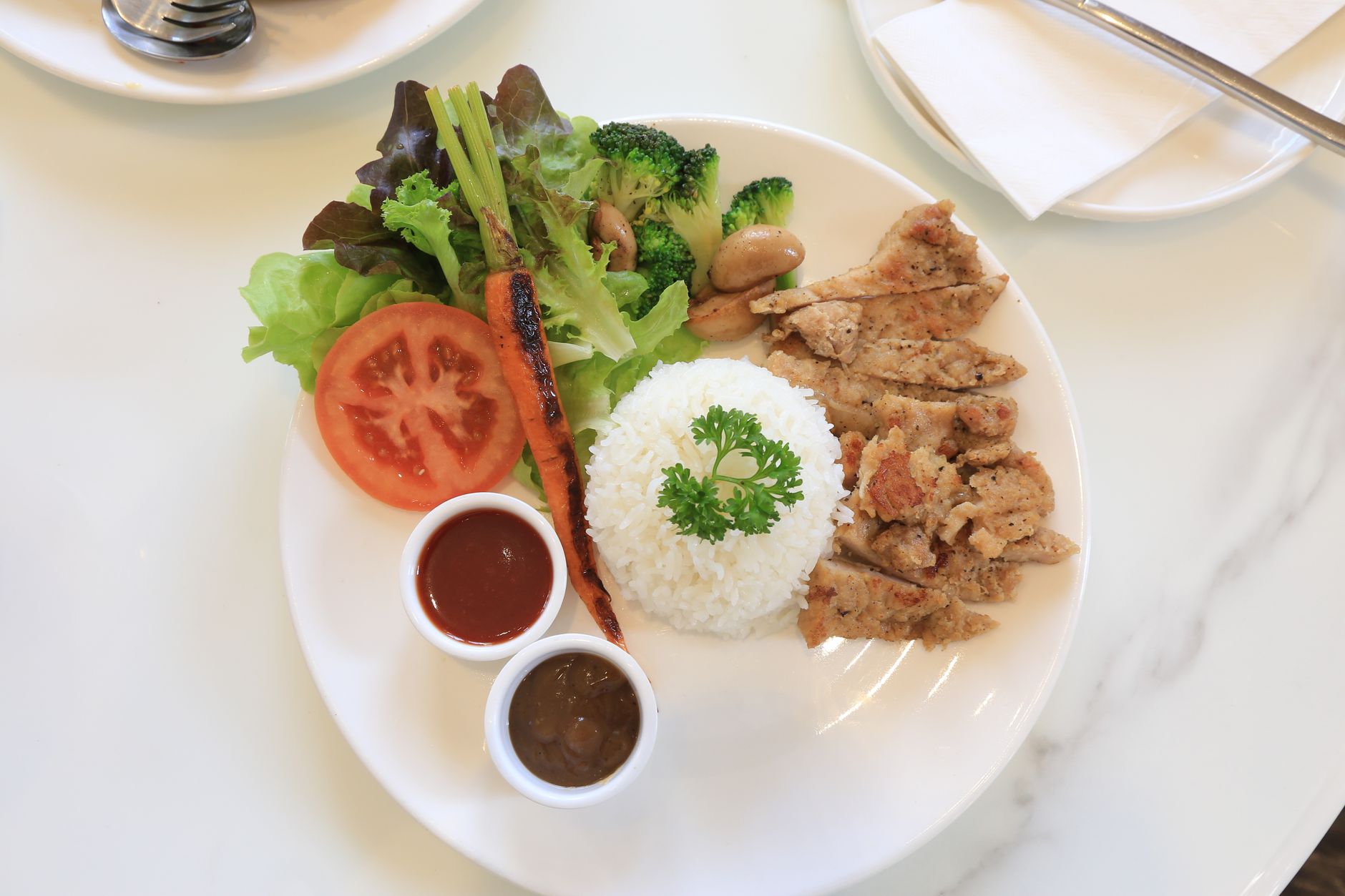
To counter this trend, forward-thinking restaurant chains and independent diners are altering their menu design. Smaller portion sizes, often marketed as half-portions, small plates, or casual bites, are moving from the fringes to the center of standard menus. By offering curated smaller options at accessible price points, operators can maintain guest frequency and preserve profit margins without forcing patrons to leave half their food uneaten.
Beyond portion size, flavor profiles and nutritional content are undergoing a parallel evolution. GLP-1 patients frequently experience nausea or altered taste preferences when consuming overly greasy, fried, or ultra-processed foods. In response, kitchens are leaning into cleaner, brighter flavors that emphasize lean proteins, fiber-rich grains, and fresh produce. High-protein claims, once reserved for gym-focused fast-casual concepts, are becoming standard positioning across mainstream dining segments.
The retail grocery sector is experiencing a similar realignment. Major consumer packaged goods companies are analyzing household purchasing data to track how spending alters when a family member begins GLP-1 therapy. The findings indicate a sharp drop-off in salty snacks, carbonated soft drinks, and bakery sweets, paired with a surge in functional beverages, Greek yogurt, lean meats, and produce.
Grocery executives are adjusting shelf space to reflect these changing habits. High-protein snack bars, ready-to-drink protein shakes, and electrolyte supplements are securing prime eye-level real estate. Meanwhile, center-store packaged snack food manufacturers are quietly resizing packages and launching lower-calorie, high-fiber product lines to retain market share among health-conscious buyers.
Supermarket chains are also leveraging their pharmacy departments to capture integrated wellness spending. By placing dietary supplements, gut-health remedies, and GLP-1 friendly companion foods adjacent to pharmacy counters, retailers hope to offset potential losses in traditional snack corridors.
Perhaps no segment faces a more direct impact than the beverage and alcohol industry. One of the primary side effects noted by GLP-1 users is a diminished desire for alcohol. Nightclubs, bars, and casual dining chains are observing lower sales of high-proof spirits, heavy craft beers, and sugary cocktails.
In response, the non-alcoholic and low-ABV beverage market is booming. Zero-proof spirits, functional botanicals, and low-sugar mocktails are no longer simple afterthoughts on drink menus. They are now profitable, sophisticated menu drivers designed to keep non-drinking guests engaged in social dining experiences. Premium prices for complex non-alcoholic cocktails allow venues to recoup lost revenue from traditional wine and liquor sales.
Similarly, the soft drink sector is accelerating its push away from full-sugar sodas toward sparkling waters, prebiotic tonics, and zero-sugar variants. Beverage brands are positioning these products not merely as diet alternatives, but as daily wellness companions that support digestive health and hydration.
While some food executives initially viewed weight-loss medications as a temporary fad, economic analysts now consider them a permanent structural force. Wall Street firms have revised long-term growth estimates for several food and beverage categories, urging companies to diversify their product portfolios toward health and wellness.
Investment is flowing heavily into product reformulation and functional food development. Food scientists are working to create rich sensory experiences using natural ingredients that satisfy smaller appetites without causing digestive discomfort. Companies that adapt quickly to these changing preferences are outperforming competitors anchored in traditional high-volume, low-nutrient food models.
Furthermore, supply chain logistics are shifting to accommodate fresh, perishable ingredients over long-shelf-life packaged goods. As consumer demand swings toward fresh produce and chilled proteins, distribution networks are recalibrating cold-storage capacity and local sourcing arrangements to meet demand.
For the average consumer, these industry adjustments mean greater flexibility and higher quality options across both restaurant menus and supermarket shelves. Diners will increasingly find thoughtfully designed smaller portions that do not feel like an afterthought, allowing for balanced meals at lower individual price points.
Shoppers can expect continued innovation in functional foods, high-protein snacks, and sophisticated zero-proof drinks. Whether you are taking GLP-1 medications or simply seeking balanced nutrition, the food landscape is pivoting toward options that prioritize quality, density, and digestion over sheer volume.
Sources and methodology
Reported from the public datasets below.
More from the Foodie Pundit Newsroom
- CPG Mergers and Acquisitions Prepare for Massive Resurgence Across Food Sector
- Packaged Food M&A Surge Set to Reshape Supply Chains
- Consumer Packaged Goods Acquisitions Prepare to Accelerate Across Food Industry
- The Economics of Alcohol-Free Brews as Sober Curious Movement Transforms Beverage Retail
- Big Food Is Preparing to Swallow Your Favorite Niche Grocery Brands