Grocery Giants Albertsons and Safeway Fail to Block 14 Years of Opioid Claims in Washington State Lawsuit
A Seattle judge has cleared the way for a massive trial, ruling that Albertsons and Safeway must face over a decade of claims that their pharmacies fueled the
By Foodie Pundit Newsroom - Published - Updated - Section: Policy Regulation
Key points
- A Washington judge struck down a statute-of-limitations defense, meaning Albertsons and Safeway can be held liable for 14 years of pharmacy activity.
- The lawsuit alleges the grocery giants failed to act as gatekeepers, ignoring red flags and allowing prescription opioids to be diverted into the community.
- The outcome could have massive financial consequences, potentially impacting grocery store stability and the independent businesses that rely on them as anchor tenants.
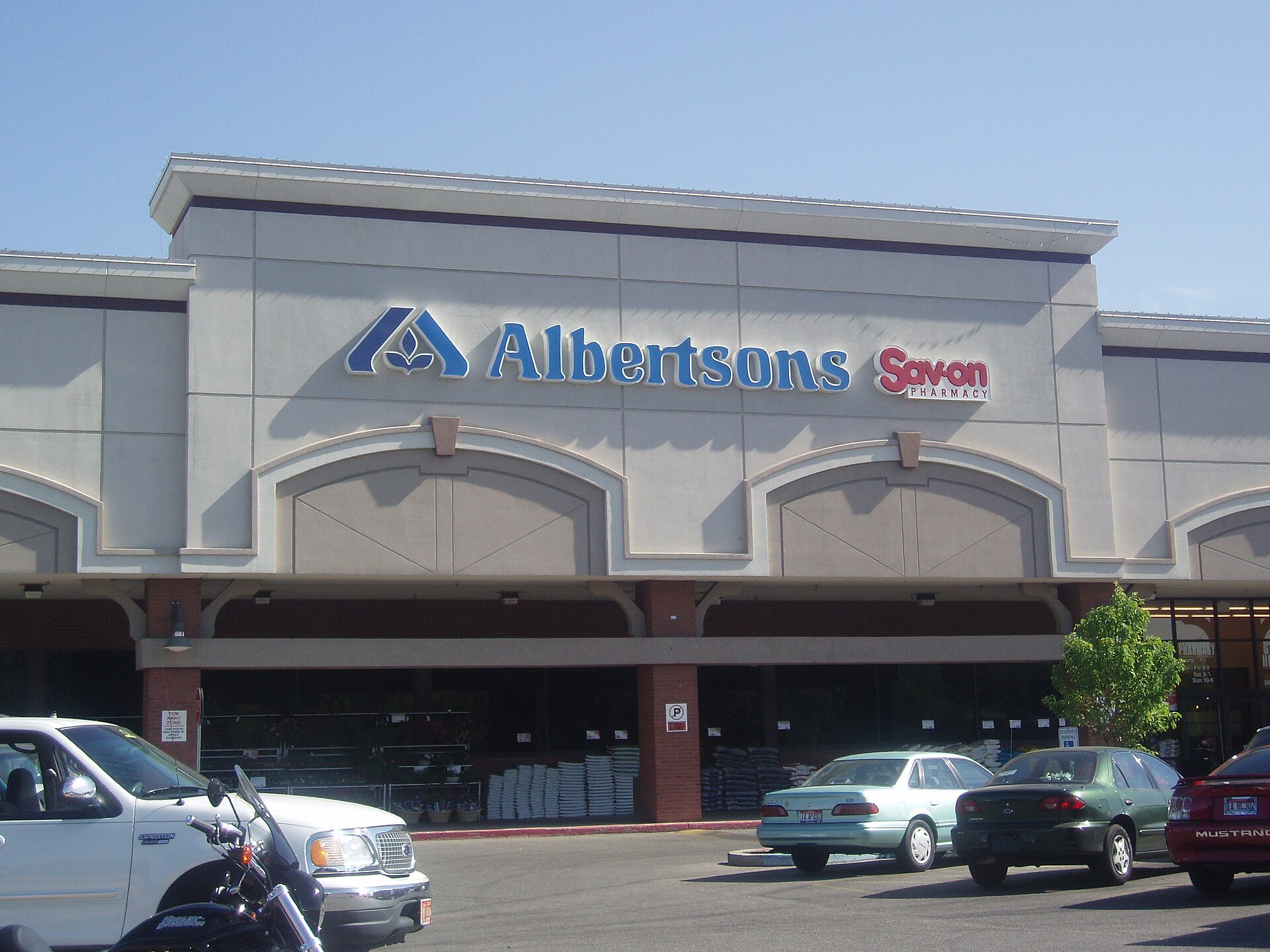
In a move that has sent shockwaves through the corporate boardrooms of grocery giants, a Seattle judge has officially greenlit a massive legal battle against Albertsons and its subsidiary, Safeway. The State of Washington is moving forward with a lawsuit that claims these massive neighborhood hubs were not just selling kale and kombucha, but were allegedly responsible for fueling the state's opioid crisis through their pharmacy operations.
The most explosive part of this recent ruling? The judge completely struck down the companies' attempt to use a statute-of-limitations defense. In plain English, Albertsons and Safeway tried to argue that many of the state's claims were too old to be heard in court.
They wanted to wipe the slate clean for over a decade of activity. The judge said no. Now, the grocery titans are on the hook for a staggering 14 years' worth of claims regarding how they dispensed prescription painkillers.
For the average foodie or the local restaurant owner, this might feel like a medical or pharma issue. But it is deeply rooted in the food retail ecosystem. Grocery stores are the anchors of our neighborhoods.
When the largest grocers in the Pacific Northwest face a legal reckoning of this magnitude, it changes the financial landscape for the entire industry. We are looking at a potential courtroom drama that traces 14 years of corporate decisions, pharmacy logs, and distribution patterns. Who is On The Hook
The defendants in this case are heavyweights in the food and retail space. Albertsons Companies Inc. and Safeway Inc. are the primary targets. For those who do not track corporate mergers like we do, Safeway has been under the Albertsons umbrella for years. This makes the combined entity one of the largest food and drug retailers in the United States.
On the other side of the courtroom sits the State of Washington. The state's legal team is aggressive and has been systematically targeting every link in the opioid supply chain, from the manufacturers to the distributors, and finally, to the retailers. By taking on Albertsons and Safeway, the state is targeting the "last mile" of the crisis. These are the places where people go to get their weekly groceries, pick up dinner, and, crucially, fill their prescriptions.
The fact that the judge dismissed the statute-of-limitations defense means that the corporate leadership of these companies must now answer for decisions made as far back as 2010. This is not just about current management. It is a historical audit of how these grocery chains operated their pharmacies during the peak of the opioid epidemic. Grocery stores pushed pills, state says
The core of Washington's argument is that Albertsons and Safeway pharmacies were irresponsible. The state alleges that the retailers failed to maintain effective controls against the diversion of prescription opioids. In the legal world, "diversion" means that drugs intended for legitimate medical use ended up the hands of people who were not the intended patients or were used for non-medical purposes.
The state claims that these grocery stores ignored red flags. These red flags could include "pill mill" doctors who wrote an unusually high volume of prescriptions or patients who traveled long distances just to fill a script at a specific Safeway or Albertsons location. The lawsuit suggests that the retailers prioritized profit margins over the safety of the communities they serve.
By failing to act as a gatekeeper, the state argues, these grocery chains contributed to a public health crisis that has cost lives and billions of dollars in taxpayer money. The grocery stores, of course, deny these allegations. They have historically argued that their pharmacists were simply filling valid prescriptions written by licensed doctors.
However, the legal standard for pharmacies has shifted. They are now expected to be an active line of defense, not just a passive middleman. Financial Fallout
While a specific dollar amount for damages has not been locked in yet, the financial implications are, quite frankly, terrifying for the grocery industry.
We have seen similar cases against pharmacy giants like CVS and Walgreens result in settlements totaling billions of dollars.
Because Albertsons and Safeway are now facing a 14-year window of liability, the potential "back pay" for the damage caused to the State of Washington could be astronomical.
For the food industry, this is a massive liability sinkhole. Albertsons is already in the middle of a complex, highly scrutinized merger attempt with Kroger. Huge legal liabilities like this opioid case can complicate those deals. If a company has a multi-billion dollar legal cloud hanging over its head, it affects its stock price, its ability to invest in new store formats, and its power to negotiate with food suppliers.
When a major grocer faces a financial hit of this size, they often look for ways to recoup that money. This can lead to tighter margins for the food brands that sell on their shelves or, in some cases, higher prices for consumers. It is a ripple effect that starts in a Seattle courtroom and ends at your local checkout counter. Big Tobacco Parallels
If this feels like déjà vu, that is because we have seen this playbook before. The legal strategy being used against grocery pharmacies is nearly identical to the one used against Big Tobacco in the 1990s. The state acts as the plaintiff, suing on behalf of the public's health and seeking to recover the massive costs of healthcare, emergency services, and social programs.
In the 1990s, tobacco companies were forced to sign the Master Settlement Agreement, paying out hundreds of billions of dollars. The opioid litigation is the modern equivalent. By targeting retailers like Albertsons and Safeway, the State of Washington is asserting that every company that profited from a harmful product bears responsibility for the fallout.
Just as the tobacco settlements changed how cigarettes were marketed and sold in convenience stores and supermarkets, this case will likely change how grocery stores operate forever. We could see a future where the pharmacy department is no longer an "easy add-on" for grocery chains, but a high-risk, high-regulation zone that requires much more corporate oversight than a deli or a bakery. How this screws up your local cafe
You might be wondering what a pharmacy lawsuit has to do with a local bistro or a trendy taco spot. The answer lies in the ecosystem of our neighborhoods. Independent restaurants often thrive in the "orbit" of large grocery stores. A Safeway or an Albertsons acts as an anchor tenant for a shopping center, bringing in the foot traffic that helps smaller food businesses survive.
If these major retailers are forced to pay out massive settlements, it can lead to store closures or a reduction in staff. A "dark" grocery store (one that has closed down) is a death sentence for the independent coffee shop or lunch spot next door. The foot traffic disappears overnight.
Furthermore, there is the issue of labor. The pharmacy technicians and grocery workers who keep these stores running are part of the same labor pool as the restaurant industry. When a major employer like Albertsons faces financial distress, it destabilizes the local economy.
It affects the disposable income of the people who eat at local restaurants. If the neighborhood anchor is struggling under the weight of a decade-plus of legal claims, the entire local "foodie" economy feels the squeeze.
There is also the matter of insurance and corporate risk. When a sector of the retail industry (grocery pharmacies) is hit with huge lawsuits, insurance premiums for the entire retail and hospitality sector often go up. Insurance companies see "retail" as a broad category.
If one part of it is litigation-prone, everyone pays more. For a small restaurant owner already struggling with rising food costs, another hike in insu
Sources and methodology
Reported from the public datasets below.
More from the Foodie Pundit Newsroom
- The Enzyme That Went Rogue: Inside the Shocking Link Between Your Pancreas and a Hidden Cellular Switch
- The Zero-Proof Economy: How Non-Alcoholic Beverages Are Redefining Restaurant Margins and Home Bars
- That Fancy Kitchen Gadget You Splurged On? It Might Have a Dark Secret
- SF dining flexes, adapts to survive modern hellscape
- Mexican Gastronomy Drives Regional Economies and Global Dining Shifts