Grocery Price Pressures Ease as Key Food Categories See Welcome Relief
A cooling trend in food inflation is bringing relief to select supermarket aisles while other staple items remain expensive.
By Foodie Pundit Newsroom - Published - Updated - Section: Grocery Cpg
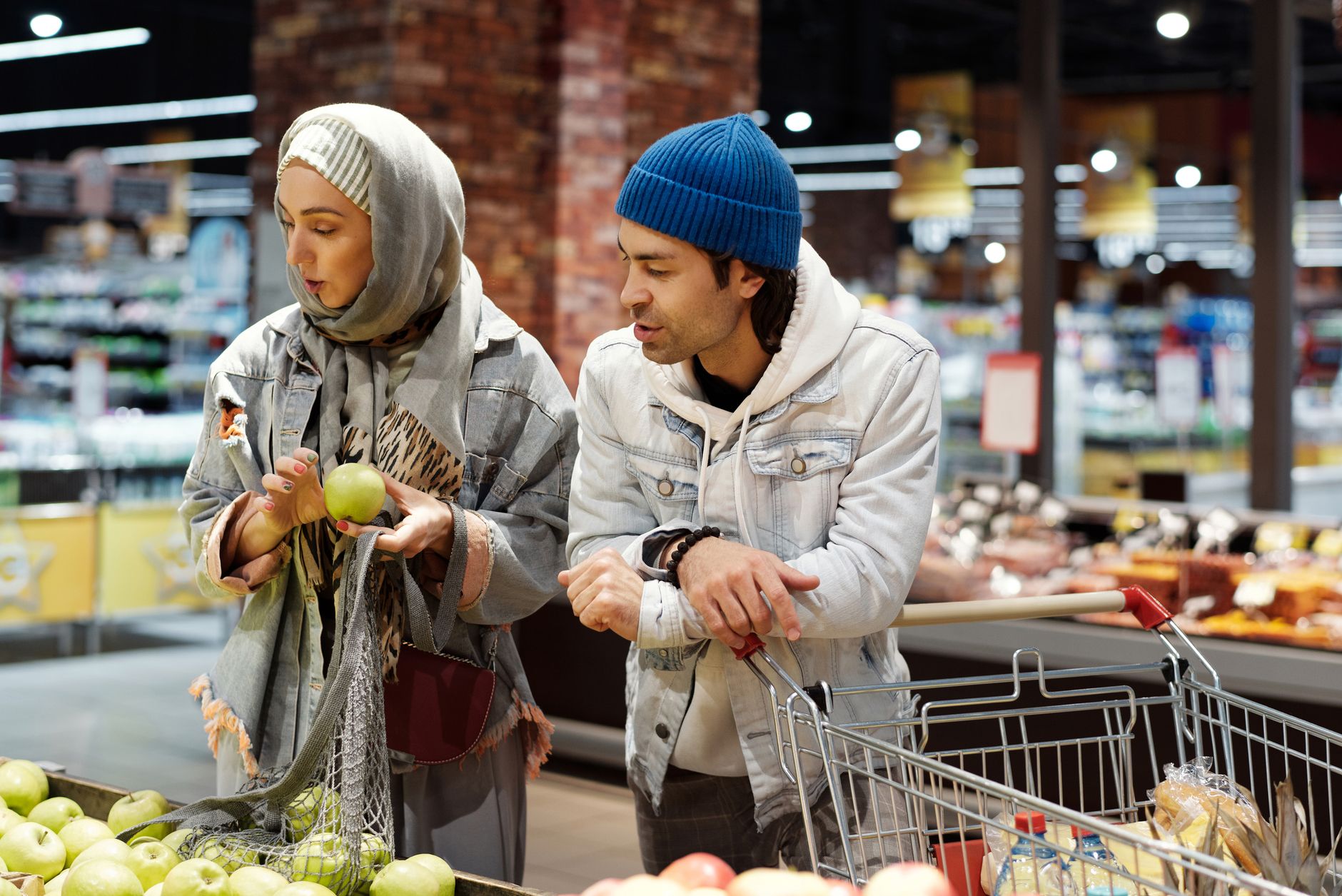
Key points
- Overall food inflation is slowing, with egg, dairy, and poultry prices experiencing noticeable declines.
- Beef and packaged processed goods remain persistently expensive due to supply constraints and higher manufacturing overhead.
- Grocers are expanding promotional discounts, digital coupons, and store-brand options to capture budget-conscious shoppers.
- Strategic meal planning focusing on perimeter fresh goods provides the most immediate relief for household budgets.
Grocery shoppers across the nation are beginning to notice subtle shifts at the checkout counter as federal inflation data indicates a broad cooling in food prices. While the overall cost of living remains elevated compared to historical averages, recent economic reports highlight a significant deceleration in grocery price increases. The shift offers a long-awaited reprieve for households that have weathered consecutive years of aggressive food inflation. Supermarket operators and industry analysts are closely watching these pricing trends to determine how consumer spending patterns will evolve in the coming months.
According to reporting from Supermarket News, the broader trend of disinflation is finally making its way into several key food categories. Disinflation does not mean prices are returning to pre-pandemic levels across the board, but rather that the rate of increase has flattened substantially. In some prominent cases, prices for high-volume consumer staples are actually beginning to decline year over year. Understanding where these price reductions are occurring allows consumers to adjust their weekly meal planning and stretch their household budgets further.
The most pronounced price drops are visible in dairy, poultry, and select produce aisles. Egg prices, which reached record highs due to widespread avian flu outbreaks and supply chain bottlenecks, have experienced a dramatic normalization as flock sizes recovered. Milk and cheese products have also seen downward price adjustments, driven by steady domestic milk production and lower feed costs for dairy farmers. These reductions are providing immediate relief to families whose weekly purchases rely heavily on basic refrigerated items.
Fresh produce has similarly shown encouraging signs of price stabilization, though localized weather events still create brief volatility. Abundant harvests for staple vegetables like potatoes and onions have helped push shelf prices lower in major retail chains. Citrus and farm-fresh fruits are seeing balanced supply and demand dynamics, which keeps wholesale costs manageable for regional grocers. When transportation fuel costs stabilize, shipping produce across state lines becomes less expensive, allowing retailers to pass those operational savings directly to shoppers.
Despite widespread improvements in staple goods, several grocery categories continue to demand premium prices. Processed packaged goods, frozen meals, and brand-name snack foods remain persistently expensive. Food manufacturers cite ongoing increases in labor, packaging materials, and facility operations as the primary reasons these center-store items have not followed the downward trend of fresh perimeter goods. Additionally, long-term supply agreements mean wholesale price shifts take longer to reflect on retail shelves for packaged products.
Meats, particularly beef, continue to present a mixed financial picture for consumer cart totals. Cattle herd numbers in the United States reached historical lows following prolonged droughts in major grazing states, limiting beef supply and keeping retail cuts near all-time highs. While pork and chicken prices have softened to balance the meat department portfolio, beef remains a major driver of elevated checkout totals. Shoppers looking to keep protein costs down are increasingly shifting toward poultry, pork, or plant-based alternatives to avoid high beef prices.
RETAILER STRATEGIES AND PROMOTIONAL SHIFTS
Supermarket operators are actively adjusting their merchandising strategies to match changing consumer mindsets. During the height of inflation, retailers reduced promotional discounts and focused on maintaining store inventory amid product shortages. Today, grocers are reintroducing aggressive weekly circular deals, digital coupons, and loyalty program discounts to win back price-sensitive shoppers. Private-label store brands continue to expand their market share as consumers realize store-brand staples offer high quality at significantly lower price points.
Competition between traditional supermarkets, mass merchants, and hard discount chains is intensifying across the country. Discount grocery chains are expanding their store footprints, forcing conventional supermarkets to adjust their pricing structures on high-visibility items like bread, butter, and cereal. To maintain profit margins while offering competitive prices, many grocers are investing in automated distribution centers and enhanced digital supply chain tracking. These operational efficiency gains help offset store-level wage increases without forcing additional price hikes onto consumers.
American households have developed sophisticated shopping habits over the past two years of elevated food costs. Multi-store shopping has become common, with consumers buying bulk pantry goods at club stores while relying on regional grocers for weekly fresh items. Digital coupon apps and cash-back rewards platforms have seen record user engagement as shoppers aggressively look for ways to trim total spending. This heightened price transparency makes it difficult for brands to raise prices without seeing an immediate drop in sales volume.
The shift toward home cooking remains strong, even as dining out options adapt to changing economic conditions. While the price gap between grocery food and restaurant meals narrowed slightly during recent months, cooking at home remains substantially more cost-effective for most families. As grocery prices stabilize further, consumers are expected to maintain their home-meal habits, though they may upgrade the quality of ingredients they purchase for home preparation.
For the average household, the current economic shift means your weekly grocery bill should stop rising at the stressful rates seen over the past two years. While you should not expect total grocery totals to return to pre-2020 levels, strategic shopping can yield noticeable savings right now. Focusing your purchases on fresh perimeter items like dairy, poultry, and seasonal produce will deliver the biggest budget relief, while purchasing store-brand alternatives for packaged pantry goods will insulate your budget from persistent center-store inflation.
Monitoring local store circulars and leveraging digital loyalty programs will yield higher savings than in recent years as grocers compete for your business through deeper promotions. Swapping high-cost proteins like beef for chicken or pork remain an effective way to lower receipt totals immediately. By staying flexible with your meal plans and watching category-specific price trends, you can effectively manage your household food budget and maximize the value of every dollar spent at the checkout.
Sources and methodology
Reported from the public datasets below.
More from the Foodie Pundit Newsroom
- How Rising Global Temperatures Are Driving Up Supermarket Checkout Totals
- Grocery Inflation Cools as Key Staples Offer Long-Awaited Relief at the Checkout Counter
- How the Ice Cream Croissant Became the Restaurant Industry's Hot Summer Margin Generator
- Butter Boards Capitalize on Viral Visuals and Low Food Costs to Challenge Charcuterie
- How Supermarkets Are Using Private Labels to Combat Inflation and Retain Shoppers