Ground Beef Contamination Spreads as Salmonella Outbreak Hits 10 States
Federal health officials are racing to contain a multi-state salmonella outbreak linked to ground beef, prompting widespread consumer alerts and industry
By Foodie Pundit Newsroom - Published - Updated - Section: Food Safety
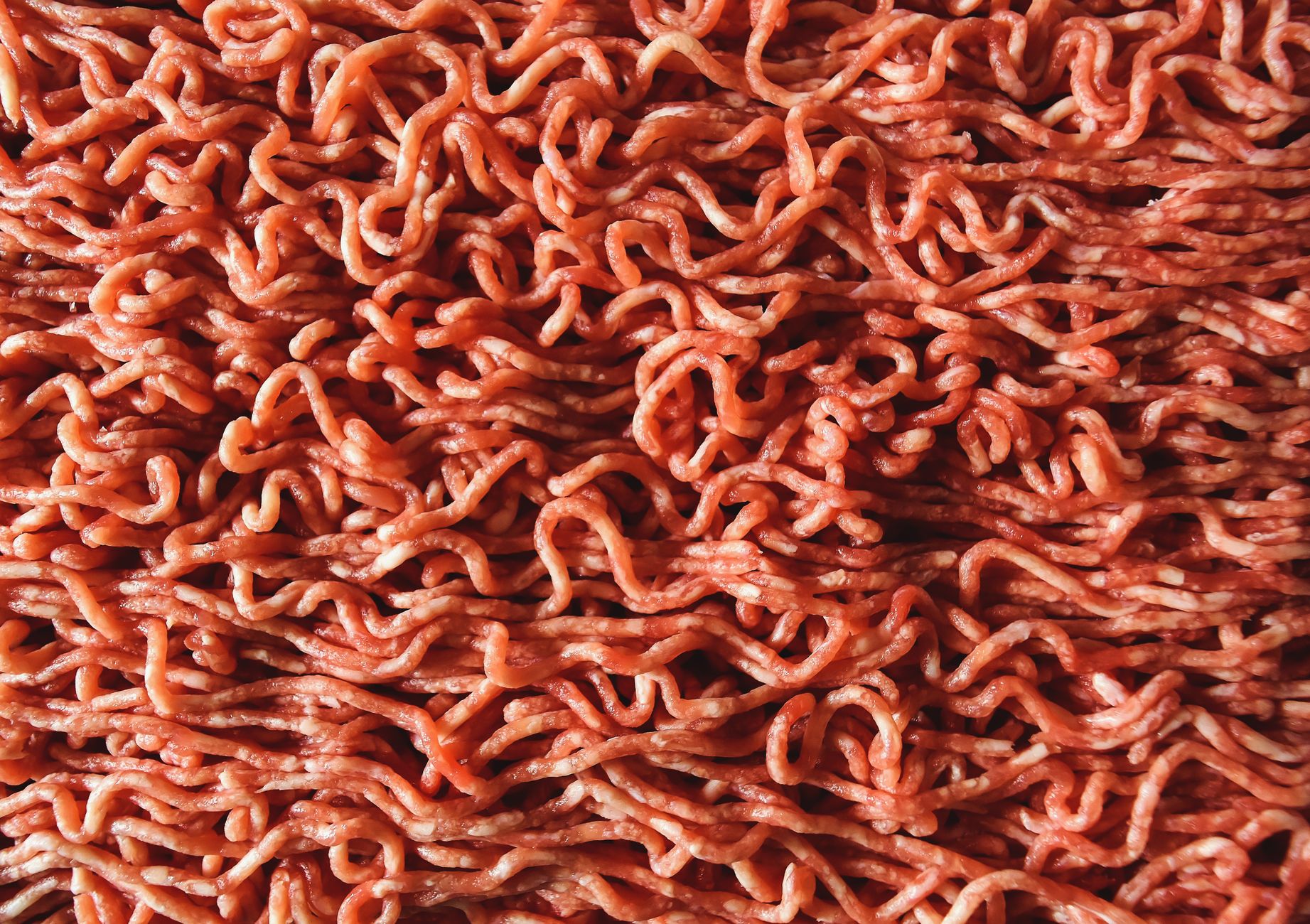
Key points
- A multi-state Salmonella Dublin outbreak linked to ground beef is under investigation, with a higher-than-usual hospitalization rate due to the strain's severity.
- The complex nature of the ground beef supply chain, where meat from many sources is combined, makes tracing the contamination source extremely difficult for investigators.
- Unlike E. coli, Salmonella is not legally considered an "adulterant" in raw beef, a regulatory distinction that is being increasingly challenged by public health advocates.
- Consumers are urged to cook all ground beef to an internal temperature of 160 degrees Fahrenheit and to practice strict kitchen hygiene to prevent cross-contamination.
- The outbreak is expected to have a significant economic impact on the beef industry through recalls, lost sales, and diminished consumer trust, while also renewing calls for stricter food safety regulations.
The United States is currently grappling with a significant and expanding public health challenge. A multi-state outbreak of Salmonella Dublin, a strain of the bacteria known for causing more severe illness, has been linked to contaminated ground beef, placing health officials in ten states on high alert and prompting urgent warnings to consumers nationwide. The Centers for Disease Control and Prevention (CDC), in collaboration with the U.S. Department of Agriculture’s Food Safety and Inspection Service (FSIS), is leading the investigation into the outbreak that has already resulted in numerous hospitalizations and raised serious questions about the safety of the nation's meat supply chain.
The outbreak has cast a harsh spotlight on the complexities of modern food production and distribution. As of the latest reports, illnesses have been confirmed across a wide geographic area, signaling a potentially widespread contamination event. Investigators are working tirelessly to trace the source of the contaminated ground beef, a process complicated by the extensive network of processors, distributors, and retailers that bring meat from the farm to the consumer's table.
This situation echoes previous foodborne illness outbreaks, serving as a stark reminder of the persistent vulnerabilities within the food system. The original reporting on this issue by NBC News highlighted the initial scramble by health officials, a scramble that has now intensified into a full-blown federal investigation.
The financial and reputational stakes are immense. For the beef industry, an outbreak of this magnitude can lead to staggering economic losses, stemming from product recalls, lost sales, and a decline in consumer confidence. For consumers, the threat is more personal, turning a staple of the American diet into a potential source of severe illness. The CDC has been clear in its guidance, urging the public to take specific precautions when handling and consuming ground beef until the source of the contamination is definitively identified and contained.
The CDC's initial alert painted a concerning picture. Unlike more common strains of salmonella that typically cause gastrointestinal distress, Salmonella Dublin is known to be more invasive, often leading to bloodstream infections, which can be life-threatening, particularly for vulnerable populations. These groups include the elderly, young children, and individuals with compromised immune systems. The higher rate of hospitalization associated with this outbreak underscores the gravity of the public health threat.
The multi-state nature of the outbreak suggests that the contaminated product was distributed broadly. Health officials have reported cases in states from the West Coast to the East, indicating a distribution network that spans a significant portion of the country. This wide distribution pattern makes the task of tracing the contamination back to a single source, or multiple sources, exceptionally challenging. Investigators must meticulously review supply chain records, conduct extensive product testing, and interview patients to piece together the puzzle.
The human cost of the outbreak is the most pressing concern. Public health departments in the affected states are working to identify new cases, provide medical guidance, and educate the public on safety measures. The symptoms of Salmonella Dublin infection can include fever, diarrhea, and abdominal cramps.
However, the potential for the bacteria to enter the bloodstream elevates the risk profile significantly, leading to a more severe illness that requires immediate medical attention and often hospitalization. The CDC has emphasized that anyone experiencing these symptoms after consuming ground beef should seek medical care immediately.
The investigation into a foodborne illness outbreak is a complex, methodical process that combines epidemiology and laboratory science. The FSIS and CDC are at the forefront of this effort, employing advanced techniques like whole genome sequencing to analyze the genetic makeup of the salmonella bacteria collected from infected individuals. This technology allows scientists to identify the specific "fingerprint" of the outbreak strain, helping them determine if cases of illness are related and linking them back to a common food source.
Once a cluster of illnesses with the same genetic fingerprint is identified, epidemiologists conduct detailed interviews with the sickened individuals. These interviews cover everything the person ate in the days and weeks before they became ill. When a significant number of people report eating the same food item, in this case, ground beef, that item becomes a primary suspect.
The next step involves tracing the ground beef back through the supply chain. Investigators work backward from the point of purchase, examining records from grocery stores, restaurants, and distributors to pinpoint the processors and slaughterhouses that supplied the meat.
This traceback process is fraught with challenges. The ground beef supply chain is notoriously complex. A single package of ground beef can contain meat from hundreds, or even thousands, of different animals, processed at multiple locations.
This co-mingling of meat makes it incredibly difficult to isolate the exact point of contamination. Despite these hurdles, the FSIS is legally empowered to access company records and conduct on-site inspections to follow the trail of the suspect product. The goal is to identify the contaminated lots and issue a targeted recall to remove the dangerous product from the market as quickly as possible.
The role of laboratory testing is crucial. FSIS investigators collect samples of ground beef from retail locations and processing plants for testing. If the outbreak strain of Salmonella Dublin is found in a product sample, it provides a definitive link, or a "smoking gun," that can trigger a recall and provide concrete evidence for the source of the outbreak. However, by the time an outbreak is detected, the contaminated product may have already been consumed or discarded, making it difficult to find positive samples.
GROUND BEEF AND SALMONELLA: AN ONGOING CHALLENGE
Ground beef has long been identified as a significant vehicle for foodborne pathogens, including salmonella and E. coli. The grinding process itself can contribute to the risk.
When beef is ground, bacteria present on the surface of the meat can be mixed throughout the entire batch. If even one animal carries the bacteria, the grinding process can contaminate a large volume of product. This is why public health officials consistently advise consumers to cook ground beef to a safe internal temperature, which is 160 degrees Fahrenheit, to kill any harmful bacteria.
The current outbreak highlights a critical regulatory gap. While E. coli O157:H7 is considered an "adulterant" in ground beef, meaning that products found to contain it cannot be legally sold, salmonella is not.
The USDA currently classifies salmonella as a naturally occurring bacterium. This means that raw beef contaminated with salmonella can still be sold to consumers, with the expectation that proper cooking will eliminate the risk. Many public health advocates and consumer groups have argued for years that certain strains of salmonella, particularly antibiotic-resistant or highly virulent strains like Salmonella Dublin, should also be classified as adulterants.
This policy difference has significant implications for public health. Because salmonella is not an adulterant, routine testing for its presence in raw ground beef is not mandatory in the same way it is for E. coli.
The industry relies on preventative measures and process controls to minimize contamination, but as this outbreak demonstrates, these measures are not always sufficient. The debate over declaring certain salmonella strains as adulterants is likely to be reignited by this event, putting pressure on regulatory agencies to reconsider their stance in the face of mounting public health concerns.
Furthermore, the issue of antibiotic resistance is a compounding factor. Salmonella Dublin, the strain involved in this outbreak, has shown resistance to multiple antibiotics in past outbreaks. This resistance can make infections more difficult to treat, leading to longer hospital stays and an increased risk of complications. The use of antibiotics in animal agriculture is a contributing factor to the rise of antibiotic-resistant bacteria, a global health crisis that extends far beyond this single outbreak.
The beef industry is acutely aware of the damage that a major food safety incident can inflict. The financial consequences of a large-scale recall can be devastating for the companies involved. Direct costs include the expense of retrieving and destroying the recalled product, but the indirect costs are often far greater. These include damage to the brand
Sources and methodology
Reported from the public datasets below.
More from the Foodie Pundit Newsroom
- Miami's World Cup Economy: How Restaurants Are Rewriting Menus, Staffing, and Reservations for 2026
- Why Are Mason Jars Suddenly Flying Off the Shelves Again?
- Beyond Tacos and Tequila: Why Mexican Cuisine is Having its Main Character Moment
- Sip Smarter: Why Your Grocery Store's Drink Aisle is Getting a Major Makeover
- NYC May Restaurant Shakeup Signals Major Shift In Metropolitan Hospitality Real Estate