Growers Rebuild Soil Infrastructure to Secure Yields and Lower Input Costs
Commercial growers are shifting toward regenerative practices to rebuild soil biology, stabilize farm economics, and protect crop yields against extreme weather
By Foodie Pundit Newsroom - Published - Updated - Section: Sustainability
Key points
- Farmers are replacing heavy chemical inputs with biological management to build natural nutrient cycles and improve drought resilience.
- Regenerative techniques like no-till drilling and cover cropping significantly reduce farm expenditure on synthetic fertilizers and fuel.
- Commercial food buyers and restaurant operators are integrating soil metrics into supply chain procurement to meet sustainability goals.
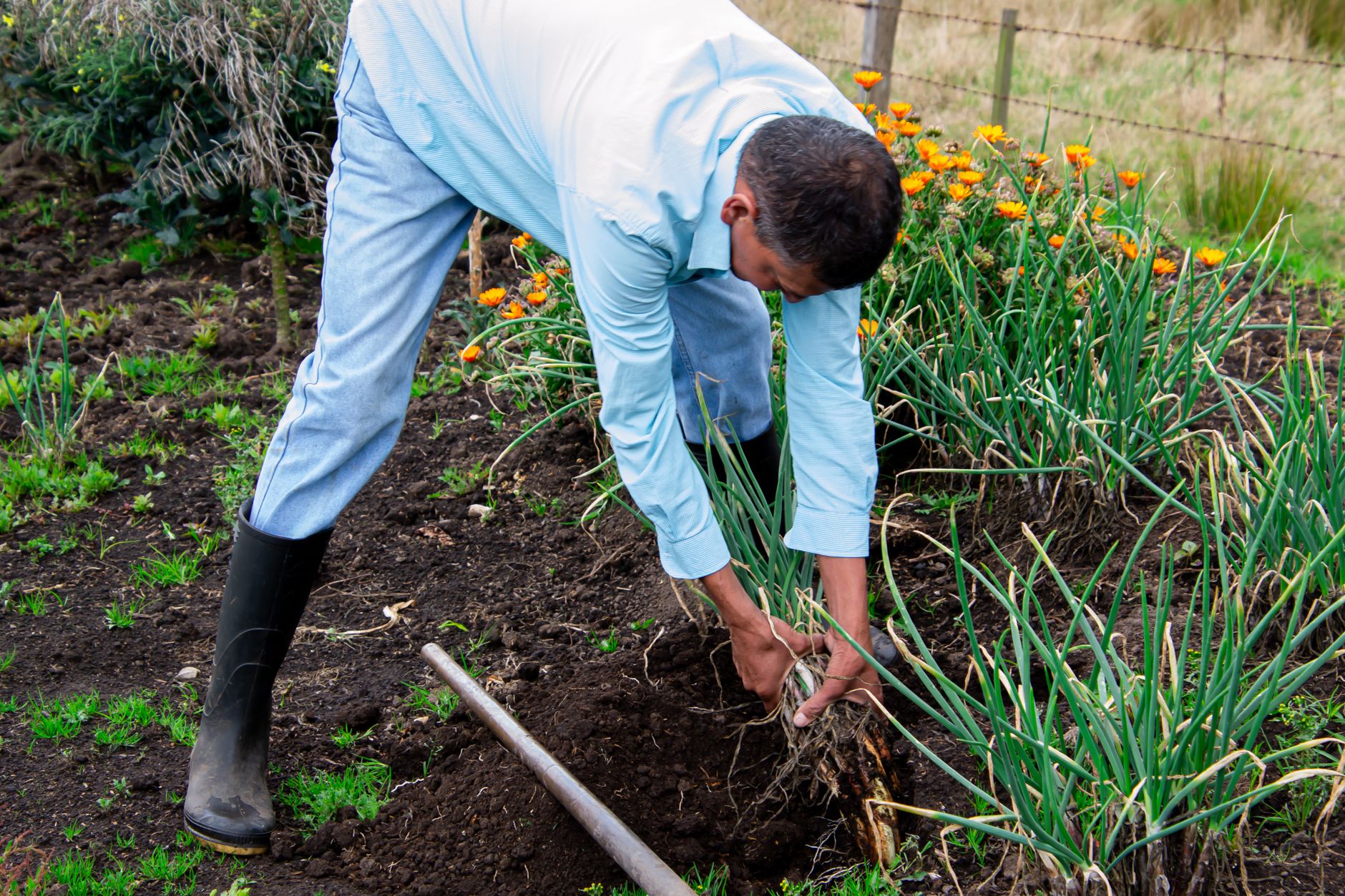
Agricultural producers across major farming regions are fundamentally changing how they manage field biology to secure long term crop yields. Recent reporting from EurekAlert! highlights a rapid transition toward regenerative soil management practices among both large scale and specialty growers. Farmers are moving away from traditional industrial inputs in favor of biological solutions that rebuild subterranean ecosystems. This shift represents a direct response to volatile weather patterns, rising fertilizer costs, and shifting consumer expectations surrounding environmental stewardship.
For decades, commercial farming prioritized short term yield metrics through heavy reliance on synthetic fertilizers and intensive tillage. While this approach maximized initial output, it gradually depleted the natural microflora and organic carbon within the soil matrix. Modern agricultural operations now face the reality of degraded ground that requires increasingly expensive chemical intervention to maintain basic productivity levels. Regenerative agriculture offers a systemic alternative that focuses on restoring the living biological infrastructure beneath the surface.
At the center of this movement is a practical recognition that healthy ground functions as a complex biological engine. By minimizing mechanical disruption and planting diverse cover crops during off seasons, growers create optimal conditions for beneficial fungi, bacteria, and earthworms. These organisms build soil structure, convert atmospheric nitrogen into usable plant nutrients, and improve water infiltration rates significantly. A resilient subterranean ecosystem allows cash crops to develop deeper root systems, making them far less vulnerable to seasonal heat waves or prolonged dry spells.
The economic incentives driving this technological transition are increasingly difficult to ignore. Synthetic nitrogen and phosphate inputs have experienced severe price swings over recent years due to global supply chain disruptions and geopolitical energy volatility. By cultivating natural nutrient cycling through biological soil management, farmers can reduce their reliance on purchased synthetic inputs. Early adopters report substantial cost savings on fertilizer, diesel fuel, and chemical sprays without sacrificing overall harvest volumes.
REGENERATIVE PRACTICES IN COMMERCIAL SCALE
Implementing these ecological techniques requires sophisticated management and specialized equipment. Strip tillage and no-till drills allow operators to plant seeds directly into undisturbed earth, preserving delicate fungal networks that traditional plowing destroys. Meanwhile, multi-species cover crop blends are tailored to address specific soil deficiencies, such as compaction or low organic matter. Ground cover also suppresses weed growth naturally, reducing the need for post-emergent herbicide applications throughout the growing season.
Water conservation represents another critical operational benefit of enhanced soil organic matter. Every one percent increase in soil organic carbon allows the land to hold thousands of gallons of additional water per acre. This improved moisture retention capacity cushions commercial crops against short term precipitation deficits and reduces irrigation pumping costs for operations using groundwater. During heavy rainfall events, well-structured ground absorbs water rapidly rather than allowing precious topsoil and nutrients to wash into local watersheds.
The effects of this agricultural evolution are already rippling through the commercial food supply chain. Restaurant buyers, commercial food processors, and grocery retailers are paying close attention to farm level soil practices as part of their broader corporate sustainability mandates. Traceability initiatives increasingly track not just where food was grown, but how the underlying land was managed during cultivation. Major food enterprise brands are contracting directly with regenerative producers to ensure consistent raw material supply while meeting public climate targets.
For commercial kitchen operators, produce sourced from biologically active soils often delivers superior shelf life and consistent quality. Dense subterranean microbiology improves plant nutrient uptake, which directly influences crop firmess, natural sugar development, and flavor complexity. Diners are simultaneously demanding higher standards regarding environmental impact, creating strong market pull for menu items linked to verified regenerative sourcing programs. Direct partnerships between regional restaurant groups and forward thinking growers are becoming a strategic advantage in competitive dining markets.
Despite the clear long term operational benefits, shifting a working farm to regenerative methods involves financial risk and a multi-year learning curve. Yields can temporarily drop during the initial transition period while beneficial biological populations reestablish themselves in previously degraded ground. Equipment modifications require upfront capital expenditure, and management practices must be adjusted continuously based on local weather and field conditions. Consequently, financial institutions and crop insurance providers are developing customized financing products to help producers navigate the three to five year transition window smoothly.
Government policy and carbon offset markets are also stepping in to accelerate farm level adoption rates. Federal conservation grants help offset the cost of cover crop seed and specialized mechanical equipment for participating operations. Concurrently, private carbon credit programs offer annual payments to growers who verifiably store atmospheric carbon in their field soils through reduced tillage and cover cropping. These additional revenue streams help stabilize farm finances while biological systems rebuild to optimal baseline capacity.
For restaurant owners, chefs, and hospitality leaders, the widespread adoption of sustainable soil management directly impacts menu planning and ingredient procurement strategies. A resilient agricultural base helps stabilize wholesale produce prices by protecting crops against extreme climate disruptions that typically drive spot market volatility.
Procurement officers should begin building relationships with distributors that track and verify regenerative field practices. Highlighting these sustainable sourcing partnerships on menus allows restaurant brands to differentiate themselves, satisfy conscious consumer demand, and build a more reliable supply chain for key agricultural commodities over the coming decade.
Sources and methodology
Reported from the public datasets below.
More from the Foodie Pundit Newsroom
- General Mills Reports Major Profit Gain as Strategic Price Increases Lift Margins
- Why the Viral Cottage Cheese Dessert Craze Is Falling Flat
- Fast Food Chains Eyed For Nashville Hot Menu Expansion As Spicy Competition Heats Up
- Korean Culinary Trends Go Viral as Next Wave of Street Food Hits Global Markets
- Beyond Meat Launches Revised Product Line with Nationwide Retail Expansion