Kimchi on Burgers and Shrub Cocktails Prove Fermentation Has Moved Way Past Niche Health Food
Restaurant operators are leaning into probiotic ingredients and complex tangy flavors to satisfy wellness conscious consumers and stretch kitchen inventory.
By Foodie Pundit Newsroom - Published - Section: Restaurants
Key points
- Fermented foods like kimchi, miso, and kefir are moving from niche health markets into mainstream menu applications.
- Preservation through fermentation helps kitchens reduce food waste, extend seasonal inventory, and manage rising food costs.
- Beverage programs are expanding non-alcoholic offerings with draft kombucha, fermented shrubs, and probiotic mixers.
- Operators must manage staff training and health code compliance to ensure safe and consistent house fermentation practices.
Restaurant operators across the country are rapidly expanding their use of fermented ingredients as diners seek bold flavors and functional health benefits. According to reporting by FoodService Director, menus are undergoing a distinct shift toward acidic, tangy, and complex taste experiences. Kitchens in every sector, from fast-casual chains to high-end dining institutions, are finding ways to incorporate aged and cultured products into daily prep routines.
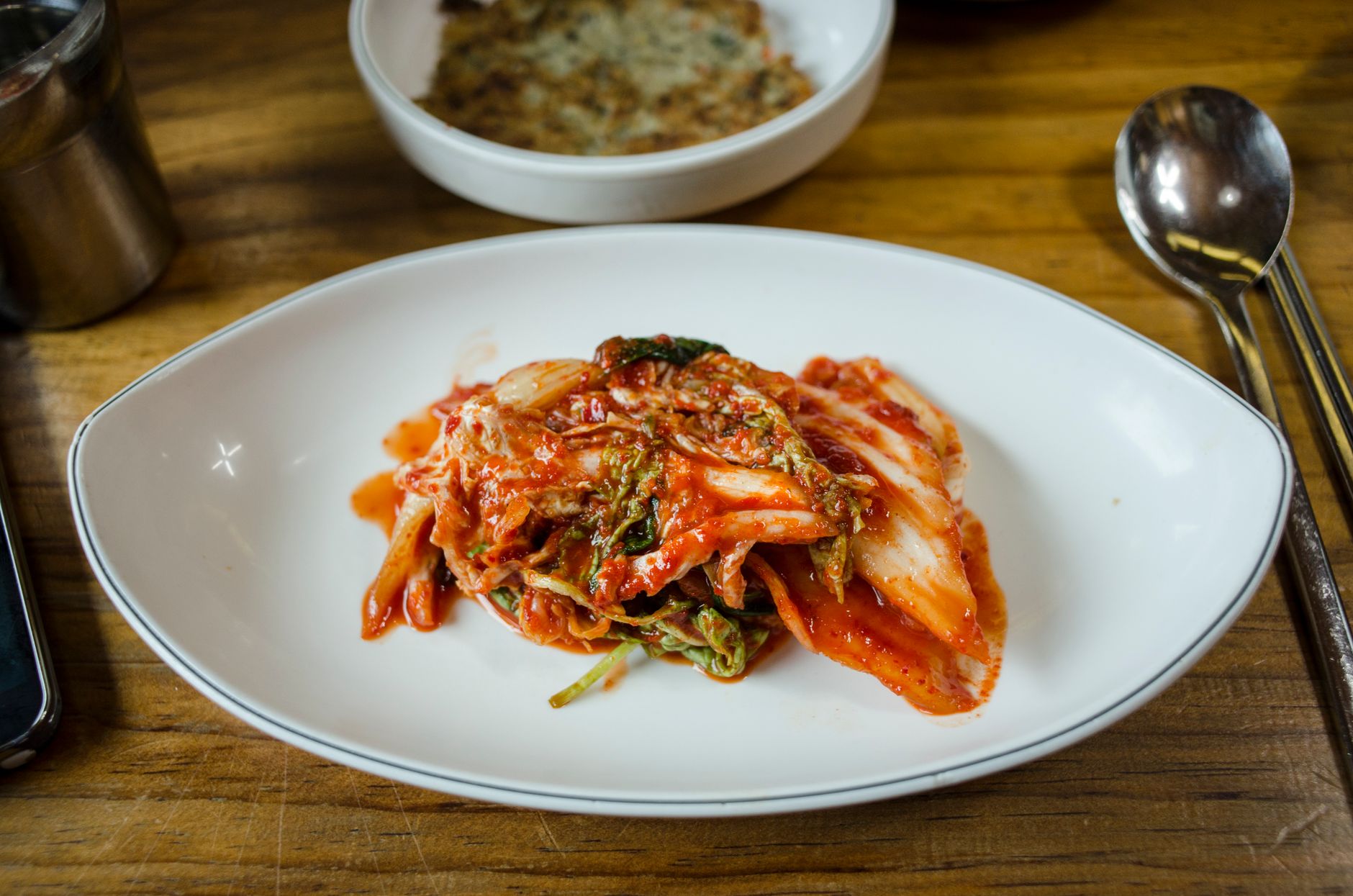
The rising interest in digestive health provides a strong tailwind for this shift. Diners are increasingly aware of the connection between gut health and overall wellness, leading them to search for foods rich in natural probiotics. Fermented staples like kimchi, kombucha, kefir, and miso are no longer confined to niche health food stores or traditional ethnic eateries. Instead, these items are becoming standard offerings on mainstream menus nationwide.
Chefs leverage fermentation to build deep flavor complexity without relying on excessive salt, fat, or artificial flavor enhancers. The natural breakdown of sugars and amino acids during the fermentation process generates intense umami notes that elevate simple dishes. By introducing house-made pickles, cultured butter, and fermented hot sauces, kitchen teams can build unique signature offerings that set their brand apart from local competitors while keeping raw ingredient costs in check.
Beyond customer demand and flavor enhancement, fermentation offers substantial operational advantages for restaurant managers. The technique relies on food preservation, allowing operators to extend the shelf life of seasonal produce and reduce kitchen waste. When raw vegetables are abundant and affordable, kitchens can process and ferment surplus inventory, turning potential waste into shelf-stable pantry items that last for months.
This preservation capability aligns directly with broader industry efforts to build sustainable food systems and manage rising food costs. By transforming surplus ingredients into high-value condiments, kitchens maximize purchasing power and minimize spoilage. Many fermented products can be prepared during slow prep periods, allowing kitchen staff to optimize labor schedules and cut down assembly time during high-volume dinner rushes.
The scalability of fermentation makes it particularly attractive to institutional food service providers, including university dining halls and corporate cafeterias. These large-scale operations use fermented glazes, cultured dairy dressings, and pickled toppings to refresh menu cycles without adding complex cooking steps. The result is a cost-effective method for delivering artisanal quality to hundreds of diners simultaneously.
The integration of fermented products spans every part of the day, moving well beyond traditional lunch and dinner applications. Breakfast menus now feature savory oats cooked with dashi and miso, probiotic kefir smoothies, and sourdough toasts topped with fermented spreads. These morning options cater to health-conscious commuters looking for nutrient-dense options that digest easily.
Midday menus are seeing a surge in fermented condiments that replace standard toppings. Burgers and grain bowls come enhanced with lacto-fermented onions, spicy kimchi relishes, and fermented chili pastes like gochujang. These additions provide a sharp, acid balance that cuts through rich proteins, creating a dynamic eating experience that keeps guests coming back for house flavors.
Beverage programs are undergoing a similar transformation driven by live-culture drinks. Standard soda programs are giving way to draft kombucha, house-fermented shrubs, and tepache, a traditional Mexican beverage made from fermented pineapple rinds. Bar directors use these tart liquids as complex bases for zero-proof cocktails, catering to the growing demographic of consumers who are cutting back on alcohol but still want sophisticated drink options.
While the benefits of menuing fermented foods are extensive, operators must navigate specific challenges related to safety, consistency, and staff training. Managing active bacterial cultures requires precise environmental controls, including accurate temperature monitoring, strict sanitation protocols, and proper pH testing. Larger restaurant chains often rely on pre-made, commercially fermented ingredients from verified suppliers to ensure consistency and compliance with local health codes.
Independent operators who choose to ferment in-house must invest time into educating their staff on safe food handling practices. Teaching line cooks how to recognize proper fermentation indicators versus undesirable spoilage is essential for maintaining product quality. Kitchen staff must also be trained to describe these complex, tangy flavors to guests who might be unfamiliar with traditional fermented preparations.
As consumer palates become more adventurous, the threshold for acceptable funkiness on mainstream menus continues to expand. Operators who balance intense fermented notes with familiar comfort foods see strong customer reception. By pairing familiar items like grilled cheese or fried chicken with pickled vegetables or fermented glazes, restaurants make these unique flavors accessible to a broader audience.
For diners, the surge in fermented menu items means easier access to functional, gut-friendly foods without sacrificing taste. You can expect to see more probiotic-rich choices at your favorite local spots, from casual lunch joints to upscale dinner venues. Trying these dishes offers a simple way to support digestive health while enjoying complex, chef-driven flavor combinations.
For restaurant operators, incorporating fermented elements represents a clear path to improving margin performance and sustainability. By preserving excess produce and crafting low-cost, high-impact condiments, kitchens can elevate simple menu items while keeping food waste to a minimum. Investing in staff education around fermentation safety remains crucial for any business looking to capture this growing market demand.
Sources and methodology
Reported from the public datasets below.
More from the Foodie Pundit Newsroom
- New York Michelin Guide Release Triggers Booking Frenzy Across State
- 30 New Michelin Stars and Bib Gourmands Break New York Reservation Apps
- New York Michelin Guide Update Sparks Reservation Rush and Operational Shifts
- KFC Drops the OMG Zinger to Heat Up Fast Food Chicken Wars
- Inside the Economics of Michelin Star Spikes and Reservation Scrambles