Florida Is Rolling With A New Handroll Hawker
An intriguing new sushi spot is serving up Australian-style handrolls on Polk Street.
By Foodie Pundit Newsroom - Published - Updated - Section: Restaurant Openings
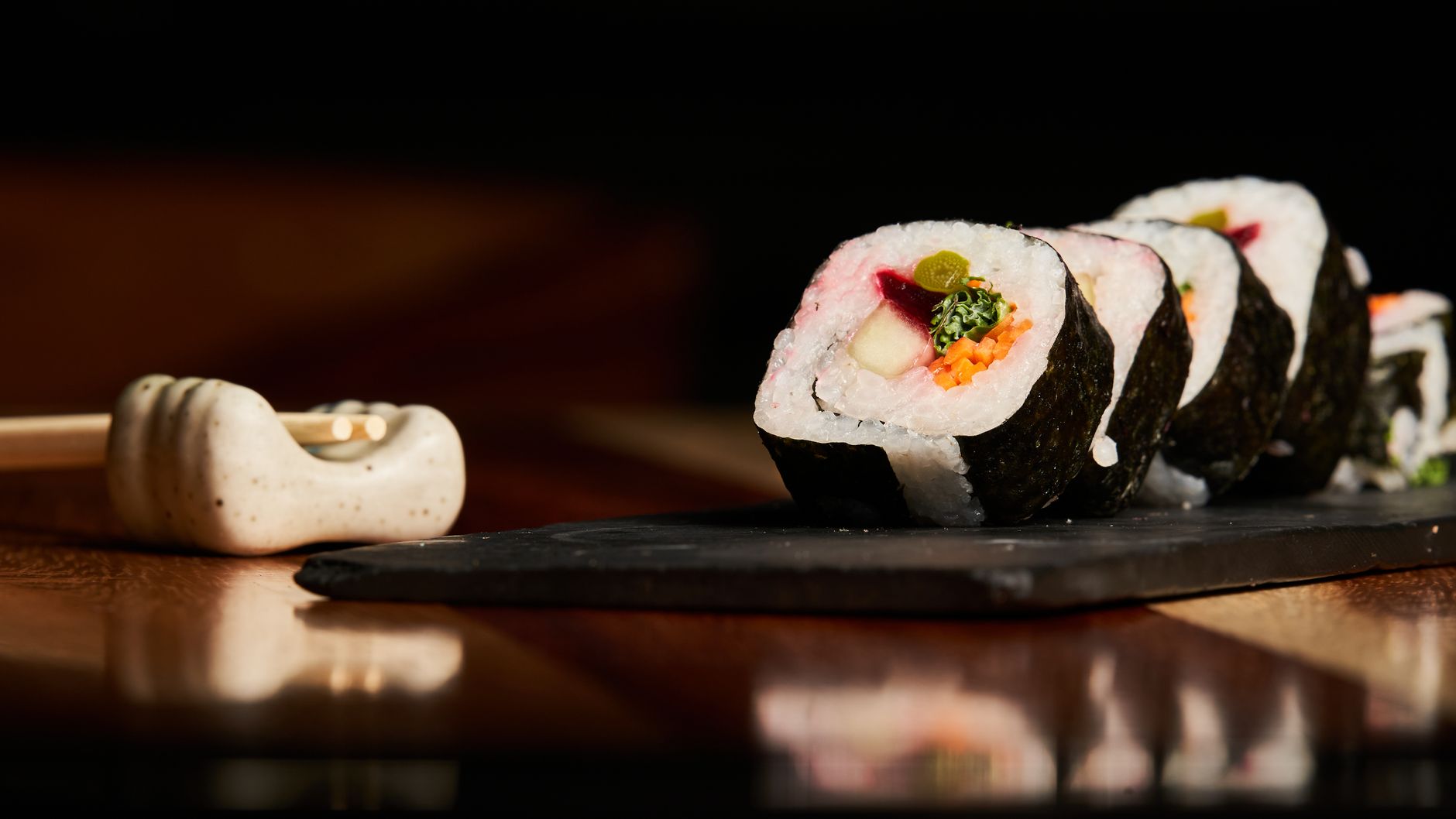
Key points
- Handroll Hawker has opened on Polk Street, introducing "Australian-style" sushi handrolls to the neighborhood.
- The concept appears to blend the Japanese craft of sushi with modern Australian culinary influences, in a casual "hawker" style setting.
- As a specialized, neighborhood-focused spot, its success will depend on how well it integrates into the local community and how diners respond to its unique take on handrolls.
- The term "Australian-style" is the most intriguing element, suggesting potential for new ingredients and flavor profiles not typically found in traditional sushi.
- The business model follows a modern trend of hyper-specialization, focusing on doing one thing exceptionally well in a relaxed, accessible environment.
A fresh player has entered Florida's vibrant dining scene, and it's rolling out a concept that feels both familiar and refreshingly new. Handroll Hawker has officially opened its doors on Polk Street, bringing a distinct and intriguing culinary offering to the neighborhood: Australian-style sushi handrolls. This arrival marks a notable moment for local food enthusiasts, introducing a specific, nuanced take on a globally beloved food format.
For a city that already boasts a rich tapestry of Japanese cuisine, from high-end omakase experiences to casual, quick-service sushi counters, Handroll Hawker is betting on a unique niche that could very well capture the attention of discerning diners. The decision to focus on handrolls, or temaki, is itself a strategic one, tapping into a growing trend that prioritizes freshness, immediacy, and a more interactive dining experience. But the addition of the "Australian-style" descriptor is what truly sets it apart, signaling a departure from the strictly traditional and an embrace of a more modern, perhaps fusion-oriented, approach to the art of sushi.
The name itself, "Handroll Hawker," evokes a sense of accessible, high-quality street food, suggesting a place that is both serious about its craft and welcoming in its atmosphere. It hints at a model that combines the precision of Japanese culinary techniques with the casual, bustling energy of a hawker market, a combination that feels perfectly suited to the dynamic pace of city life. As residents and visitors on Polk Street begin to discover this new establishment, the central question will be how Handroll Hawker defines and executes its unique vision, and whether its Australian-inspired creations can carve out a permanent space in the hearts and appetites of the local community.
The initial buzz is palpable, as any new, specialized food concept tends to generate, but the long-term success will depend on the quality, consistency, and overall experience delivered within its four walls. This is the story of a new spot aiming to make a very specific, and potentially very delicious, mark on the neighborhood. The opening of Handroll Hawker is a quiet but confident statement in the city's culinary dialogue.
It's a story not of a massive restaurant group expanding its portfolio, but of a focused concept making a deliberate and specific debut. In an era where dining trends can often feel fleeting and derivative, the choice to specialize in something as precise as Australian-style handrolls is a bold one. It suggests a deep-seated passion for the product and a belief that this particular style of sushi has something new and exciting to offer.
The very nature of a handroll-centric menu implies a commitment to peak freshness. Unlike cut rolls, or maki, which can be prepared in advance, handrolls are typically made to order and served immediately, ensuring that the crispiness of the nori (seaweed), the warmth of the rice, and the cool, pristine quality of the fillings are experienced at their absolute best. This emphasis on the "hand-to-mouth" experience creates a direct connection between the chef and the diner, fostering a sense of intimacy and immediacy that is often lost in other dining formats. The "Australian-style" element remains the most intriguing part of the narrative.
What does it actually mean? While the initial evidence does not spell out the specific ingredients or flavor profiles, one can speculate based on broader culinary trends from the region. Australian cuisine, particularly in its modern incarnation, is known for its vibrant, multicultural influences, its emphasis on fresh, high-quality local produce, and its close ties to Asian flavors.
It's possible that Handroll Hawker's interpretation could involve the use of native Australian ingredients, unique sauce combinations, or a departure from traditional Japanese fillings in favor of more contemporary or fusion-inspired options. Perhaps we will see ingredients like spanner crab, yuzu kosho, or finger lime making an appearance. Or maybe the style refers to the construction of the roll itself.
This ambiguity is, for now, part of the allure. It invites curiosity and encourages diners to step inside and discover the answer for themselves. The choice of Polk Street as a location is also a significant piece of the puzzle, grounding this new venture in a specific urban context and community.
Every neighborhood has its own rhythm and its own distinct culinary identity, and the success of a new restaurant often hinges on its ability to understand and integrate into that existing fabric. Polk Street, with its eclectic mix of residents, businesses, and foot traffic, presents both an opportunity and a challenge for a specialized concept like Handroll Hawker. It will need to appeal to a broad enough cross-section of the local demographic to build a loyal customer base while staying true to its unique and specific vision.
The journey for this new spot is just beginning, but the initial elements are all in place for a compelling new chapter in the city's food story. The stage is set for Handroll Hawker to show Florida what Australian-style sushi is all about. With its doors now open, the quiet hum of a new beginning is turning into a tangible presence on Polk Street.
Handroll Hawker has arrived, and it has brought with it a specific and intriguing promise. This is what we know so far. The establishment is officially operating and has been identified as a "neighborhood handroll spot."
This positioning is key. It frames Handroll Hawker not as a destination restaurant that one must travel across the city for, but as a local fixture, a place intended to be woven into the daily or weekly routines of those who live and work nearby. The term "spot" itself reinforces this feeling of casual accessibility.
It's not a grand "restaurant" or a formal "eatery"; it's a spot, a place to drop in, grab a delicious bite, and carry on with your day. The core of the menu, as the name and early descriptions confirm, is "Australian-style sushi handrolls." This is the central pillar of the brand and the primary draw for customers.
While the specifics of what makes them "Australian-style" are not yet detailed in the public domain, the very existence of this qualifier is the most significant piece of information we have. It differentiates Handroll Hawker from every other sushi establishment in the vicinity. It creates a hook, a point of curiosity that will be the main driver of initial trial.
We know the location is Polk Street. This anchors the business in a real, physical space and provides context for the community it aims to serve. Polk Street is a corridor with its own unique character, and any business opening there must be prepared to engage with that identity.
For a neighborhood spot, location is more than just an address; it's the immediate market, the source of regulars, and the cultural landscape in which it must thrive. A successful neighborhood spot becomes a part of the local conversation, a landmark in its own right, and that is clearly the aspiration for Handroll Hawker. The name, "Handroll Hawker," is another crucial piece of evidence.
The "Handroll" component is straightforward, clearly communicating the primary product. The "Hawker" component is more evocative. It conjures images of bustling Asian street food markets, where skilled vendors, or hawkers, specialize in a single dish, perfecting it over years of repetition.
This suggests a focus on craft, speed, and quality within a casual, no-fuss environment. It implies that while the setting may be informal, the food itself is taken very seriously. It's a name that cleverly manages expectations, promising the quality of a specialist without the potential intimidation of a fine dining setting.
This blend of high-craft and low-formality is a powerful combination in today's dining landscape, appealing to a generation of diners who value authenticity and expertise but prefer relaxed and accessible experiences. The opening has been noted, which means the business has crossed a critical threshold from a planned project to an active entity. It is no longer a matter of "if" but "how" it will perform.
The lights are on, the doors are open, and the first handrolls are being served. This is the moment when the concept is tested in the real world, when the theories of the business plan meet the reality of customer feedback and daily operations. The initial days and weeks will be a crucial period of learning and adaptation for the Handroll Hawker team.
The culinary world has seen a significant rise in specialization over the past decade. The era of the encyclopedic menu, where a single restaurant tries to be everything to everyone, is fading. In its place, we see the emergence of concepts that do one thing and do it exceptionally well.
Think of the gourmet donut shop, the single-origin coffee bar, the Neapolitan pizzeria that only serves a handful of classic pies. Handroll Hawker fits perfectly within this paradigm. It is a concept built on the idea of mastery over a narrow domain.
This is not a new idea in Japanese cuisine, where specialization has been a cultural cornerstone for centuries. Think of the tempura master, the yakitori chef, the ramen sensei. These artisans dedicate their lives to perfecting a single craft.
Handroll Hawker appears to be channeling this spirit of specialization, albeit through a contemporary and culturally blended lens. The brand story, as implied by its name and concept, is one of fusion and focus. It's about taking a traditional Japanese format, the temaki, and reinterpreting it through a modern Australian sensibility.
This is a narrative that speaks to a globalized food culture, where ideas and ingredients travel freely across borders, resulting in exciting and novel combinations. The "Hawker" part of the name is a nod to the democratic, street-level origins of so much of the world's best food. It's a story that positions the brand as both an innovator and a populist, a purveyor of high-quality, craft-driven food in an unpretentious package.
This is a story that resonates strongly with millennial and Gen Z diners, who are often drawn to brands that feel authentic, passionate, and transparent. They are a generation of food explorers, eager to try new things and learn the stories behind their food. Handroll Hawker's narrative of Australian-style innovation, combined with the focused craft of a hawker, is tailor-made for this audience.
It's a brand that feels current, confident, and culturally aware. The decision to focus on handrolls also has a strong operational logic. A limited, specialized menu can lead to greater efficiency in the kitchen, reduced food waste, and higher quality control.
By concentrating on a single type of product, the team can streamline their sourcing, preparation, and service, ensuring that every single roll that leaves the counter meets their exacting standards. This operational efficiency can then be passed on to the customer in the form of better quality, faster service, or more accessible pricing. It's a smart business model that aligns the interests of the operator with the desires of the diner.
Ultimately, the story of Handroll Hawker is the story of a bet. It's a bet that there is a market for a new style of handroll. It's a bet that the fusion of Japanese technique and Australian flavors will excite and delight customers.
It's a bet that a model of high-craft and casual service is the right formula for Polk Street. And it's a bet that a new generation of diners is ready to embrace a brand that is focused, innovative, and passionate about its product. The story is just beginning to be written, and every customer who walks through the door will play a part in shaping its next chapter.
The context of the neighborhood is paramount for a venture like Handroll Hawker. By defining itself as a "neighborhood handroll spot," it has tied its fate directly to the character and appetite of Polk Street. This particular corridor in Florida is a microcosm of the city itself, a blend of residential calm and commercial buzz.
It's a street where longtime residents cross paths with young professionals, where historic storefronts sit next to modern developments. This eclectic demographic mix presents a unique opportunity for a new food business. To succeed here, Handroll Hawker cannot cater to a single, narrow niche.
It must have a broad enough appeal to attract students, families, office workers, and discerning foodies alike. The key will be to find the sweet spot between being unique and being accessible. The "handroll" concept is a strong starting point.
Sushi, in its various forms, already enjoys widespread popularity across a diverse range of demographics. Handrolls, in particular, offer a more casual and often more affordable entry point into the world of sushi compared to a full sashimi platter or an omakase tasting menu. This inherent accessibility is a major advantage in a neighborhood setting.
The "Australian-style" aspect is what will provide the intrigue and the "cool" factor, drawing in the more adventurous and trend-conscious diners who are always on the lookout for the next new thing. The challenge will be to ensure this innovation doesn't alienate more traditional palates. Success on Polk Street also requires an understanding of the local rhythm.
When are the peak hours for foot traffic? Is there a strong lunch crowd from nearby offices? Does the neighborhood come alive in the evenings?
A successful neighborhood spot learns to dance to this rhythm. It might offer quick lunch specials to capture the midday rush, or it might cultivate a relaxed, inviting atmosphere for evening diners looking to unwind after work. Handroll Hawker will need to be observant and adaptable, tailoring its service, hours, and offerings to meet the specific needs and patterns of the Polk Street community.
The competitive landscape is another critical factor. What other food options are available nearby? Are there other sushi or Japanese restaurants in the immediate vicinity?
While Handroll Hawker's unique "Australian-style" focus provides a strong point of differentiation, it will still be competing for the same share of stomach and share of wallet as every other eatery in the area. To stand out, it will need to excel not just in the quality of its food but also in its customer service, its ambiance, and its overall value proposition. It needs to become not just a place to eat, but a place people want to be.
Sources and methodology
Reported from the public datasets below.
More from the Foodie Pundit Newsroom
- A giant butter buy went to a California supplier, and it matters for donated meals
- Gordon Ramsay Launches New Venue While Sharing Critical Industry Principles
- Papa Johns CFO Outlines Tech Overhaul to Boost Digital Sales and Guest Loyalty
- Why Supermarket Prices Are Staying High as Grocery Inflation Persists
- Cheyenne Is Getting A Freddy's. Here's The Deal