Houston Sichuan Dining Staple Shuts Down Abruptly Following Chapter 7 Bankruptcy Filing
A celebrated Texas culinary institution closes its doors permanently amidst mounting debt, supplier lawsuits, and formal court liquidation proceedings.
By Foodie Pundit Newsroom - Published - Section: Policy Regulation
Key points
- A popular Houston Sichuan restaurant abruptly shut down without notice following severe financial insolvency and court filings.
- Reporting from the Houston Chronicle indicates the business faced extensive debt, unpaid rent, and legal disputes with creditors.
- Rising operational overhead, specialty ingredient costs, and strict commercial lease terms contributed to the failure.
- The enterprise has entered Chapter 7 bankruptcy, resulting in the complete liquidation of physical business assets.
A major fixture in the Houston dining landscape has abruptly closed its doors after years of serving fiery regional Chinese cuisine. The sudden shutdown of the celebrated Sichuan establishment has stunned long-time patrons and industry watchers across Texas. What initially appeared to be a temporary disruption in operations has evolved into a full financial liquidation, highlighting the severe headwinds currently facing independent regional restaurants. Recent court filings reveal that the business suffered under a mountain of mounting debt, landlord disputes, and unpaid vendor invoices that ultimately forced a Chapter 7 bankruptcy filing.
According to reporting by the Houston Chronicle, the restaurant ceased operations without advance warning to its loyal customer base or hourly staff. Regular diners arriving for lunch and dinner service were greeted by locked doors and unlit dining rooms, triggering intense speculation across local culinary forums. Within days of the physical closure, public legal documents confirmed that the operating entity behind the business had surrendered to insolvency proceedings. The abrupt nature of the departure highlights how quickly behind-the-scenes financial stress can cascade into complete operational failure for high-volume dining establishments.
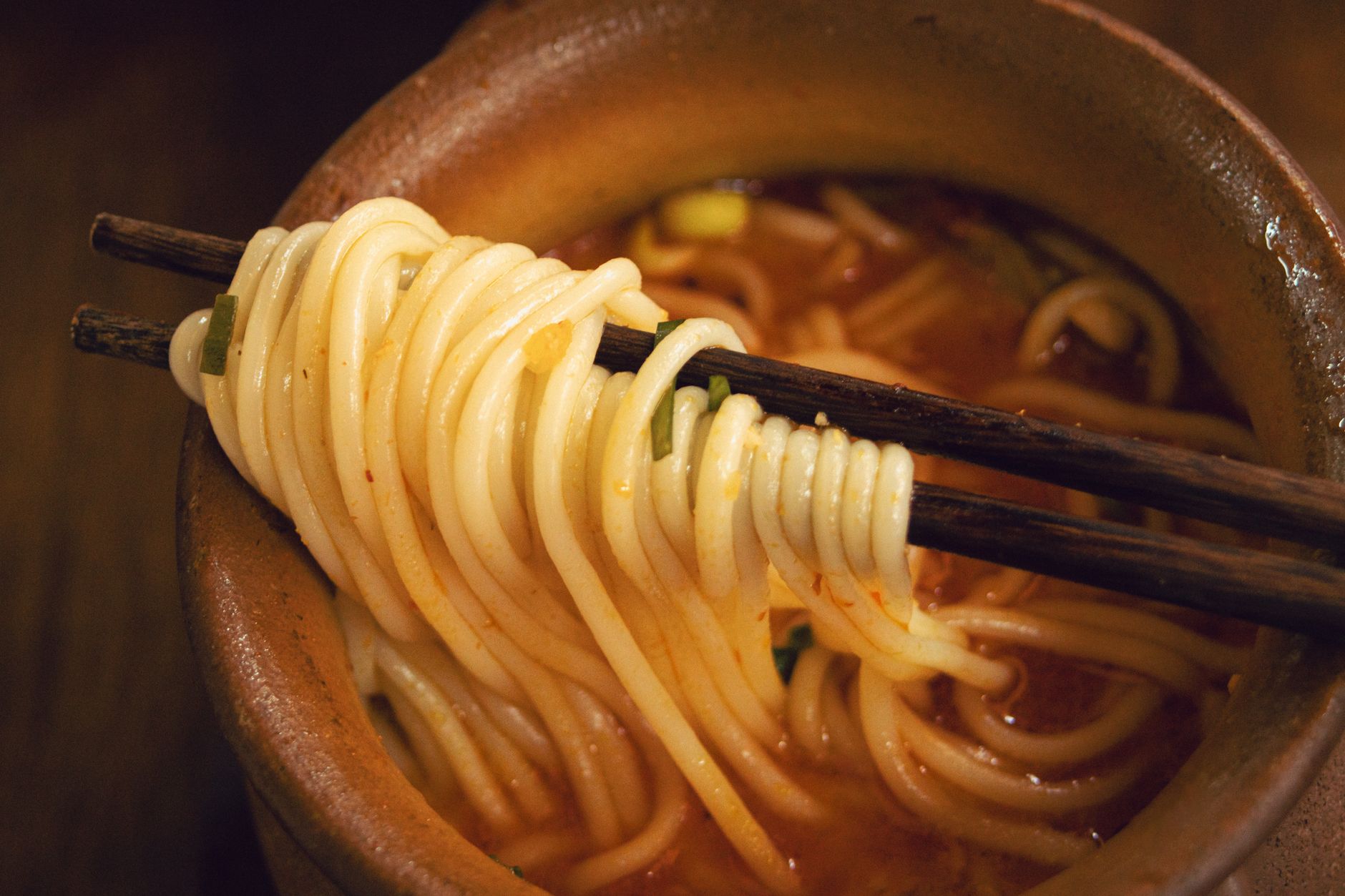
The affected restaurant earned national and local acclaim for its uncompromising approach to Sichuan gastronomy. Known for its generous use of imported peppercorns, dried chilies, and hand-pulled noodles, the kitchen earned a reputation as a benchmark for authentic regional Chinese cooking in the Gulf Coast region. For years, the dining room maintained strong foot traffic, attracting both neighborhood regulars and dedicated culinary tourists. Despite robust sales during peak dining hours, the underlying enterprise struggled to maintain profitability amidst shifting cost structures and aggressive expansion attempts.
Financial pressures began compounding during the volatile period following pandemic-era disruptions. Rising wholesale prices for specialty imported ingredients, combined with skyrocketing commercial real estate lease rates in prime Houston retail corridors, steadily eroded the business's operating margins. As commodity costs for poultry, beef, and cooking oils reached record highs, the restaurant found it difficult to pass all price increases along to consumers without sacrificing volume. Additionally, tight labor markets forced management to raise hourly wages, further compressing the margin between gross revenue and daily overhead.
The operational collapse culminated in formal bankruptcy filings that laid bare the extent of the restaurant's financial liabilities. Court records indicate that the operating company owes hundreds of thousands of dollars to unsecured creditors, including food distributors, utility companies, and commercial equipment suppliers. Furthermore, legal documents point to unresolved dispute settlements with property managers over unpaid back rent and common area maintenance fees. Under the Chapter 7 bankruptcy process, a court-appointed trustee will liquidate the company's tangible assets to pay off creditors in order of priority.
Lawsuits preceding the bankruptcy petition reveal a complex web of legal entanglements involving former business partners and financial backers. Multiple breach of contract suits filed in local district courts suggest that management struggled to secure fresh capital infusions necessary to restructure debt obligations. When secondary bridge loans failed to materialize, the business lost the liquidity required to purchase daily food inventory and meet bi-weekly payroll. The financial insolvency ultimately rendered continued operation impossible, leaving kitchen equipment, furniture, and inventory subject to liquidation auctions.
The sudden loss of the dining institution has left a noticeable void in Houston's celebrated Asian culinary ecosystem. Community members and food enthusiasts have expressed deep disappointment over the loss of a key cultural culinary hub. Industry analysts note that authentic regional Chinese concepts often face unique operational challenges, including reliance on specialized supply chains and specialized labor talent that cannot be easily substituted. When these custom operations encounter cash flow bottlenecks, their recovery options are far more constrained than standard American concept restaurants.
This closure serves as a sobering reminder of the fragile balance within the modern food service sector. Even establishments with strong brand equity and passionate consumer followings are not immune to systemic economic pressures. Commercial real estate experts observe that independent operators in booming markets like Houston are increasingly priced out by institutional landlords seeking long-term national chain tenants. The disappearance of this Sichuan favorite illustrates the broader risk to independent dining diversity when fixed overhead costs outpace revenue growth.
For consumers, the abrupt loss of a favored neighborhood spot serves as a direct reminder to support local independent eateries consistently. Restaurant balance sheets remain tighter than ever, meaning that steady foot traffic is crucial for operational survival. Diners should be aware that menu price adjustments across independent regional restaurants are often a necessary response to rising ingredient and real estate costs rather than arbitrary markups.
For aspiring restaurant owners and culinary entrepreneurs, this case study underscores the critical importance of prudent capital structure and conservative debt management. Maintaining sufficient liquidity cushions to weather commercial rent increases and supply chain shocks is essential for long-term survival. As commercial leases come up for renewal across major metropolitan areas, operators must prioritize manageable lease terms over premium real estate locations to protect their bottom line.
More from the Foodie Pundit Newsroom
- Why Grocery Bills Will Remain Elevated Despite Broader Economic Cooling
- Why Supermarket Bills Remain High Even As Broader Inflation Cools
- Trader Joes Issues Nationwide Recall for Organic Fresh Basil Over Salmonella Concerns
- Culinary Economics Shift as Chef Emeril Lagasse Drops Seasonal Summer Recipe and Hosting Blueprint
- Trader Joe's Issues Fresh Basil Recall Over Potential Salmonella Contamination Risks