How Automation is Rewiring the Economics of the Modern Restaurant Industry
Automated systems and advanced software are transforming kitchen operations, drive-thru lines, and the overall economics of dining out.
By Foodie Pundit Newsroom - Published - Updated - Section: Food Tech
Key points
- Quick-service chains are prioritizing voice-recognition drive-thrus and automated kitchen prep to cut labor costs.
- Predictive analytics now dictate shift scheduling and inventory management, significantly reducing food waste and labor overhang.
- The high capital cost of automation creates a competitive divide between national enterprise chains and independent operators.
- Hospitality jobs are shifting away from manual repetitive tasks toward technology management and customer service.
The restaurant industry is undergoing a structural shift as operator interest in automated systems accelerates. From drive-thru lanes to back-of-house kitchen lines, technology providers are selling tools designed to reduce labor expenses and boost order accuracy. Industry observers note that while digital tools have quietly managed inventory and scheduling for years, visible automation is now reaching the customer-facing side of the business.
Reporting from Nation's Restaurant News indicates that operators are increasingly turning to advanced algorithms to manage real-time store operations. These digital solutions promise to streamline ordering systems, reduce customer wait times, and minimize costly kitchen prep errors. As wage pressures continue to impact bottom-line profit margins, restaurant executives view technological integration not as a novelty, but as an essential survival strategy.
The rapid implementation of these platforms is reframing how restaurant brands allocate capital. Investment in traditional physical footprints is competing directly with software licensing fees and hardware upgrades. For many enterprise brands, tech deployment is becoming the primary metric used to evaluate long-term operational efficiency.
On the front lines of service, voice-recognition ordering systems are taking center stage at quick-service drive-thrus. These systems process complex customized orders, handle payments, and attempt to upsell high-margin menu items without human fatigue. Early trials reveal mixed consumer responses, yet operators report significant gains in hourly order processing speed when the technology functions as intended.
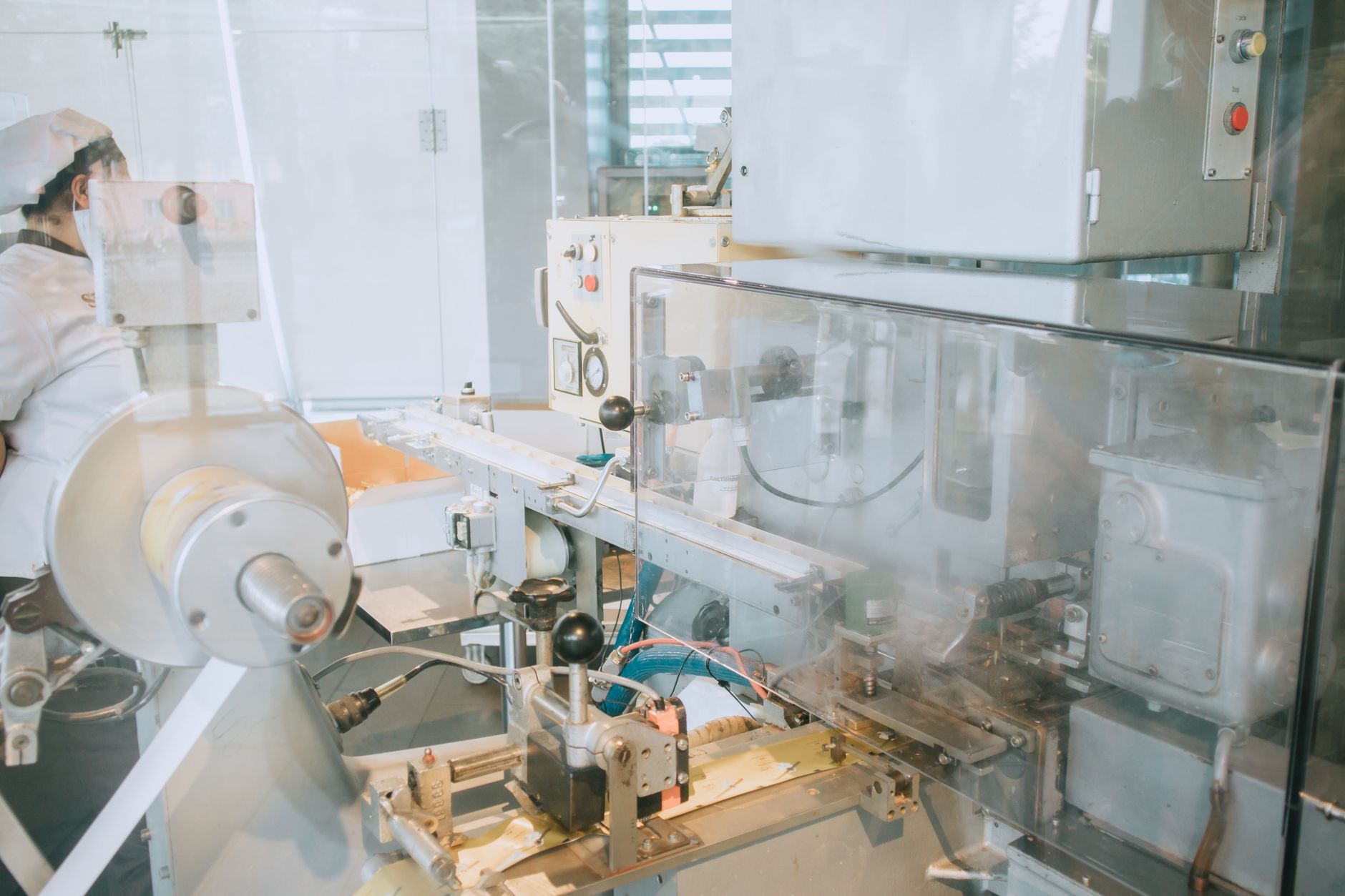
Inside the kitchen, specialized robotics and automated inventory systems are transforming food preparation routines. Automated fry stations, robotic assembly lines, and smart ovens ensure precise cooking times while reducing food waste. Nation's Restaurant News highlights that these tools allow kitchens to maintain strict consistency across hundreds of store locations without requiring intensive staff training.
At the management level, predictive analytics are reshaping supply chain decisions and workforce scheduling. Machine learning models analyze historical sales data, weather patterns, and local events to forecast foot traffic with high precision. Managers can adjust inventory orders and staff shifts on the fly, reducing labor overhang during slow afternoon periods and preventing stockouts during peak dinner rushes.
The rise of automated kitchen and front-of-house systems raises urgent questions regarding the future of hospitality employment. Industry analysts emphasize that technology rarely eliminates human staff entirely, but it fundamentally shifts the nature of their responsibilities. Workers who previously focused on repetitive manual tasks, such as taking orders or frying food, are being reassigned to guest hospitality, maintenance, and order verification roles.
Labor advocates express caution about the potential for widespread job displacement in lower-wage categories. While technology creates new specialized roles in equipment maintenance and software support, these positions often require technical skills that current line cooks and cashiers may not possess. Industry groups counter that automation addresses long-standing labor shortages that have plagued hospitality businesses for years.
Furthermore, training requirements for restaurant staff are changing rapidly. Onboarding a new team member now involves teaching them how to interface with digital displays and manage machine alerts rather than memorizing order flow or manual cooking times. As a result, tech literacy is becoming a baseline requirement for entry-level food service employment.
FINANCIAL REALITIES FOR INDEPENDENT OPERATORS
While national chains boast the capital reserves needed to implement proprietary software and robotic kitchen equipment, independent restaurants face steep barrier-to-entry costs. High upfront hardware expenses and monthly software subscriptions can strain small operational budgets. Consequently, the technology gap between enterprise restaurant chains and local eateries threatens to widen significantly over the next decade.
To stay competitive, independent operators are relying on third-party software platforms that bundle automated features into existing point-of-sale hardware. Cloud-based platforms allow smaller venues to leverage advanced inventory forecasting and online ordering algorithms without investing in custom hardware. However, dependence on third-party vendors exposes small businesses to escalating subscription fees and platform commission rates.
Investors are taking notice of this division within the market. Venture capital and private equity firms are funneling billions into restaurant technology startups that promise off-the-shelf automation tools. Analysts suggest that the brands capable of successfully integrating these technological solutions will attract higher valuations and enjoy healthier profit margins in an uncertain macroeconomic environment.
For the average diner, the digital transformation of the dining room will manifest primarily through altered interaction patterns and operational speed. Customers visiting quick-service establishments will encounter fewer human cashiers and more digital ordering kiosks, automated drive-thru voices, and mobile application prompts. While this shift promises faster ticket times and greater order customization accuracy, it also alters the traditional hospitality dynamic that relies on personal human connection.
Diners should also expect menu pricing to reflect these capital investments. In the short term, technology implementation costs may contribute to higher menu prices as operators work to recoup hardware and software expenditures. Over time, however, the labor efficiencies achieved through automated systems could help stabilize menu inflation across major quick-service and fast-casual brands.
Finally, restaurant workers will need to adapt to a labor market that increasingly values technological aptitude alongside physical efficiency. Front-of-house staff will focus more on direct guest satisfaction and handling complex customer service issues, while back-of-house workers will transition into supervisory roles overseeing automated kitchen equipment. The dining experience is becoming faster and more standardized, permanently reshaping the modern food service ecosystem.
More from the Foodie Pundit Newsroom
- What Do Discount Grocers Know That Your Supermarket Doesn't?
- How Automated Systems Are Redefining Modern Restaurant Operations and Kitchen Labor
- The Pizza Promotion Arms Race: How Discounts and Digital Deals are Reshaping a $58 Billion Industry
- Chick-fil-A Accelerates Drive-Thru Operations With Advanced Fulfillment Tech
- Austin's Newest Bagel Spot Is A Keeper