How Bakeries Are Capitalizing On Summer Dessert Trends To Boost Seasonal Revenue
Commercial bakeries are leveraging nostalgia, botanical flavors, and chilled hybrid formats to drive foot traffic and protect margins this summer.
By Foodie Pundit Newsroom - Published - Updated - Section: Desserts Snacks
Key points
- Seasonal menus are leaning heavily into nostalgic retro cakes elevated with complex textures and premium ingredients.
- Botanical and citrus flavor profiles like lavender and blood orange allow operators to command higher price points with minimal extra labor.
- Chilled hybrid treats and cold-chain items offer critical operational efficiencies for bakeries handling peak summer traffic.
The commercial baking and pastry sector is undergoing a rapid recalibration this season as operators balance shifting consumer preferences, social media influence, and tight margin realities. Industry analysis from Bake Magazine underscores how summer dessert menus are no longer anchored solely by traditional fruit pies or simple ice cream scoops. Instead, bakery owners and food service operators are deploying sophisticated flavor profiles, nostalgic redesigns, and visually striking presentation formats to capture foot traffic during peak travel months.
Market data reveals that consumers are actively seeking high-value experiences when dining out, turning small-format treats into affordable luxuries. As broader inflationary pressures encourage consumers to trim spending on full-course meals, mid-day dessert visits and late-night treat runs have become key revenue drivers. Operators who successfully align their product pipelines with viral trends while controlling ingredient input costs are seeing measurable gains in average check size.
RETRO NOSTALGISMS AND TEXTURAL INNOVATIONS
Nostalgia remains one of the most potent emotional levers in contemporary menu development, but today it comes with a modern structural twist. Bakeries across the country are revisiting classic childhood staples such as retro sheet cakes, icebox pies, and packaged lunchbox snacks, elevating them with premium ingredients and unexpected textures. By combining familiar flavor foundations like vanilla, cocoa, and toasted marshmallow with complex crunchy or gooey elements, pastry chefs create products that feel simultaneously comforting and new.
Texture plays an increasingly decisive role in driving repeat purchases. Multi-layered creations that combine soft visual layers with crisp shells or chewy centers generate higher customer engagement scores than single-texture items. Industry observers note that texture provides an immediate sensory payoff that translates exceptionally well to short-form mobile video content, amplifying digital word of mouth for small independent bakeries and national chains alike.
THE EXPANSION OF BOTANICAL AND CITRUS FLAVORS
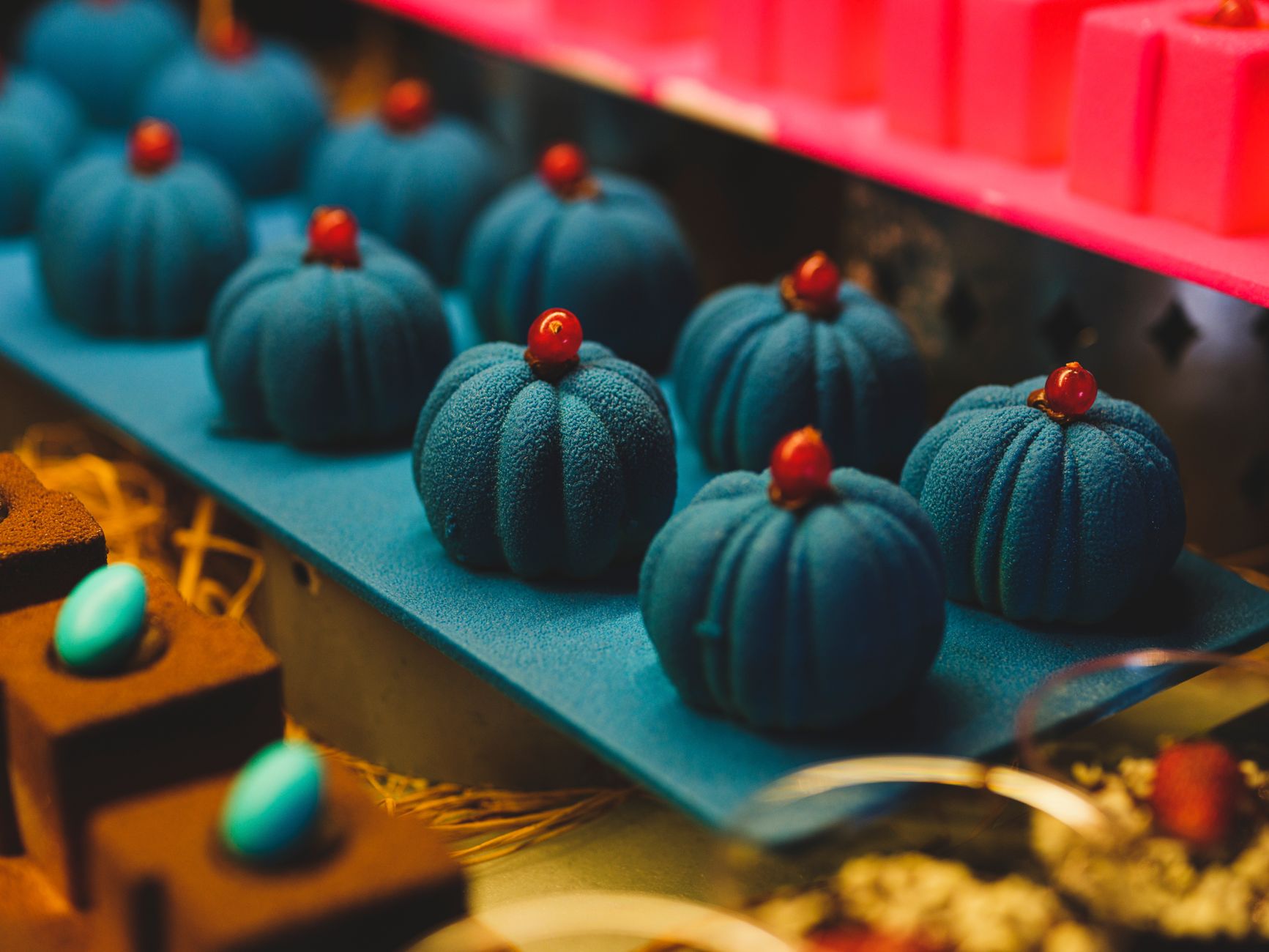
While heavy chocolate profiles maintain a steady baseline year-round, summer dessert menus are shifting aggressively toward bright, acid-forward botanical and citrus formulations. Meyer lemon, key lime, and blood orange are appearing alongside sophisticated floral infusions like lavender, hibiscus, and elderflower. These flavor profiles offer a refreshing counterpoint to high summer temperatures while positioning products as lighter, more sophisticated indulgences.
According to reporting by Bake Magazine, the integration of botanical extracts allows bakers to differentiate their offerings without adding substantial labor complexity. Swapping standard extract bases for herbal or floral simple syrups gives classic tarts, shortbreads, and cold beverages a distinct premium identity. This approach enables operators to justify slightly higher price points, protecting gross margins even as dairy and sugar costs remain volatile.
Rising seasonal temperatures naturally elevate demand for frozen and chilled items, but current menu innovations extend far beyond traditional soft serve. Hybrid concepts that merge beverages with solid bakery items are surging across metro markets. Frozen drinks topped with miniature pastries, slushies infused with cake batters, and espresso drinks featuring floating scoops of dense gelato are capturing consumer interest across demographic segments.
Chilled bakery items such as iced dessert sandwiches, frozen mousse bars, and refrigerated cream-filled rolls also give operators valuable operational flexibility. These items can be prepped in batches during off-peak hours, held under precise thermal control, and served instantly upon order. This reduces order-to-table times during rush periods and minimizes product degradation associated with room-temperature display cases in humid summer weather.
THE INFLUENCE OF SOCIAL PLATFORMS ON PRODUCT PIPELINES
Social media platforms continue to compress the traditional product development cycle from months down to weeks. A viral video featuring a unique pastry cross-section or an unconventional color combination can spark immediate localized demand. Commercial bakeries are responding by maintaining modular ingredient inventories, allowing them to iterate and launch limited-time offers on extremely short notice.
However, industry experts caution against relying entirely on transient viral trends. Successful menu strategies balance high-visibility social hooks with sustainable operational execution. While an eye-catching neon glaze or dramatic filling pull may draw a first-time guest through the door, baseline product quality, balanced sweetness, and efficient packaging determine whether that visitor becomes a long-term loyal customer.
OPERATIONAL EFFICIENCY IN HIGH-VOLUME SEASONS
Executing a complex seasonal dessert menu requires tight coordination between kitchen staff, inventory managers, and front-of-house teams. Heat sensitive ingredients such as butter glazes, whipped creams, and delicate chocolate decorations demand rigorous cold-chain management and strict display rotation. Bakeries that invest in staff training around temperature control avoid unnecessary food waste and maintain product consistency.
Supply chain diversification also remains vital as global weather disruptions affect core baking ingredients. Sourcing alternative citrus purees, stable nut pastes, and high-performance emulsifiers helps operational teams navigate localized shortages without stripping core items from the summer board. Flexibility in sourcing ensures that seasonal promotional calendars remain intact despite market volatility.
For everyday consumers, this wave of menu innovation means a richer array of summer treats available at every price point, from neighborhood corner bakeries to regional restaurant chains. Expect to see brighter, less cloying flavor options alongside fun, nostalgic formats that make quick afternoon outings feel like a special occasion. Paying attention to limited-time seasonal offerings will give you access to the freshest botanical ingredients and most creative hybrid formats before menus transition to autumnal profiles later in the year.
More from the Foodie Pundit Newsroom
- How Two-Ingredient Desserts Are Transforming Grocery Shelves and Restaurant Menus
- Dining Rooms See Steady Foot Traffic Surge as Restaurant Sales Shift Toward Volume Growth
- Two Ingredient TikTok Dessert Trend Signals Broader Shift In Consumer Dining Habits
- Inside the Reservation Crunch Across New York City's Premier Dining Venues
- Why Grocery Bills Remain High Even as Overall Inflation Slows Down