How Commercial Bakeries Are Engineering the Next Generation of Premium Desserts
Commercial bakeries are overhauling menu offerings as consumer demand shifts from traditional baked goods to visually dynamic individual pastries.
By Foodie Pundit Newsroom - Published - Updated - Section: Desserts Snacks
Key points
- Traditional, heavy baked goods are losing menu share to visually striking, multi-textured single-serve pastries.
- Rising commodity costs are driving operators to lighter, high-margin recipes using mousses, laminates, and glazes.
- Social media shareability and clear takeaway packaging have become essential components of modern dessert engineering.
- Bakeries are utilizing speed-scratch ingredients and cross-utilizing components to offset higher labor costs.
The commercial baking sector is experiencing a structural shift in product development as consumer preferences migrate from traditional, heavy baked goods toward visually striking, textured single-serve pastries. Industry reporting from Bake Magazine highlights how commercial bakeries and independent retail shops are overhaulling their dessert menus to capture shifting demographic demand. This evolution, frequently referred to in the trade as the dessert glow up, reflects broader macroeconomic pressures including ingredient inflation, changing foot traffic patterns, and the dominant influence of short-form social video on purchasing decisions.
Operators are discovering that long-time menu staples, such as traditional sheet brownies, oversized cookies, and simple iced cupcakes, no longer command the high retail margins they once enjoyed. Instead, modern consumers demand complex, multi-layered sweet concepts that offer distinct visual appeal alongside nuanced flavor profiles. As a result, research and development kitchens are reallocating capital toward premium ingredients, intricate visual assembly, and specialized equipment capable of producing high-margin individual portions.
Among the top-performing categories in recent quarters are upgraded classic pastries that incorporate cross-category elements. The industry has seen a massive surge in hybrid laminates, elevated choux pastry, and stuffed soft-bake cookies featuring liquid centers or premium artisanal toppings. These items permit operators to justify premium price points, often exceeding eight dollars per unit in urban markets, by offering a distinct value proposition through texture and presentation.
Bake Magazine points out that texture plays a paramount role in driving repeat purchases among younger demographics. Crisp crusts paired with silky diplomat creams, salted caramel drizzles, and freeze-dried fruit elements create an experiential component that basic baked goods cannot replicate. By focusing on multi-sensory experiences, bakeries can maintain unit volumes even as overall consumer spending on non-essential dining tightens under broader inflationary pressures.
Conversely, several legacy formats are facing declining sales volumes and shrinking menu real estate. Traditional multi-layer cakes sold by the slice are losing ground to smaller, personal-sized baked items that feel like an accessible luxury. Oversized, hyper-sweet baked goods that relied solely on high sugar content without balancing acidity or salt are similarly dropping out of favor.
Operators report that heavy, uniform items are difficult to market effectively on digital channels, where visual contrast and dynamic textures drive engagement. Furthermore, rising costs for core commodities such as butter, sugar, and cocoa have forced bakers to reconsider high-density recipes. Shifting production toward lighter, air-whipped components like mousses, foams, and delicate laminates allows bakeries to minimize raw material weight per unit while simultaneously enhancing the perceived quality of the final offering.
VISUAL MERCHANDISING AND SOCIAL MEDIA DRIVERS
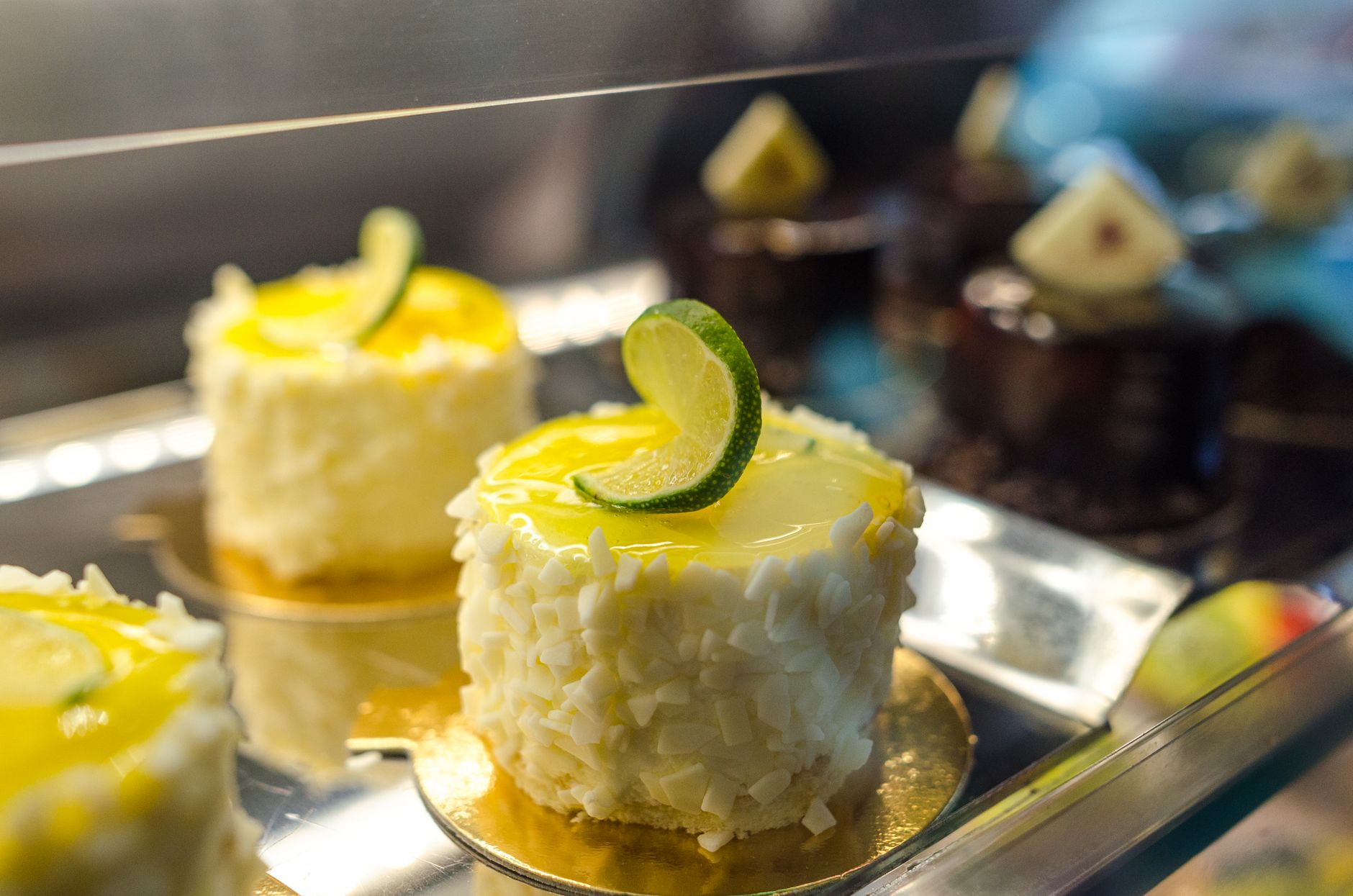
The physical appearance of a dessert has shifted from an afterthought to a core operational requirement. In the current retail environment, a product must be engineered to withstand transport while retaining its aesthetic integrity for digital sharing. Clean geometric lines, glossy mirror glazes, exposed structural layers, and vibrant natural color palettes derived from ube, matcha, and passion fruit are performing exceptionally well across retail channels.
This emphasis on visual appeal has direct implications for packaging and storefront operations. Bakeries are investing heavily in clear, rigid window packaging that displays the product during transit, effectively turning every takeaway customer into a walking advertisement. According to industry observations published by Bake Magazine, desserts designed specifically with digital presentation in mind consistently generate higher organic consumer engagement, reducing overall customer acquisition costs for independent operators.
While elevated desserts offer superior retail pricing power, they also introduce complex labor and inventory considerations. The labor-intensive nature of hand-assembled pastries requires higher skill levels among kitchen staff, raising wage expenses for regional operators. To protect operating margins, commercial kitchens are turning to speed-scratch techniques, utilizing high-quality pre-made bases, frozen pastry shells, and automated piping equipment to streamline assembly.
Ingredient versatility has also become a focal point for menu engineering. Successful bakeries are designing core components, such as a signature fruit compote or praline paste, that can be deployed across multiple menu items including tarts, croissants, and cold beverage toppings. This strategy reduces waste, simplifies inventory management, and allows operations to maintain high throughput during peak morning and afternoon service windows.
For restaurant operators and bakery owners, the current trend dynamics require a careful evaluation of product mix and margin performance. Relying strictly on traditional, low-labor baked goods may result in stagnant sales and eroding market share, particularly among younger demographics who prioritize novelty and visual presentation. Phasing out slow-moving legacy items in favor of two or three high-margin signature pastries can refresh your brand without overwhelming kitchen operations.
For everyday consumers, this market evolution means a broader array of sophisticated, high-quality sweet options available at retail bakeries, coffee shops, and quick-service venues. While individual portion prices may feel higher than in previous years, the shift toward premium ingredients and complex textures delivers a significantly elevated eating experience. Expect to see continued innovation in single-serve formats, bold global flavors, and visually stunning pastry work across all segments of the foodservice landscape.
Sources and methodology
Reported from the public datasets below.
More from the Foodie Pundit Newsroom
- Sofra, a New Dining Concept, Set to Arrive in Lake Worth Beach
- Adore, Billed as Naples' 'Most Spectacular' New Restaurant, Begins Soft Opening
- Sofra Appears on Lake Worth Beach Dining Radar
- The Business Behind the Ice Cream Croissant Craze
- Plant-Based Menu Innovations Drive Revenue Growth Across Restaurant Sector