How Commercial Bakeries Are Leveraging Summer Dessert Trends to Drive Profitability
Commercial bakeries and restaurant operators are revamping summer dessert menus with global flavors, vibrant textures, and visually striking presentations to bo
By Foodie Pundit Newsroom - Published - Section: Desserts Snacks
Key points
- Global flavor profiles and botanical ingredients are displacing traditional, heavy sugar foundations in summer desserts.
- Visual design and Instagram-friendly packaging have become essential operational requirements for new product launches.
- Multi-texture combinations help pastry teams reduce ingredient waste while maintaining premium price points.
- Limited-time frozen dessert offerings provide high-margin revenue streams during peak summer foot-traffic periods.
The commercial pastry sector is undergoing a profound transformation this season as operators balance shifting consumer preferences, supply chain pressures, and social media viral dynamics. Reporting from Bake Magazine indicates that foodservice operators are aggressively adjusting their summer dessert menus to capture high-margin impulse purchases. The traditional reliance on standard vanilla, chocolate, and seasonal berry profiles is giving way to complex flavor pairings, global influences, and visually dramatic presentations designed specifically for digital engagement.
For independent bakeries and national restaurant chains alike, summer represents a crucial window for high-margin dessert sales. Warmer weather historically drives foot traffic toward frozen treats, portable pastries, and refreshing fruit-forward items. However, current macroeconomic factors, including elevated cocoa costs and fluctuating dairy prices, are forcing pastry chefs and commercial operators to think strategically about ingredient utilization. By leveraging vibrant colors, hyper-localized ingredients, and unique textures, businesses are managing food costs while continuing to command premium price points.
SUMMER FLAVOR PROFILES TAKE A GLOBAL TURN
One of the most significant shifts identified in current market analysis is the integration of botanical and international flavor elements into core dessert offerings. Pastry kitchens are increasingly moving away from overly sweet, heavy profiles in favor of tart, floral, and savory balance. Ingredients such as citrus zest, elevated mint varieties, yuzu, hibiscus, and cardamon are moving from niche artisanal shops into mainstream commercial applications. These profiles allow operators to offer refreshing items that appeal to adult palates seeking lighter, less sugary options during hot weather.
Global culinary traditions are also driving structural innovation across the bakery segment. European classic techniques are merging with Asian and Latin American street food concepts, resulting in hybridized items like icy shaved fruit bowls, stuffed croissants, and spiced soft-serve variations. According to industry observations, these fusion items allow bakeries to differentiate their menus in a crowded marketplace. Furthermore, incorporating distinctive global spices enables kitchens to create memorable, signature flavor notes without relying heavily on expensive chocolate formulations.
THE DIGITAL EFFECT ON DESSERT ARCHITECTURE
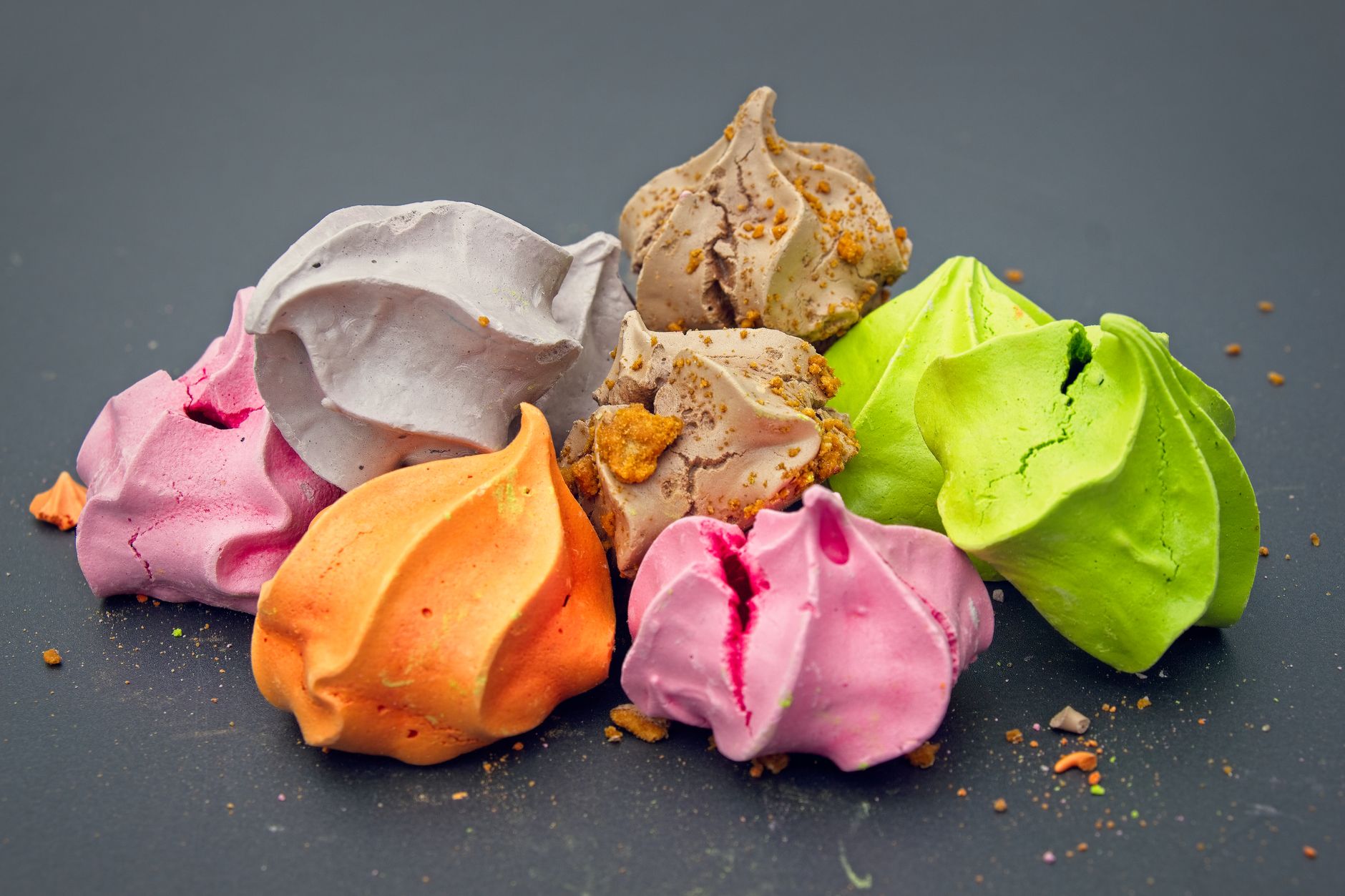
Social media platforms continue to dictate product development strategies for commercial bakeries. Visual appeal has shifted from a secondary consideration to a primary requirement for summer menu launches. Operators are intentionally engineering desserts with eye-catching layers, dramatic color contrasts, and interactive elements like pour-over syrups or tableside torching. This concept of functional design encourages organic customer sharing online, creating a powerful organic marketing channel that reduces traditional promotional expenditures.
However, visual impact must be balanced against operational efficiency and speed of service. High-volume operators are adapting by creating modular dessert components that allow for rapid assembly without compromising aesthetic value. Pre-portioned bases, standardized garnishes, and durable packaging tailored for delivery and takeout are essential tools in this strategy. As off-premise dining remains a significant portion of restaurant revenue, ensuring that frozen and delicate summer sweets survive transit has become a top operational priority.
TEXTURE EXPERIMENTATION BRINGS TACTILE EXCITEMENT
Beyond flavor and visual appeal, texture plays an increasingly vital role in modern dessert development. Pastry chefs are combining contrasting elements within a single dish to create a heightened sensory experience for the diner. Creamy gelato bases are paired with crisp puffed grains, while soft, pillow-like brioche is injected with crunchy caramelized bits or tangy fruit jellies. This multi-textured approach elevates familiar comfort foods into premium experience offerings.
The strategic use of texture also helps operators manage inventory efficiently. Incorporating elements like toasted seeds, dehydrated fruit powders, and baked crumbles allows kitchens to utilize trim and surplus ingredients effectively. By transforming potential food waste into high-value garnishes, bakeries can improve their gross margins while offering dynamic, layered desserts that justify higher menu prices.
The frozen dessert sector is experiencing a major evolution as consumer expectations for quality continue to rise. Standard soft-serve and churned ice creams are being upgraded with premium inclusions, single-origin dairy products, and plant-based alternatives. Artisanal frozen pop concepts, premium shaved ice desserts, and alcohol-infused sorbets are capturing market share by targeting adult consumers seeking indulgence.
Operators are also leveraging limited-time offers to build urgency around seasonal frozen items. Short-run summer menus allow businesses to test unconventional flavor pairings without committing to long-term inventory requirements. These temporary offerings create a sense of exclusivity, driving immediate foot traffic and encouraging repeat visits throughout the summer months.
For daily consumers and restaurant patrons, these industry shifts mean that summer dessert menus will feature far more variety, lower sugar levels, and higher visual appeal than in previous years. While prices for specialty desserts may reflect broader food inflation trends, the level of craftsmanship and flavor complexity available at mainstream establishments is reaching new heights. Expect to see more interactive, customizable options that cater to specific dietary preferences without sacrificing taste or texture.
For restaurant operators and commercial bakers, the current landscape offers a clear pathway to profitability through thoughtful menu engineering. Success this season depends on balancing striking visual presentation with tight cost controls and streamlined assembly methods. By leaning into vibrant, global flavors and smart texture pairings, businesses can capitalize on summer demand, build strong brand loyalty, and protect their margins against fluctuating ingredient markets.
Sources and methodology
Reported from the public datasets below.
More from the Foodie Pundit Newsroom
- General Mills Surges as Cereal and Snack Sales Exceed Quarterly Forecasts
- Pastry Chefs Reveal Science Behind Perfect French Croissant Lamination
- General Mills Signals Strong Consumer Demand as Cereal and Snacks Power Quarterly Earnings
- Morning Rush Retrenching as Premium Bakery Chains Shut Down Stores Nationwide
- Pickle Coffee Trend Shows How Viral Social Media Stunts Drive Menu Innovation