Foodie Pundit

How Gen Z Is Completely Reshaping Restaurant Economics and Flavor Trends

Younger consumers are discarding traditional meal structures in favor of bold flavor mashups, functional ingredients, and all-day snacking.

By Foodie Pundit Newsroom - Published - Updated - Section: Desserts Snacks
How Gen Z Is Completely Reshaping Restaurant Economics and Flavor Trends

Key points

  • Gen Z is replacing three traditional meals per day with continuous, all-day snacking and high-margin functional beverages.
  • Unconventional flavor profiles, particularly sweet-and-spicy combinations and global botanical blends, are now mainstream menu requirements.
  • Restaurant operators must balance adventurous menu items with accessible price points to capture value-conscious young diners.
  • Beverage programs featuring customizable, non-alcoholic options are driving crucial mid-afternoon restaurant traffic.

GEN Z DRIVES A SEISMIC SHIFT IN RESTAURANT DEMAND

A new era of food service economics has arrived as Generation Z establishes its dominance over mainstream dining trends. According to industry analysis from Food Business News, consumers born between the late 1990s and early 2010s are actively dismantling long-held assumptions about how, when, and what Americans eat. Their rising purchasing power is forcing major food manufacturers, grocery retailers, and independent restaurant operators to completely overhaul their product pipelines.

Traditional meal structures are among the first casualties of this demographic transition. Younger consumers are increasingly abandoning the concept of three distinct, structured meals per day in favor of continuous, small-format grazing. Morning menus, traditional sit-down dinners, and standard lunch hours are being replaced by high-protein snacks, adventurous beverages, and late-night convenience purchases. Operators who fail to adapt to this fluid dining schedule risk losing market share to agile brands catering to all-day consumption.

UNEXPECTED FLAVOR COMBINATIONS BECOME THE NEW BASELINE

The most visible impact of this generational shift appears on modern restaurant menus in the form of wild flavor pairings. Gen Z diners exhibit an unprecedented willingness to try contrasting taste profiles that previous generations viewed as incompatible. Sweet and spicy combinations, often referred to in the trade as swicy, have moved from niche novelty items to permanent menu additions across fast food and casual dining chains.

Beyond simple sweet and heat pairings, young consumers are gravitating toward complex, multi-sensory culinary experiences. Tart, floral, earthy, and umami-rich ingredients are frequently blended in single dishes or craft beverages. Food Business News notes that these bold flavor experiments are driven largely by global curiosity and social media discovery. Digital platforms have made regional international ingredients mainstream practically overnight, prompting chefs to accelerate their experimental menu development.

FUNCTIONALITY AND VALUE SHAPE PURCHASING DECISIONS

While adventurous flavor is essential to winning over Gen Z, operational success requires a deep understanding of their economic values. Younger diners are navigating tight personal budgets alongside a strong desire for personal wellness. Rather than viewing dining out as purely social or indulgent, this cohort treats food purchases as targeted investments in their daily mood, energy levels, and physical performance.

Functional ingredients, such as adaptogens, gut-friendly probiotics, and natural energizers, are now expected across casual menus and packaged goods. Consumers want clear health benefits without sacrificing bold taste profiles or paying premium prices. Restaurant operators must balance high-value, functional offerings with accessible price points to capture a generation that evaluates every dollar spent through a dual lens of nutrition and enjoyment.

SNACKING CULTURE OVERTAKES TRADITIONAL DINING ROOMS

The surge in snacking culture presents both a challenge and an opportunity for restaurant business models. Off-premise dining, digital ordering, and portable packaging are now minimum requirements for reaching younger patrons. Sit-down chains are restructuring their floor plans to accommodate dedicated pickup areas, while fast-casual concepts are leaning into micro-portioned menu items that travel well.

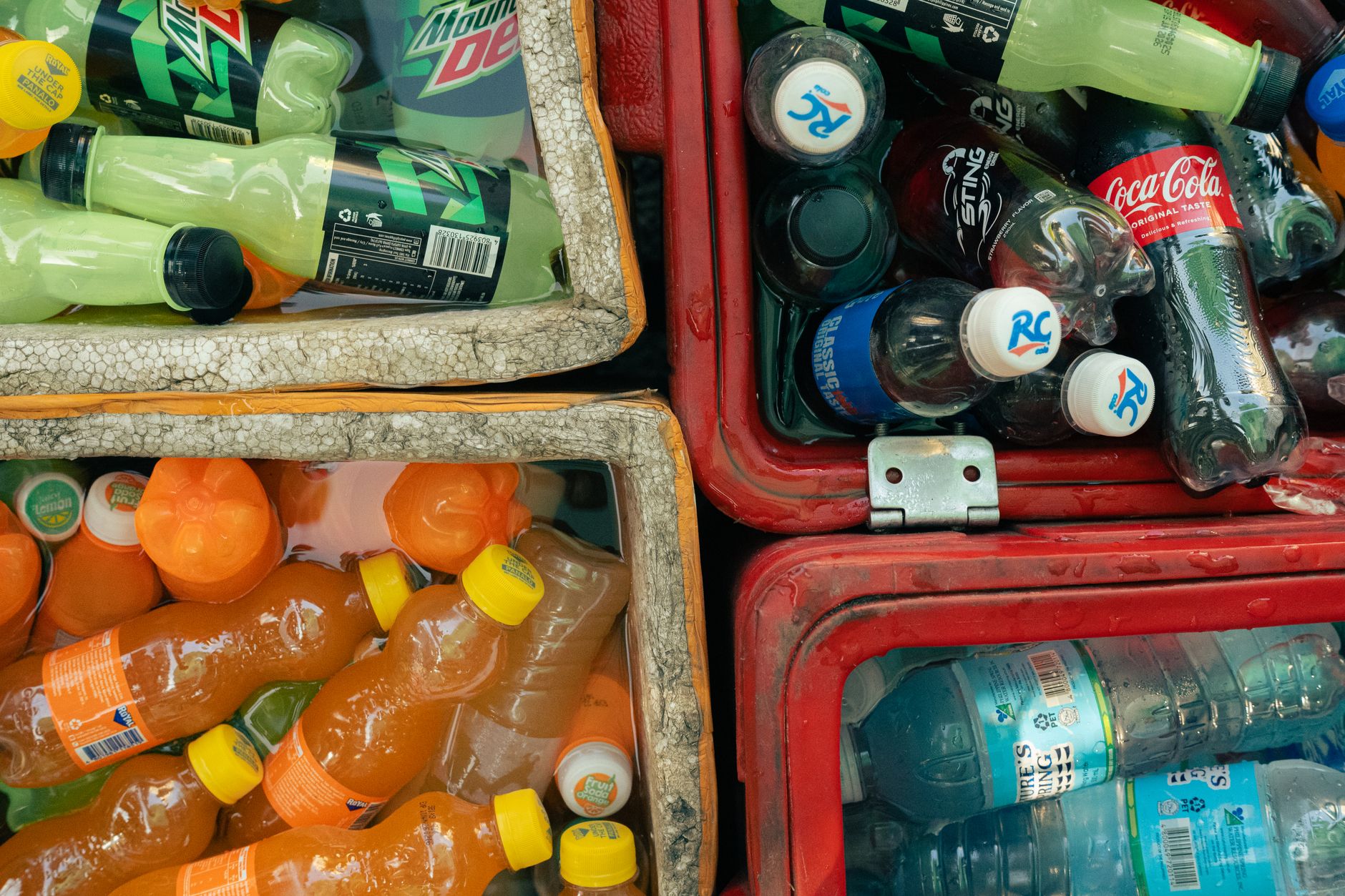
Beverages have emerged as a primary engine for higher average check sizes among Gen Z guests. Specialized iced teas, botanical sodas, craft coffees, and non-alcoholic functional drinks frequently replace traditional food purchases as afternoon rewards. Restaurants that offer customizable, highly visual drink menus are seeing stronger traffic growth during historically slow mid-afternoon hours, effectively creating new revenue streams out of thin air.

SUPPLY CHAIN AND MARKETING MUST REALIGN FAST

The rapid evolution of consumer taste profiles is sending shockwaves through food service supply chains. Ingredient suppliers must pivot quickly to source specialized chili peppers, unique global botanicals, and high-quality functional additives at commercial scale. Distributors that cannot maintain steady inventory of these trending items face severe churn as culinary teams switch vendors to keep up with consumer expectations.

Marketing strategies must similarly abandon traditional advertising playbooks. Modern food marketing relies heavily on authentic engagement, short-form digital video, and limited-time promotional drops that generate viral interest. Gen Z consumers quickly identify and reject artificial marketing gimmicks, forcing brands to ensure that their menu innovations deliver genuine quality alongside visually striking presentations.

For everyday consumers, this industry transformation means unprecedented variety and convenience every time you step up to a counter or open a delivery app. You will continue to see more flexible menu designs that cater to quick bites, late-afternoon pick-me-ups, and unconventional flavor cravings without requiring a full sit-down commitment. Health-conscious shoppers can expect functional benefits like natural energy and gut health support to become standard features across everyday foods rather than specialty store exclusives.

For restaurant workers and business owners, surviving this shift requires operational flexibility and a willingness to break traditional culinary rules. Operators must evaluate their mid-afternoon menus, invest in high-margin beverage programs, and streamline digital pickup channels. By leaning into bold flavor pairings and prioritizing accessible pricing, dining establishments can build lasting loyalty with the most influential demographic in the modern food economy.

Sources and methodology

Reported from the public datasets below.

All sources Foodie Pundit reports from

More from the Foodie Pundit Newsroom

Permalink