How GLP-1 Appetite Suppressants Are Rewiring Restaurant Menus and Consumer Cravings
As GLP-1 medications alter how brains and bodies process flavor and fullness, food operators face declining alcohol sales, smaller check sizes, and a total reth
By Foodie Pundit Newsroom - Published - Section: Glp1 Weight Loss
Key points
- GLP-1 medications suppress the brain reward response to high-fat, high-sugar foods, leading patients to experience sudden taste and craving shifts.
- Restaurant chains face margin pressures as patients cut back on high-profit items like alcoholic beverages, fried appetizers, and desserts.
- Chefs and food manufacturers are pivoting toward smaller, protein-dense portions and lighter flavor profiles to accommodate changing appetites.
- The surge in GLP-1 adoption is driving growth in sophisticated non-alcoholic beverage programs across the food service industry.
GLP-1 RECEPTOR AGONISTS REDEFINE DINING PATTERNS
The rapid adoption of GLP-1 receptor agonist medications like Ozempic, Wegovy, and Mounjaro is creating a seismic shift across the restaurant and food service industry. Originally developed to treat type 2 diabetes and later approved for weight management, these injectable drugs mimic natural hormones that regulate blood sugar and appetite. As millions of consumers start these regimens, food intelligence analysts are tracking a profound side effect that extends far beyond simple calorie reduction: a fundamental altering of taste preferences, food cravings, and sensory satisfaction. Reporting from TODAY highlights how patients are suddenly abandoning lifelong dietary habits, leaving commercial kitchens and menu developers scrambling to adapt.
For decades, the restaurant business model relied heavily on high-margin, hyper-palatable menu items rich in fat, sugar, and salt. These ingredients trigger dopamine pathways in the brain, driving repeat visits and indulgent ordering patterns. However, GLP-1 medications directly blunt the brain reward centers associated with eating, effectively dampening the neurological hit derived from deep-fried appetizers, heavy cream sauces, and sugary desserts. Consumers on these treatments frequently report that previously irresistible comfort foods now seem unappealing, overly sweet, or physically difficult to digest.
sensory shifts reported by patients include a heightened sensitivity to bitterness, a sudden aversion to alcohol, and a complete distaste for greasy foods. Many diners express surprise at finding their go-to orders unpalatable within weeks of starting treatment. A meal that once generated anticipation might suddenly trigger mild nausea or intense satiety after just a few bites. This rapid biological change presents a unique challenge for restaurant operators, who must now serve a growing demographic whose physiological relationship with food has been fundamentally rewritten.
OPERATIONAL IMPACT ON HIGH-MARGIN MENU ITEMS
The economic implications for full-service dining establishments and fast-casual chains are significant. Historically, profitability in the hospitality sector depends on upselling high-margin add-ons such as specialty cocktails, deep-fried starters, and premium desserts. As GLP-1 medications suppress appetite and alter taste perception, average check sizes are coming under pressure. Diners are declining appetizers, skipping the beverage program, and leaving substantial portions of main entrees unfinished.
Industry operators are already observing changes in foot traffic and spending habits at mainstream casual dining establishments. Traditional happy hour programs, which rely on a combination of salty snacks and alcoholic drinks, are seeing shifts in consumer engagement. Because many GLP-1 users report an immediate reduction in alcohol cravings alongside their decreased appetite, beverage sales are experiencing a noticeable drag. Restaurant CFOs are forced to re-evaluate revenue projections that long assumed steady growth in high-margin drink and dessert categories.
Furthermore, the fast food and quick-service restaurant sectors face their own strategic hurdles. Ultra-processed foods engineered for maximum craveability lose much of their commercial advantage when consumed by individuals on GLP-1 therapies. Value meals structured around large portions of fried carbohydrates and sweetened beverages are losing appeal among this cohort. Operators are realizing that discounting strategies centered on sheer volume no longer convert customers who experience early and persistent fullness.
REACTIVE STRATEGIES ACROSS THE FOOD SERVICE SECTOR
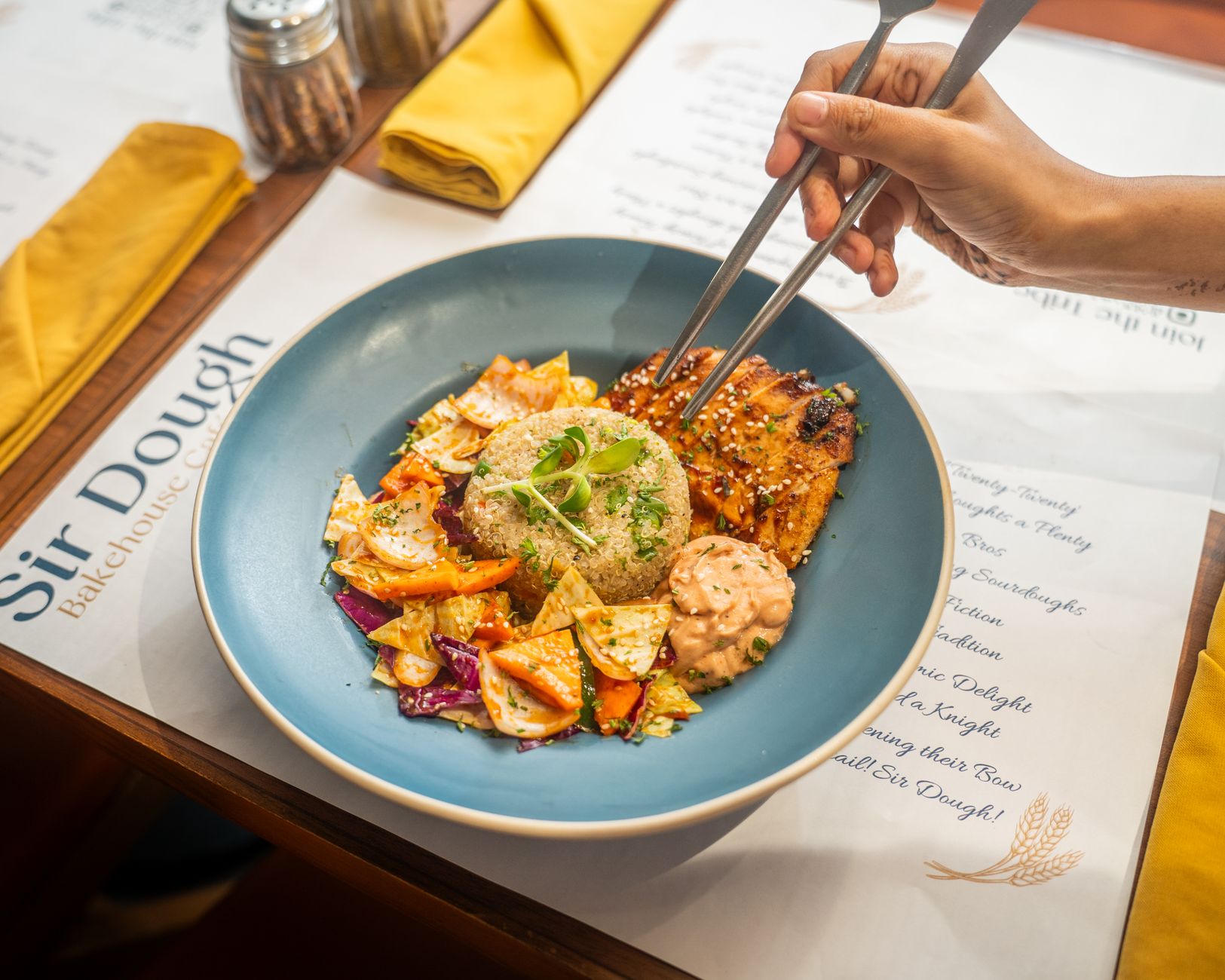
To protect margins and maintain customer relevance, culinary teams are rethinking menu design from the ground up. The focus is shifting away from massive portion sizes toward nutrient-dense, high-protein offerings that cater to smaller appetites. Chefs are experimenting with cleaner flavor profiles, emphasizing fresh herbs, acid, and umami rather than relying on heavy fats and sugars to deliver taste. Small plates, customizable tapas, and nutrient-focused ala carte options are becoming essential tools for retaining GLP-1 users.
packaged food companies and grocery retailers are similarly pivoting their product development pipelines. Major food manufacturers are investigating smaller portion sizes and higher protein formulations to prevent muscle loss in GLP-1 patients. Retailers are adjusting shelf placement to highlight functional foods, hydration solutions, and easily digestible snacks. The broader food ecosystem is learning that appealing to this evolving consumer base requires a complete departure from traditional junk food marketing tactics.
The beverage sector is undergoing a parallel transformation. As demand for traditional alcoholic drinks and high-sugar sodas cools among medicated consumers, demand for sophisticated non-alcoholic alternatives is surging. Restaurant beverage directors are expanding mocktail programs, premium teas, and functional sparkling waters. These options allow establishments to maintain profitable beverage margins while providing options that align with the altered palates and lower tolerance levels of GLP-1 users.
For everyday consumers and restaurant patrons, the widespread adoption of GLP-1 medications will result in a noticeably different dining landscape over the coming years. Menu options across all price points will increasingly feature smaller portion sizes, elevated protein content, and lighter flavor profiles. Diners can expect restaurants to offer more flexible ordering structures, such as expanded starter menus and shared plate concepts, making it easier to enjoy a meal out without feeling pressured to order large, heavy entrees.
Additionally, the cost structure of dining out may subtly adjust as operators recalibrate their pricing models. As restaurants sell fewer high-margin alcohol and dessert items, baseline prices for lighter entrees and specialized non-alcoholic beverages may rise to offset lost revenue. Consumers should also anticipate greater clarity in menu labeling regarding protein density and portion weight, allowing individuals on weight management therapies to make informed choices that suit their altered appetite dynamics.
Sources and methodology
Reported from the public datasets below.
More from the Foodie Pundit Newsroom
- How Weight Loss Medications Are Transforming Grocery Shopping and Restaurant Menus
- Changing Taste Buds and Curbed Cravings Force a Strategic Shift in Restaurant Economics
- How GLP-1 Medications Are Transforming Consumer Cravings and Forcing Menu Innovations
- Ozempic and Wegovy Trigger Unexpected Dietary Shifts as Consumer Cravings Evolve
- Beyond the Prescription: Why GLP-1 Medications Are Not a Simple Solution for Weight Loss