Foodie Pundit

San Antonio Cocktails Go High-Concept as Immersive Lounges Bet Big on Visual Real Estate

Modern lounge design leans into vibrant visual aesthetics to boost customer acquisition and maximize high-margin beverage sales in competitive local markets.

By Foodie Pundit Newsroom - Published - Updated - Section: Beverages
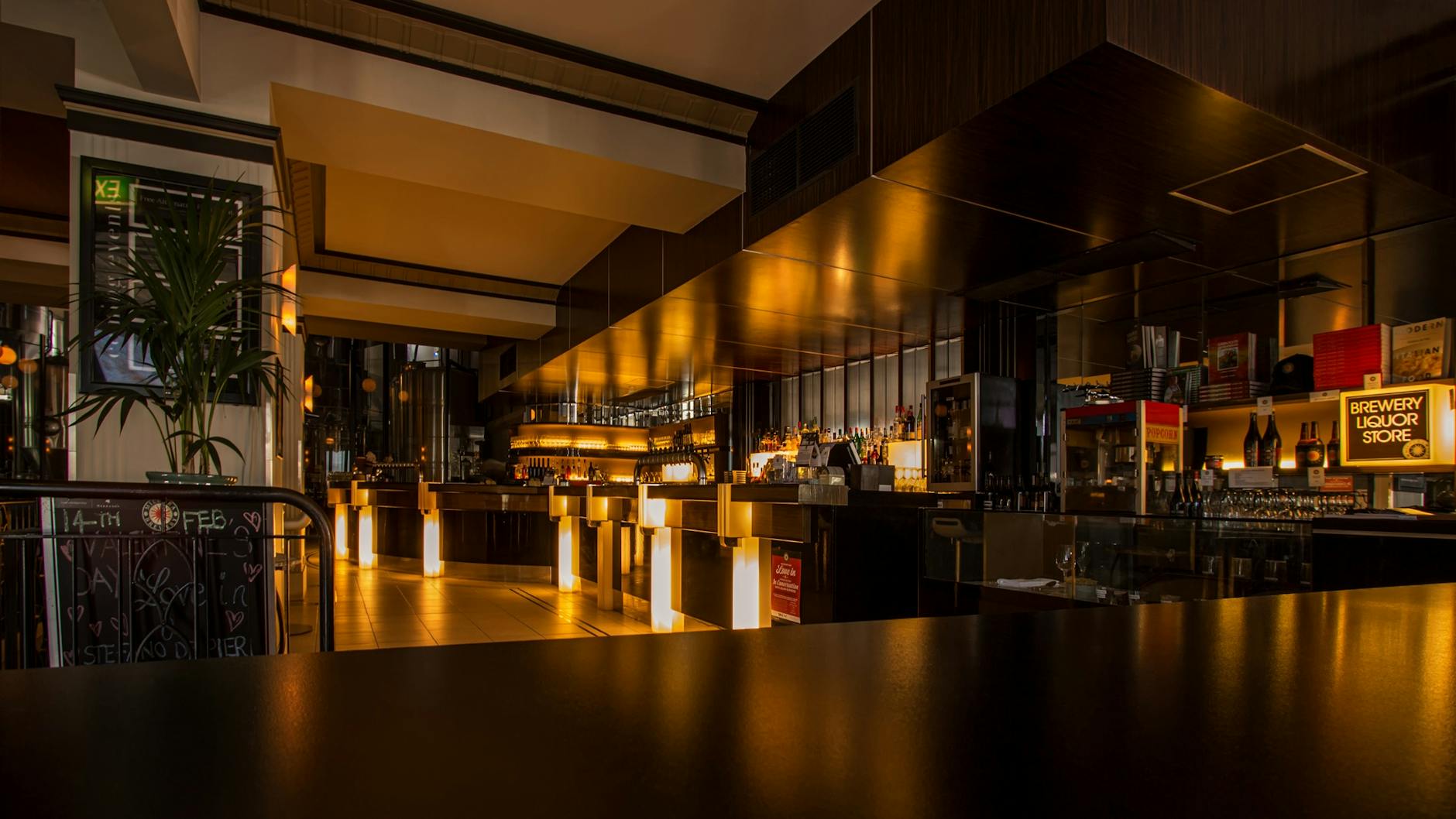
San Antonio Cocktails Go High-Concept as Immersive Lounges Bet Big on Visual Real Estate

Key points

  • Visual-heavy lounge concepts reduce customer acquisition costs by using shareable interior design to trigger organic social marketing.
  • High-concept cocktail programs drive profitability through elevated margins on specialty botanical and house-made ingredients.
  • Higher initial capital expenditures for immersive decor require operators to maintain strict operational controls and service standards.
  • San Antonio continues to attract independent hospitality investments designed to meet demand for high-end local nightlife options.

The modern hospitality industry is undergoing a shift as venue design moves from low-key dining rooms to high-impact visual spaces. A prime example is unfolding in San Antonio with the opening of The Pink Room, a luxury cocktail lounge engineered to capitalize on social media trends while running high-margin beverage menus. Coverage from local outlets like MySanAntonio highlights how the concept reflects a broader national strategy among independent bar operators looking to boost foot traffic through immersive aesthetics.

For decades, cocktail bars relied on dim lighting, dark mahogany wood, and quiet alcoves to cultivate an atmosphere of exclusivity. The rise of digital sharing changed those venue economics. Operators now treat every square foot of an establishment as potential marketing collateral, integrating vibrant color palettes, custom neon signage, and stylized velvet furnishings directly into the operational architecture. The Pink Room relies heavily on this design philosophy, pairing pink decor with premium mixology programs intended to encourage organic customer photography.

Investing in custom interior design can provide a distinct return on investment by reducing long-term digital marketing expenditures. Traditional bar openings require extensive ad buys, public relations agency retainer fees, and targeted promotional campaigns to build consumer awareness. By contrast, visually distinct spaces turn every patron into a content creator who broadcasts the venue to local networks without direct customer acquisition costs for the operator.

Industry data suggests that experiential beverage venues attract a demographic that prioritizes shareable moments alongside product quality. When customers post photos of specialized drink presentation, plush lounge seating, and curated wall art, the geographical reach of the establishment expands exponentially. Operators behind concepts like The Pink Room leverage this dynamic to maintain occupancy rates during off-peak weekday hours, as social media creators often seek out uniquely designed spaces during quieter operational windows.

Beyond the physical environment, the financial engine of luxury cocktail lounges relies on meticulous beverage menu engineering. Premium cocktail programs typically yield significantly higher gross profit margins than traditional draft beer or standard wine programs. Ingredients such as artisanal syrups, specialty ice formats, edible garnishes, and botanical infusions cost pennies per serving yet allow operators to command premium prices per glass.

The beverage program at establishments such as The Pink Room aligns closely with these margin dynamics. High-concept drinks featuring unique color profiles or dramatic visual serves directly complement the surrounding aesthetic, encouraging guests to order visually striking items over conventional menu staples. This alignment between cocktail presentation and room decor creates a self-reinforcing commercial ecosystem where the product and the environment reinforce the overall value proposition.

While visual-heavy concepts enjoy strong initial buzz, maintaining long-term solvency requires managing elevated overhead costs. Immersive venues face higher upfront capital expenses due to custom fabrication, specialized lighting systems, and high-end upholstery materials that demand frequent cleaning or periodic refurbishment. Commercial leases in trendy nightlife districts also carry substantial fixed monthly costs that must be sustained after the initial promotional phase subsides.

To mitigate these risks, successful operators focus heavily on hospitality standards and service speed alongside visual appeal. If service delivery lags or beverage quality drops, visual novelties quickly lose their power to drive repeat visits. Maintaining rigorous staff training programs, optimizing bar back efficiency, and ensuring high inventory turnover remain vital operational metrics for sustaining profitability once the initial novelty of a newly opened lounge normalizes within the local market.

San Antonio has emerged as a dynamic battlefield for independent food and beverage operators, driven by rapid population growth and expanding economic development across key urban corridors. As competition intensifies among local operators, standing out requires clear market differentiation. The introduction of targeted concepts like The Pink Room highlights a growing sophistication within the regional market, as operators tailor specific environments to distinct customer segments rather than attempting to appeal to a generic audience.

Local coverage from outlets such as MySanAntonio notes how regional consumers are increasingly demanding polished, metropolitan-style nightlife concepts within their home city. Independent operators who can successfully merge regional hospitality with high-end interior aesthetics are well-positioned to capture market share from national chain establishments. By offering curated environments tailored to current lifestyle trends, local venues retain consumer spending that might otherwise flow to larger metropolitan centers.

For hospitality consumers and local industry professionals, the arrival of tailored visual concepts demonstrates how venue design directly impacts the night-out experience. Customers gain access to specialized spaces designed for social gathering, premium mixology, and high-end atmosphere without needing to leave the local market. Operators can study these venues to understand how visual design, social sharing, and high-margin product engineering intersect to create modern business resilience.

Ultimately, the growth of immersive lounge concepts represents a shift toward experience-based consumer spending in the hospitality sector. As patronage habits continue to evolve, bars that balance striking aesthetics with sound financial fundamentals will set the standard for urban nightlife development. By tracking these trends, food and beverage stakeholders can better navigate changing consumer expectations in an increasingly visual marketplace.

Sources and methodology

Reported from the public datasets below.

All sources Foodie Pundit reports from

More from the Foodie Pundit Newsroom

Permalink