How Internet Culture Is Redefining Commercial Dessert Menus
Social media platforms are reshaping commercial baking as viral savory flavors make a profitable jump to the pastry case.
By Foodie Pundit Newsroom - Published - Updated - Section: Desserts Snacks
Key points
- Short-form video platforms are accelerating the trend cycle for sweet and savory fusion desserts.
- Commercial bakeries are using ingredients like chili crunch, miso, and hot honey to create complex flavor profiles.
- Visual appeal and dynamic textures are now primary design parameters for high-margin menu development.
- Proactive supply chain management allows operators to capitalize on rapid spikes in consumer interest.
INDUSTRY SHIFT TOWARD VIRAL FLAVOR CROSSOVERS
The global dessert landscape is undergoing a rapid evolution driven by social media algorithms and changing consumer palates. Commercial bakeries, independent pastry shops, and major food service operators are increasingly restructuring their product development pipelines around internet culture. According to recent trade analysis by Bake Magazine, flavor profiles that once dominated savory menu categories are now being reinterpreted into high-end confections. This shift reflects a broader transformation in how food trends originate, disseminate, and generate revenue across the food and beverage sector.
Historically, culinary innovation flowed downward from fine dining institutions to casual concepts and packaged consumer goods. Today, digital platforms like TikTok and Instagram act as the primary incubators for trend creation, accelerating the timeline from concept to commercial distribution. Restaurant operators are observing that viral culinary trends are no longer confined to novel presentation hacks. Instead, they are reshaping the core flavor preferences of younger demographics, particularly Generation Z and Millennial diners who prioritize novelty and visual appeal in their dining decisions.
One of the most significant developments in the 2024 pastry sector is the systematic integration of savory, umami, and spicy elements into traditional dessert matrices. Bakers are adapting viral savory dishes, such as birria, chili crunch, and herbal pesto, into sweet applications. This approach leverages familiar visual cues from viral video feeds while delivering unexpected sensory experiences that encourage repeat trials and digital sharing.
The technical execution of these fusion concepts requires precise adjustments to traditional pastry science. Formulators must carefully balance salt, fat, and sugar content to ensure that non-traditional ingredients harmonize with classic dessert bases like buttercream, choux pastry, and ganache. For example, hot honey and chili-infused oils are being incorporated into chocolate truffles and ice cream bases to provide a lingering, warm finish. Similarly, fermented ingredients like miso and gochujang are being utilized to enhance depth in caramel sauces and baked pastries, offering a complex alternative to standard salt additions.
THE ROLE OF SHORT-FORM VIDEO IN RETAIL STRATEGY
The impact of viral content extends far beyond product formulation, directly influencing inventory management and marketing budgets for retail bakeries. Short-form video platforms allow micro-trends to gather momentum overnight, forcing commercial kitchens to adopt more agile supply chains. Operators who can rapidly source specialized ingredients and launch limited-time offers are capturing a disproportionate share of foot traffic and media attention.
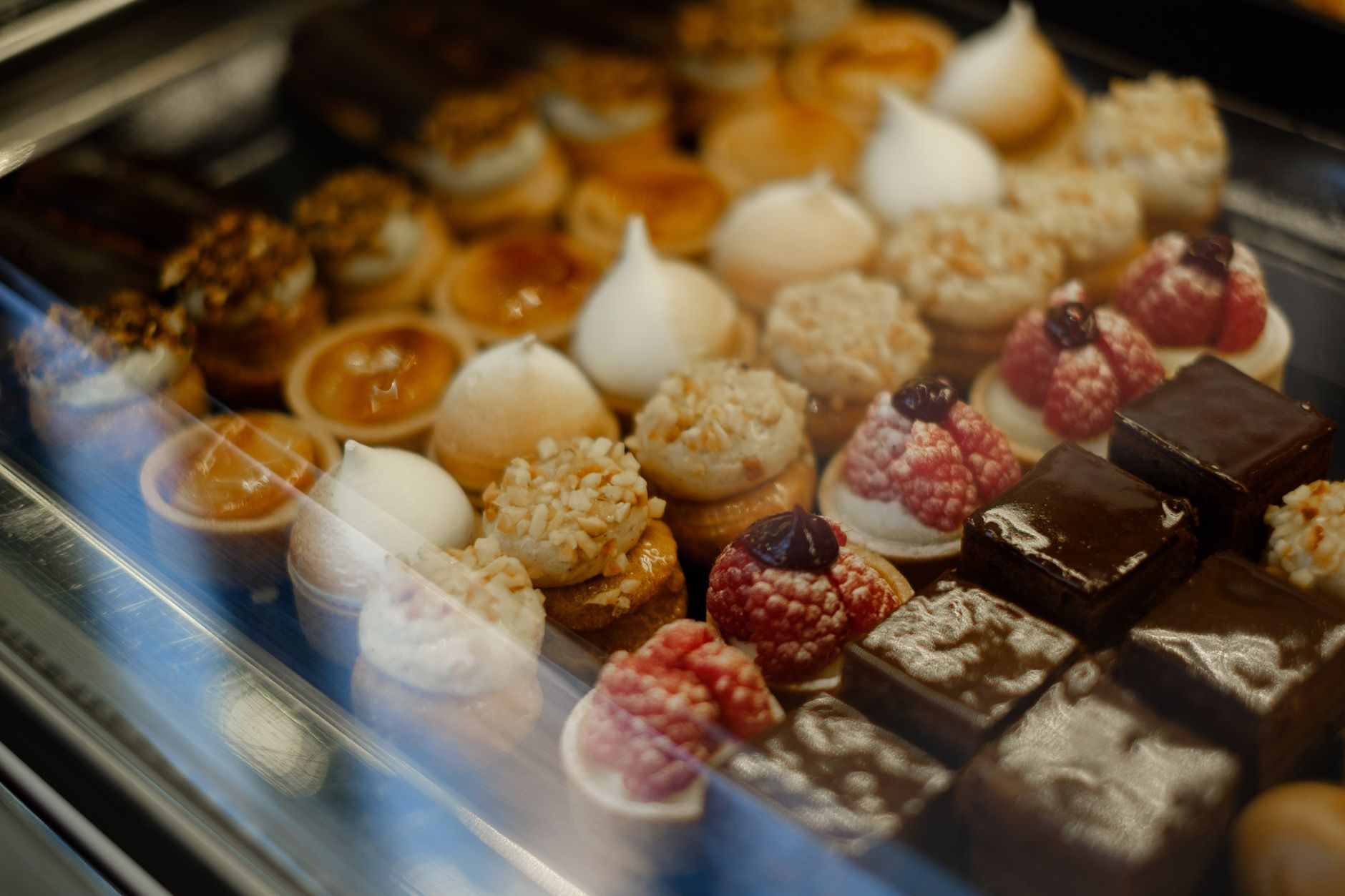
Bake Magazine notes that visual texture plays a critical role in determining whether a sweet item achieves viral success. Desserts featuring distinct cross-sections, pull-apart mechanics, or dynamic pours perform significantly better on digital platforms than static items. As a result, pastry chefs are designing menu items with camera-readiness as a primary specification, ensuring that the physical interaction with the food generates organic user-created promotional content.
ECONOMIC IMPLICATIONS FOR RESTAURANT OPERATORS
From a financial perspective, social-media-inspired desserts offer attractive profit margins for restaurant operators. Pastry programs have historically struggled with higher labor costs and lower average check contributions compared to savory courses. By aligning dessert offerings with viral internet phenomena, operators can command premium price points for items that utilize relatively low-cost foundational ingredients like flour, butter, and sugar.
Furthermore, these limited-time viral desserts drive incremental check growth and expand non-peak revenue hours. Bakery concepts that launch limited runs of viral-inspired pastries report long lines during traditionally slow mid-afternoon periods. The high demand for these specialized items allows businesses to reduce food waste through strict daily production caps, creating an aura of scarcity that further fuels consumer interest and social media engagement.
The rapid adoption of social media dessert trends is creating localized supply chain pressures for specialized ingredients. Distributors are reporting surges in demand for specific produce, specialty spices, and non-traditional dairy products that were previously restricted to niche ethnic markets or high-end culinary supply houses. Ingredients such as ube, black sesame, matchas, and various global chili pastes are becoming standard pantry items in mainstream commercial bakeries.
To mitigate supply volatility, larger culinary brands are establishing dedicated trend-forecasting teams to monitor social media metrics months in advance of seasonal menu overhauls. By analyzing engagement data, comment sentiment, and search volumes, procurement managers can secure forward contracts for trending commodities. This proactive approach ensures that supply lines remain stable even when a specific viral flavor experience creates an unexpected spike in consumer demand.
For everyday consumers, this trend means that dessert menus at local eateries and national chains will continue to become more adventurous, offers unexpected flavor combinations that challenge conventional pastry standards. You will likely see fewer traditional vanilla and chocolate offerings in favor of dynamic options featuring global spices, sweet-and-savory contrasts, and striking visual elements. While these innovation-driven items often carry higher price tags, they provide unique dining experiences that blend pop culture with modern gastronomy. Consumers can expect bakery cases to rotate more frequently as operators continuously adapt their inventory to keep pace with the fast-moving digital landscape.
Sources and methodology
Reported from the public datasets below.
More from the Foodie Pundit Newsroom
- Fast Food Chains Revive Value Menus as Inflation-Weary Diners Cut Back
- New York Outlaws Forever Chemicals in Food Packaging as Industry Braces for Supply Chain Shift
- How Chef Nyesha Arrington Prime Time Return Reflects Changing Restaurant Economics
- Culinary Media Expansion Accelerates as Chef Nyesha Arrington Takes Center Stage on Prime Time Competition Circuit
- Viral Social Trends Drive Rapid Innovation and Supply Shifts Across the Commercial Dessert Sector