How Modern Bakeries Are Retooling Menus With High-Concept Sweets
Commercial bakeries and restaurants are ditching standard brownies and simple cakes in favor of visually dynamic, high-margin creations designed for modern dine
By Foodie Pundit Newsroom - Published - Updated - Section: Restaurants
Key points
- Standard baked goods like plain brownies and sheet cakes are losing market share to visual-first, multi-textured desserts.
- High-concept pastries command premium price points, helping operators absorb higher labor and ingredient costs.
- Global flavors such as ube, matcha, and passion fruit are driving both color and taste innovation in retail pastry shops.
- Investments in automated kitchen equipment and specialized molds allow smaller bakeries to execute complex designs efficiently.
The commercial baking industry is undergoing a massive aesthetic and culinary shift as operators abandon traditional, low-margin standard pastries in favor of high-concept visual treats. According to fresh analysis from industry tracker Bake Magazine, consumer demand for basic chocolate brownies and plain sheet cakes has plummeted, replaced by a preference for multi-textured, highly photogenic confections designed for social media sharing. Restaurant operators and wholesale bakeries are adapting by retooling production lines and adopting premium ingredients that justify elevated menu price points.
This transformation, often referred to within trade circles as the dessert glow up, is driven largely by changing demographics and visual-first digital platforms. Young diners are increasingly prioritizing unique sensory experiences over traditional comfort foods, pushing bakeries to innovate with unexpected flavor combinations, vibrant colors, and architectural shapes. The economic implications are substantial, allowing bakeries to capture higher margins on specialty items even as raw material costs for dairy and sugar remain volatile across global supply chains.
For decades, standard menu offerings like classic chocolate chip cookies, traditional fruit pies, and simple frosted brownies served as reliable profit centers for retail bakeries. These items required low skilled labor, relied on inexpensive ingredients, and boasted long shelf lives that minimized food waste. However, recent sales data highlights a sharp turn in consumer purchasing habits, with basic baked goods experiencing stagnant or declining volume across both independent shops and multi-unit chains.
Bake Magazine notes that today's consumers view traditional desserts as low-value options that can easily be made at home or purchased cheaply at grocery stores. When diners choose to spend money on a restaurant dessert or visit a neighborhood bakery, they expect an elevated experience that offers novelty. Consequently, simple brownies are being phased out or radically redesigned with artisanal sea salts, single-origin cacao, and complex botanical infusions to maintain consumer interest.
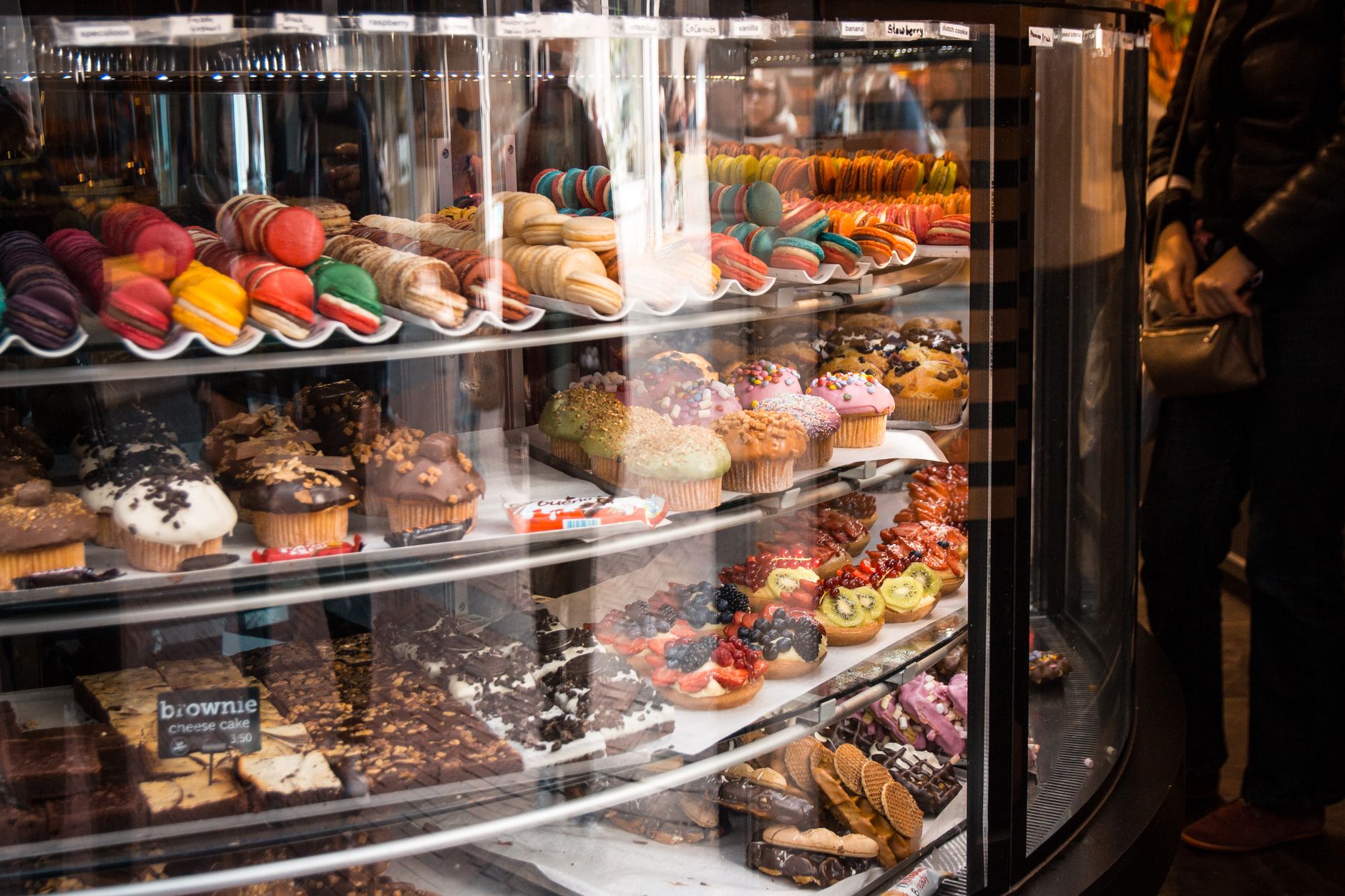
Replacing these legacy items are visually striking creations that fuse technical pastry skills with global flavor profiles. Croissants featuring vivid color laminations, dramatic multi-layered tarts, and interactive tableside presentations are capturing the lion's share of consumer spend. Bakeries are utilizing ingredients like ube, passion fruit, matcha, and black sesame not only for their distinctive flavor profiles, but also for the striking visual appeal they bring to the display case.
The physical architecture of desserts is also changing to accommodate mobile photography. Modern pastry chefs are prioritizing structural integrity and precise cross-sections, ensuring that sliced cakes and layered pastries retain their clean lines when cut on camera. This focus on visual presentation has forced equipment manufacturers to develop specialized cutting tools and climate-controlled display cases that preserve both texture and appearance under retail lighting.
Transitioning from simple tray bakes to complex, elevated desserts presents both financial opportunities and operational challenges for commercial kitchens. High-concept items command significantly higher retail prices, often double or triple the price of a standard brownie, which helps offset rising labor costs and expensive specialized machinery. Furthermore, these eye-catching products serve as zero-cost marketing tools, as customers routinely publish photographs of their purchases across social media networks.
However, the labor required to produce modern elevated pastries is significantly higher than that of traditional baked goods. Bakeries must invest in skilled labor or intensive staff training to execute intricate techniques like precision glazing, sugar work, and multi-day dough lamination consistently. Sourcing specialty imported pastes, rare chocolates, and natural colorants also complicates inventory management, requiring precise demand forecasting to prevent costly ingredient spoilage.
To support this shift toward complex visual desserts, ingredient suppliers and commercial equipment vendors are releasing specialized product lines targeted at mid-sized bakeries. Freeze-dried fruit powders, pre-made mirror glazes, and bake-stable filling creams allow smaller operations to produce high-end visual effects without hiring master pastry chefs. These ready-to-use professional ingredients level the playing field, enabling independent cafes to compete directly with high-end hotel pastry departments.
On the hardware side, compact blast chillers, automated dough sheeters, and specialized silicone molds are becoming standard equipment in modern bakeries. These tools reduce the manual labor hours required to assemble intricate multi-layer treats while ensuring strict portion control. By standardizing the production process through smart equipment investments, bakery owners can maintain high quality control standards across multiple shifts while maximizing total daily output.
For retail consumers, this ongoing shift means an explosion of creative, premium dessert choices when dining out or visiting local bakeries. While you can expect to pay higher prices for individual treats, the quality of ingredients, technical artistry, and overall flavor complexity have reached unprecedented levels across the industry. Simple, traditional sweets may become harder to find at standalone specialty shops, but the overall standard for bakery innovation continues to reach new heights.
Restaurant owners and bakery operators must evaluate their current dessert menus to identify underperforming legacy items that drag down profit margins. Investing in elevated visual techniques, unique flavor pairings, and smart kitchen automation can help attract younger demographics while boosting check averages. By embracing this trend toward high-concept sweet offerings, foodservice businesses can build a resilient, high-margin revenue stream that thrives in today's visual-driven marketplace.
Sources and methodology
Reported from the public datasets below.
More from the Foodie Pundit Newsroom
- National Chains Roll Out Aggressive Discount Push To Capture Budget Conscious Diners
- How Culinary Secrets and Social Trends are Transforming Everyday Dining
- The Restaurant People Head Upward with Fort Lauderdale Rooftop Venue
- McDonald's Overhauls Iconic McNuggets to Meet Rising Fast Food Standards
- Social Media Favorite Butter Boards Return With Elevated Flavors and Commercial Menu Power