How Modernizing Culinary Trends Are Transforming Restaurant Dessert Economics
Innovative flavor profiles and complex textures are reshaping food service menus as restaurants capitalize on lucrative sweet margins.
By Foodie Pundit Newsroom - Published - Updated - Section: Desserts Snacks
Key points
- Global flavors like matcha, pandan, and orange blossom are driving menu expansion across casual and fine dining concepts.
- Multi-sensory textural contrasts and reduced sugar profiles are replacing traditional, heavy confections.
- Optimized dessert programs offer crucial high-margin revenue opportunities to offset rising labor and protein costs.
The commercial sweet treats landscape is undergoing a dramatic structural transformation as consumer preferences shift away from hyper-sugary, mass-produced confections toward nuanced, global, and texturally complex offerings. According to recent market analysis from Food Business News, restaurant operators and industrial bakeries are recalibrating their menu development strategies to address changing diner demographics. This shift reflects broader macroeconomic trends in food service, where input cost volatility and evolving health consciousness are pushing pastry chefs to innovate with unconventional ingredients.
As operators navigate rising labor expenses and fluctuating commodity prices for cocoa and dairy, high-margin dessert programs have become critical for maintaining overall store profitability. Establishments that successfully modernize their sweet menus are seeing higher average check sizes and improved customer retention rates. The latest industry intelligence highlights several distinct culinary vectors driving growth across casual dining, fine dining, and quick-service restaurant sectors.
One of the primary drivers in the contemporary dessert landscape is the rapid integration of botanical, savory, and internationally inspired flavor profiles. Consumers are increasingly seeking out items that feature regional ingredients such as Japanese matcha, Southeast Asian pandan, Middle Eastern orange blossom, and Latin American chamoy. Industry tracking from Food Business News indicates that menus incorporating these complex taste profiles have experienced double-digit growth over the past four calendar quarters.
This appetite for adventure allows operators to differentiate their brand identity without requiring significant overhauls to core kitchen equipment. By pairing familiar formats like cheesecakes, donuts, and mousses with distinct international elements, kitchens can minimize operational friction while commanding premium price points. Furthermore, incorporating tart, herbal, or lightly salted notes helps mitigate flavor fatigue, encouraging diners to finish full portions and consider secondary beverage pairings.
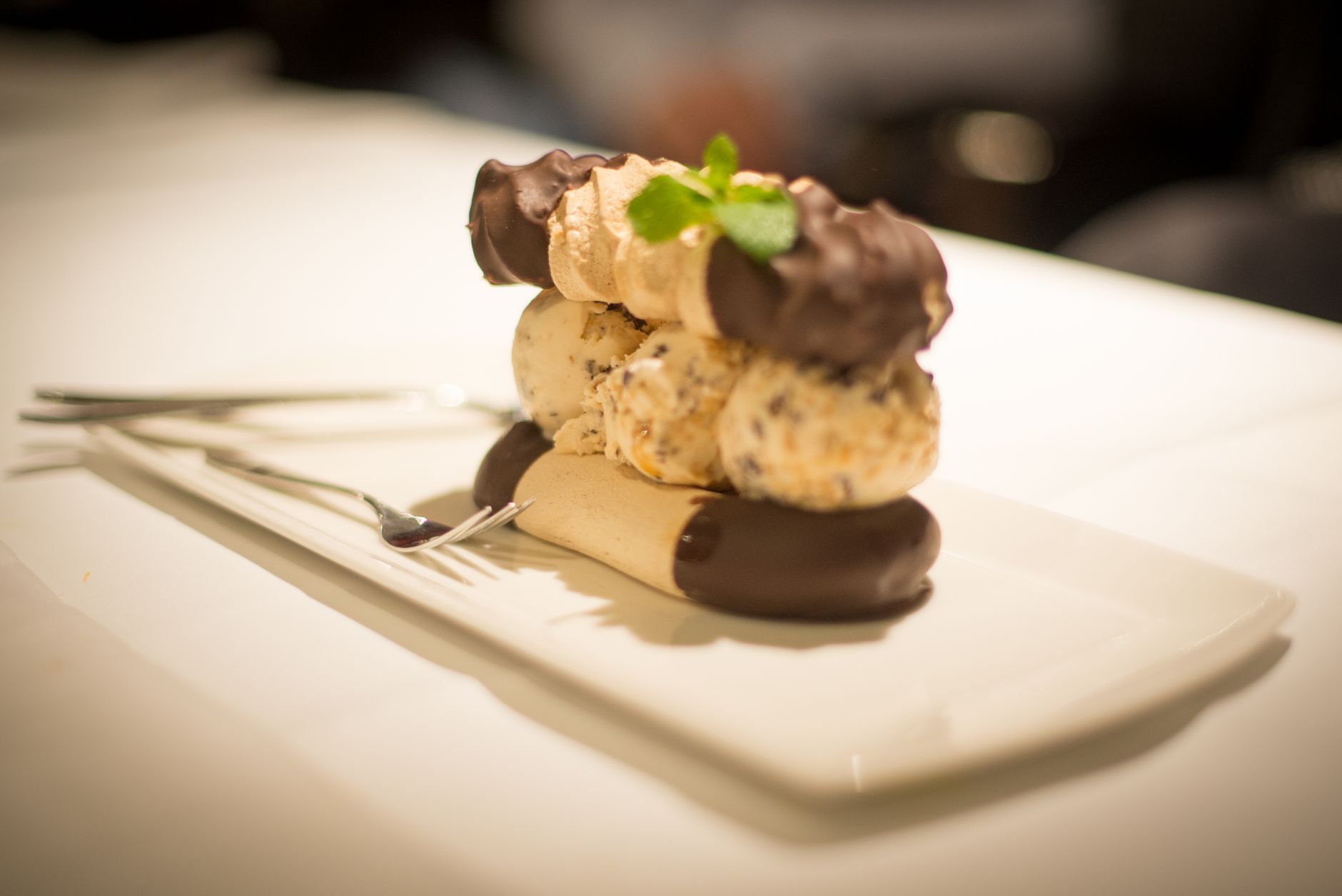
Beyond novel flavor combinations, food service developers are placing an unprecedented emphasis on physical texture and tactile mouthfeel. Modern menu design prioritizes contrasting elements within a single dish, pairing velvety custards with brittle tuiles, or soft shaved ice with chewy tapioca pearls. This multi-sensory approach addresses a growing consumer demand for memorable, experiential dining that cannot be easily replicated with grocery store convenience items.
Research shows that dynamic textural variation increases perceived value among younger demographic groups, particularly Millennials and Generation Z. Dessert items that feature layered temperatures, crunchy toppings, or interactive tableside elements generate stronger engagement both in the dining room and across digital media platforms. As a result, culinary research teams are allocating greater research resources toward food science applications that preserve crispiness and elasticity throughout long service windows.
Health-conscious dining behaviors continue to reshape traditional baking formulas, forcing manufacturers to find viable substitutes for refined sugars and standard wheat flour. The growing popularity of plant-based diets and low-glycemic eating patterns has elevated alternative sweeteners, natural fruit reductions, and gluten-free grain bases from niche dietary accommodations to mainstream menu standards. Operators are actively redesigning classic recipes to reduce total sugar content while enhancing natural aromatic qualities.
This reformulating effort is supported by advancements in ingredient technology, allowing chefs to replace dairy fat with oat, almond, or coconut bases without compromising on creamy textures. According to coverage by Food Business News, the integration of functional additives like adaptogenic mushrooms, botanical extracts, and digestive fibers is also gaining traction in metropolitan markets. Consumers increasingly view these modernized indulgences as holistic choices rather than purely guilty pleasures.
From an economic perspective, high-performing dessert programs serve as a vital financial cushion against rising overhead costs. Because sweet items typically boast lower baseline food costs compared to center-of-the-plate proteins, a robust pastry sale directly boosts net profit margins. Restaurant management groups are relying on cross-utilized pantry staples, pre-portioned components, and streamlined assembly steps to execute sophisticated plated desserts with minimal dedicated pastry staff.
The shift toward smaller, bite-sized samplers and mini-dessert flights also aligns with current cost control imperatives. These reduced portion sizes lower overall plate costs while encouraging cost-sensitive diners to add a final course to their check. By controlling waste through precise inventory management and focusing on high-margin ingredients, operators can maximize their return on investment across every daypart.
For everyday consumers and restaurant patrons, these industry adjustments mean that menu offerings will appear far more diverse, balanced, and visually engaging. Diners can expect fewer overly cloying, giant portioned items and a greater variety of globally influenced options that balance sweetness with acidity, salt, or herbal notes. Pricing may reflect the premium nature of specialized ingredients, but the overall quality, presentation, and dietary flexibility of restaurant desserts will continue to improve.
For food service professionals and independent business owners, adapting to these evolving expectations is essential for captured revenue. Integrating unexpected flavor accents, focusing on contrasting textures, and offering flexible portion sizes provide clear pathways to bolster check averages. As competitive pressures remain intense across the food intelligence ecosystem, maintaining a nimble, trend-aware dessert strategy will remain a key separator between thriving establishments and underperforming concepts.