Why Paris and Marseille Are Rewriting the French Restaurant Playbook
A new wave of culinary debuts across Paris and Marseille reveals how French restaurant operators are adapting to modern consumer preferences and shifting econom
By Foodie Pundit Newsroom - Published - Updated - Section: Restaurant Openings
Key points
- Parisian chefs are shifting toward concise, flexible menus to control operating expenses and appeal to modern diners.
- Marseille is attracting culinary talent due to lower real estate costs and direct access to Mediterranean supply chains.
- Direct farm and fishery sourcing is helping independent operators mitigate commodity price volatility.
- The casualization of French dining is driving the popularity of bistronomy over traditional fine dining formats.
The culinary worlds of Paris and Marseille are undergoing a major structural shift, driven by changing consumer preferences, rising real estate costs, and a renewed emphasis on regional sourcing. According to reporting by The Times, both French cities are witnessing a wave of high-profile dining debuts that reflect a shifting restaurant economy across the country. High-end dining is officially moving away from the rigid formality and heavy overhead of classical French service toward dynamic, ingredient-focused bistronomy.
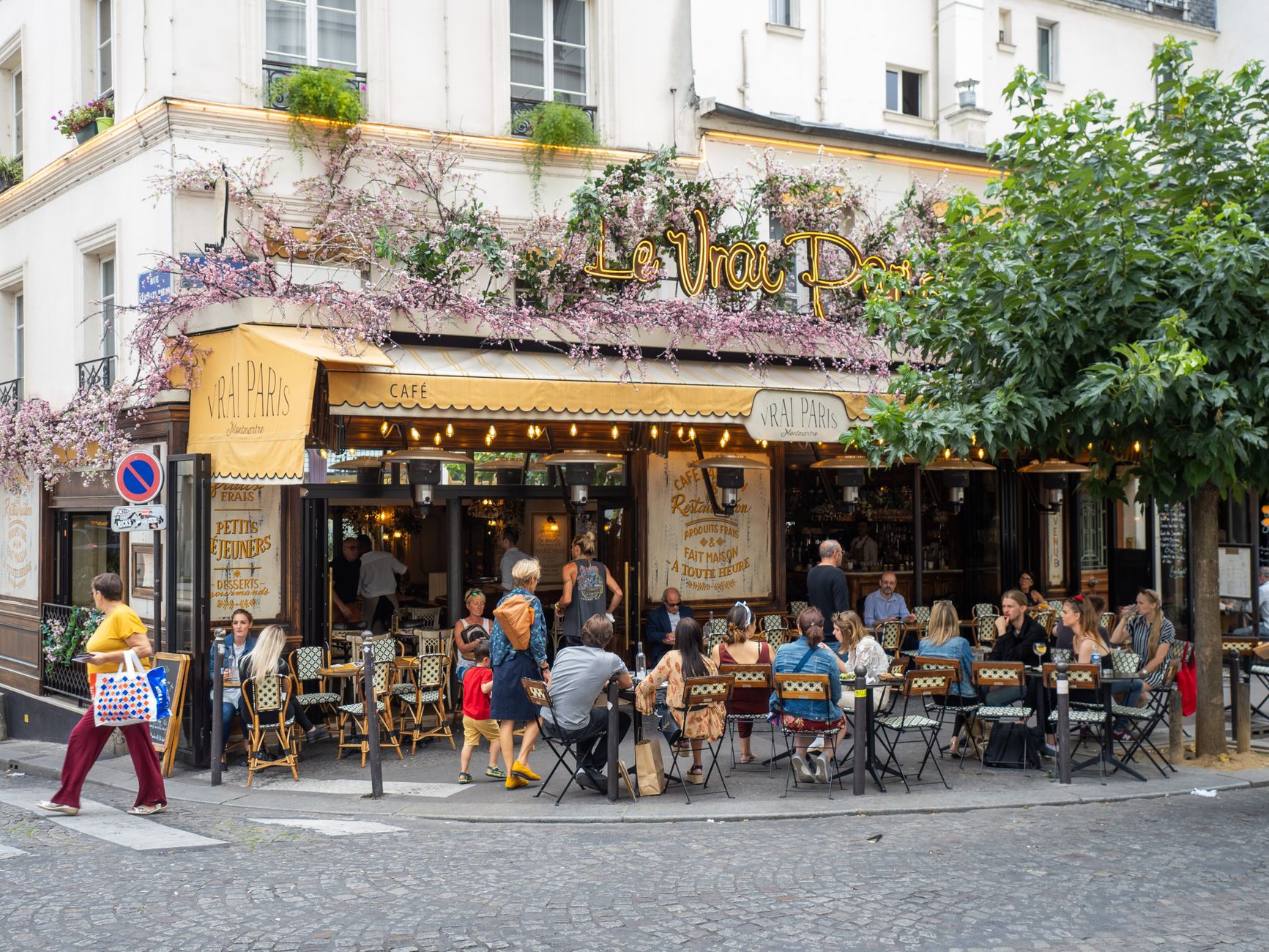
In Paris, the traditional bistro model is being reimagined by a new generation of chefs who prioritize everyday accessibility without compromising technical precision. Urban commercial districts across the capital are seeing increased demand for flexible, all-day dining concepts that can sustain high cover counts while managing escalating labor expenses under tight operational budgets. Meanwhile, coastal Marseille has emerged as a major culinary engine, pulling in top culinary talent drawn to lower operational overhead, robust marine supply chains, and a distinct Mediterranean identity.
Parisian operators are navigating a complex economic climate marked by elevated input costs and changing tourist traffic patterns. The latest wave of restaurant openings highlights a clear pivot toward smaller, highly curated menus that reduce kitchen waste and allow operators tight control over inventory. Kitchens are leveraging creative seasonal preparations to handle rising protein costs, elevating modest root vegetables and local grains alongside premium cuts to protect overall margins without sacrificing food quality on the plate.
This financial strategy is particularly evident in neighborhood bistros across the eastern arrondissements, where commercial rents remain relatively approachable for independent restaurateurs. These establishments rely heavily on natural wine programs and direct-to-farm sourcing to build sustainable profit margins while keeping price points accessible to local residents. The Times notes that the success of these venues relies on a high table turnover rate balanced by a welcoming, relaxed service atmosphere that encourages repeat local business.
Further south, Marseille is capturing a growing share of national hospitality investment, repositioning itself from a historic port city into a major dining destination. The municipal food scene benefits from direct access to Mediterranean fisheries and the rich agricultural output of Provence, providing chefs with shorter supply chain transit times and noticeably fresher produce. This structural advantage allows Marseille venues to offer competitive menu pricing compared to standard capital city prices, giving diners incredible value for their money.
The influx of capital into Marseille has sparked a wave of contemporary seafood bars, natural wine bistros, and multi-concept food halls across neighborhoods like Le Panier and Noailles. Industry analysts observe that many prominent chefs trained in Paris are relocating to the southern coast to open independent projects with lower financial barriers to entry. The lower capital expenditure required to secure commercial leases in Marseille gives operators far greater latitude to experiment with unorthodox culinary concepts without taking on extreme financial liability.
Across both metropolitan areas, the alignment between kitchen operations and local agricultural networks has become a defining commercial strategy for survival. Chefs are actively bypassing traditional wholesale markets in favor of direct contracts with independent smallholders and coastal fisheries. This vertical integration allows restaurants to insulate themselves from broader commodity market volatility while delivering hyper-seasonal menus that appeal directly to modern diners who value ingredient traceability and sustainability.
Menu design in these new openings reflects a broader movement toward total casualization in French dining culture. Multi-course tasting menus are increasingly being replaced by small-plate sharing models or concise fixed-price choices. This operational flexibility allows kitchens to streamline prep work, optimize staff scheduling, and maximize dining room throughput during peak service hours without expanding back-of-house payroll or overloading kitchen staff.
The financial environment supporting French hospitality is also evolving as boutique investment funds and local hospitality groups seek fresh opportunities outside traditional fine dining. Institutional investors are paying much closer attention to scalable bistro concepts that maintain strong brand equity and predictable cash flows. At the same time, shifting international tourism patterns continue to reward cities that showcase authentic, regionally rooted culinary experiences over generic luxury concepts.
Diner expectations are shifting rapidly toward transparency, informal service, and distinct regional identities. While classic Parisian brasseries retain their long-standing cultural foothold, modern consumers increasingly prefer intimate dining rooms where the traditional line between the kitchen and the floor is blurred. This cultural pivot has created fertile ground for independent operators who can deliver agile, high-concept menus within compact retail footprints.
For travelers and food enthusiasts planning visits to France, the expansion of new dining venues in Paris and Marseille offers unprecedented choice at a wider range of price points. Diners can expect shorter, more dynamic menus that change frequently based on market availability, alongside an informal service style that makes high-level French cooking far more approachable. Booking reservations well in advance remains essential, as these smaller, lower-capacity venues often operate with high demand and tight seating schedules that fill up fast.
Understanding the distinct dynamics between Paris and Marseille can help consumers tailor their travel itineraries based on personal dining preferences. While Paris continues to lead in cutting-edge culinary trends and innovative urban dining, Marseille delivers a Mediterranean-driven eating experience defined by fresh seafood and relaxed coastal hospitality. Together, these two culinary capitals represent the exciting future of contemporary French dining.
More from the Foodie Pundit Newsroom
- End of an Era: NYC's Oldest Operating Diner Faces Eviction After 94 Years
- Legacy Fast Food Brands Face Operational Reckoning as Market Pressures Mount
- brie, pumpkin seeds and Brazil: how recalls and residue limits trace to your plate
- EPA sets tolerances for carboxin residues on multiple crops
- Western Pacific fisheries council is meeting, and your seafood could be in the room