How Predictive Software Is Quietly Revolutionizing Restaurant Menus
Modern computational tools are helping chefs cut kitchen waste and spark culinary creativity without sacrificing human hospitality.
By Foodie Pundit Newsroom - Published - Updated - Section: Food Tech
Key points
- Chefs use algorithmic data to brainstorm innovative ingredient combinations while lowering product trial costs.
- Predictive ordering systems analyze local weather and sales trends to prevent kitchen food waste.
- Personalized dining platforms suggest menu items tailored to individual dietary preferences and order histories.
- Kitchen automation aims to support culinary workers rather than replace human craft and hospitality.
The commercial kitchen has long relied on tradition, intuition, and trial by fire. Today, high-tech algorithms are quietly changing how independent bistros and national chains design their daily offerings. According to recent industry coverage by Food Service Daily, culinary teams are increasingly leaning on sophisticated data modeling software to refine recipes, lower food costs, and predict changing consumer tastes.
Rather than replacing human culinary talent, software tools serve as high-speed creative assistants. Experienced executive chefs use predictive algorithms to analyze regional dining trends and cross-reference flavor profiles. This computational approach lets kitchen teams experiment with novel ingredient pairings while avoiding costly menu failures.
algorithmic culinary support extends far beyond recipe formulation into back-of-house operations. Kitchen managers must juggle perishable inventory, volatile commodity prices, and shifting foot traffic. Machine learning systems parse years of point-of-sale data alongside local event schedules and weather forecasts to predict precise prep quantities.
By streamlining the prep list, operators can minimize routine food waste and lower labor hours spent on manual counting. Kitchen staff gain more time to focus on prep work, plate presentation, and specialized cooking techniques. The result is a smoother workflow that helps maintain quality during peak service hours.
Developing a successful new menu item historically required weeks of trial tastings, focus groups, and pilot launches. Today, culinary algorithms evaluate thousands of global recipes, chemical compound pairings, and social media trends in seconds. A chef looking to update a seasonal salad can prompt a system to suggest unexpected acidity sources that complement regional produce.
This data-driven brainstorming helps restaurants stay ahead of fast-moving food trends without incurring massive development budgets. Smaller operators can compete with major corporate research facilities by tapping into shared market intelligence platforms. The software suggests raw concept combinations, but human chefs retain total control over final seasoning and presentation.
Food Service Daily reports that early adopters are seeing higher success rates for seasonal menu rollouts. When chefs ground their creative instincts in solid consumer analytics, new dishes sell more reliably from day one. This reduces the financial risk of introducing unfamiliar ingredients to regular patrons.
Food waste remains one of the largest profit drains in the modern restaurant ecosystem. Spoiled produce, excess prep work, and miscalculated order volumes directly erode narrow operating margins. Predictive inventory software tracks daily ingredient usage down to the gram, generating automated purchase orders based on expected demand.
When a sudden heatwave boosts outdoor patio seating, the system automatically adjusts weekend prep targets for cold appetizers and craft beverages. Conversely, if bad weather looms, purchase orders scale back to prevent perishable stock from sitting in walk-in coolers. This precision inventory control preserves working capital for independent operators facing rising rent and energy costs.
Additionally, smart kitchen monitors help track prep times and cooking consistency across multiple shifts. Kitchen managers receive alerts when inventory drops below critical thresholds or when order times spike. By catching operational bottlenecks early, management can adjust line stations before guest satisfaction metrics decline.
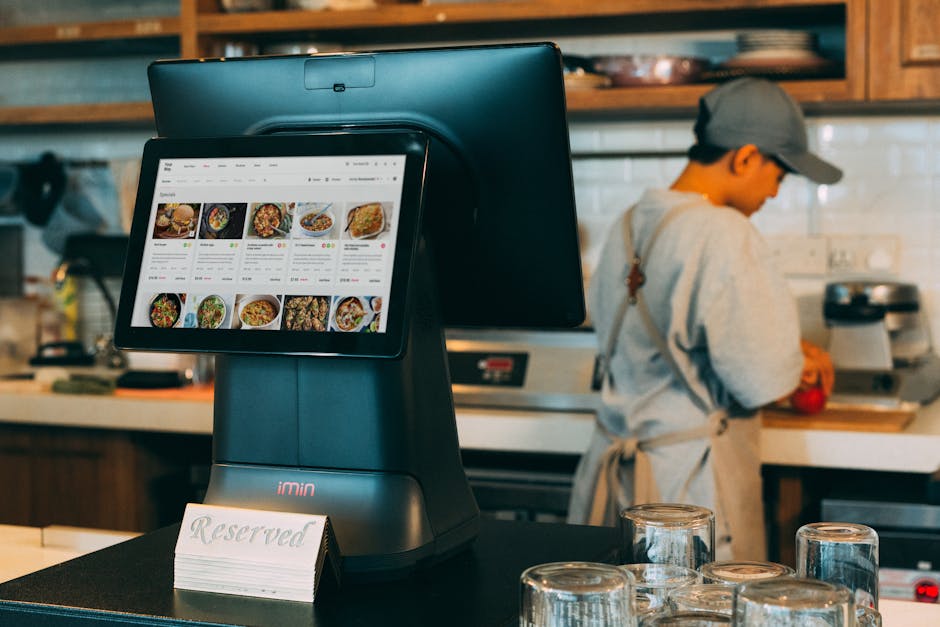
Front-of-house technology is evolving rapidly alongside kitchen management software. Digital ordering kiosks, mobile apps, and table-side tablets leverage customer history to offer tailored menu suggestions. If a guest consistently orders gluten-free items, the system highlights compliant options and suggests matching side dishes automatically.
These personalized recommendations elevate the guest experience while driving up average check sizes for operators. Diners feel understood and accommodated without having to navigate complicated allergen charts or grill busy servers for details. Hospitality teams can dedicate more energy to welcoming guests and delivering attentive table service.
Loyalty programs integrated with culinary algorithms can also offer custom promotions during slow dayparts. A diner who frequently buys coffee and pastries on weekday mornings might receive an targeted afternoon incentive for a new lunch sandwich. This hyper-local marketing approach keeps tables filled without reliance on deep broad-based discounts.
NAVIGATING INDUSTRY ADOPTION AND CHALLENGES
Despite clear operational benefits, integrating modern software platforms into busy commercial kitchens brings distinct challenges. High upfront setup costs, staff training requirements, and data privacy concerns make some legacy operators hesitant to transition away from pen-and-paper systems. Success requires strong leadership and a willingness to rethink traditional kitchen hierarchies.
Industry experts emphasize that technology should enhance human hospitality rather than sanitize it. Over-reliance on trend data can lead to homogenized menus where regional identity gets lost in favor of viral food fads. Maintaining a distinct culinary voice remains the primary responsibility of the executive chef and restaurant management team.
As subscription software becomes more affordable, adoption rates across medium and small dining establishments are expected to accelerate. Financial analysts project that algorithmic inventory management and menu planning will soon become standard operating equipment for competitive urban restaurants. Early investment in digital infrastructure continues to yield strong returns through reduced labor stress and higher profit margins.
For everyday diners, the integration of advanced software into restaurant management means fresher ingredients, more imaginative menu choices, and more consistent service. You are less likely to encounter your favorite dish being sold out during a Friday night rush because kitchens can anticipate demand with higher accuracy.
Furthermore, diners with specialized dietary needs will benefit from safer, clearer personalization on digital ordering platforms. As operators cut costs on food waste and operational friction, independent restaurants stand a better chance of keeping menu prices stable in an inflationary environment. Expect your favorite local spots to surprise you with creative seasonal specials backed by smart dining data.
Sources and methodology
Reported from the public datasets below.
More from the Foodie Pundit Newsroom
- The Common Cooking Oil That Could Be Quietly Rewiring Your Body
- Barista Friction Exposes Growing Operational Chaos Behind Viral Beverage Trends
- Cloud Bread Surges on Social Media as Bakeries Eye Low-Cost Viral Treats
- Organic Wine Market Accelerates as Consumers Demand Transparency and Sustainability
- Nashville Hospitality Sector Expands Rapidly with Wave of High-Flavor Restaurant Openings