How Restaurants Are Navigating High Costs Without Losing Diners
Dynamic economic headwinds force restaurant operators to re-engineer operations to protect customer relationships while managing thin margins.
By Foodie Pundit Newsroom - Published - Updated - Section: Restaurants
Key points
- Persistent food and labor inflation continues to compress profit margins for independent eateries and major chains.
- Operators are relying on menu engineering and ingredient cross-utilization rather than simple price hikes to maintain guest value.
- Technology integration in back-of-house operations helps managers track waste and allocate labor resources effectively.
- New revenue streams like retail goods, direct pickup programs, and loyalty schemes help stabilize cash flow.
The modern dining room presents a standard picture of hospitality, with busy servers, warm lighting, and familiar menus. Behind the kitchen doors, however, restaurant operators across the United States are managing an extraordinary economic squeeze. Industry data highlights a stark reality for independent eateries and major chains alike. While guest counts remain relatively steady, the financial foundation supporting these businesses is undergoing significant pressure from elevated input costs and shifting consumer behaviors.
Navigating the current economic environment requires a constant balancing act between maintaining profitability and preserving customer loyalty. Restaurant owners face rising prices across nearly every operational expense line, from wholesale ingredients to utility bills. Recent industry analysis from Nation's Restaurant News points out that operators are fighting hard to keep their doors open without compromising the quality of the food and service that diners expect. The challenge is no longer just surviving temporary shocks, but adapting to a structural shift in how restaurants operate.
Labor remains the single largest expense category for most dining establishments, and recent wage trends have altered traditional restaurant math. A tight labor market combined with higher minimum wage mandates in several states has forced operators to elevate pay scales to attract and retain kitchen staff and front-of-house teams. While higher wages support staff retention, they also narrow the profit margins of businesses that historically operated on razor-thin returns. Employers are investing more in retention initiatives, training, and performance incentives to reduce costly turnover.
At the same time, food supply chains continue to exhibit price instability across core menu items. Essential commodities such as beef, poultry, dairy, and specialized produce have experienced fluctuating wholesale costs over the past several quarters. Packaging materials for takeout and delivery orders have also seen persistent price inflation, adding costs to every off-premises transaction. Restaurant managers are constantly evaluating vendor contracts and bulk purchasing arrangements to hedge against unexpected wholesale spikes.
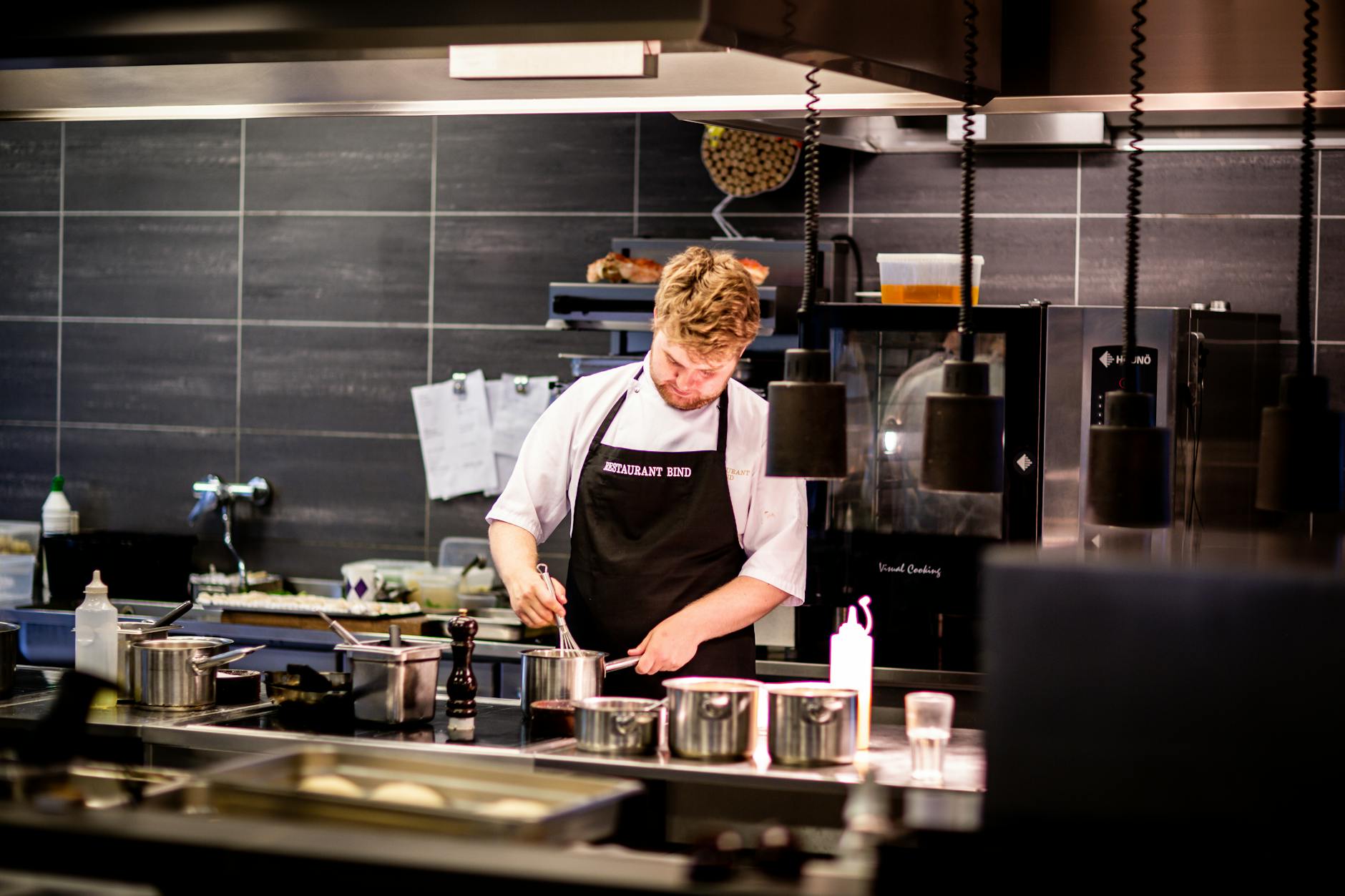
To counter these cost surges, operators are turning to strategic menu engineering rather than applying broad price hikes. Simply raising menu prices across the board risks alienating price-sensitive diners who are already trimming discretionary spending. Instead, culinary teams are redesigning menus to focus on high-margin items while cross-utilizing ingredients across multiple dishes to minimize food waste. Smart menu layouts highlight signature dishes that offer favorable profit profiles while maintaining perception of value for guests.
Portion management has also become a focal point for kitchen efficiency. Chefs are standardizing prep procedures and utilizing precise measuring tools to ensure consistency and eliminate unnecessary yield loss. Some establishments are introducing flexible options, such as half-portions or customizable meal combinations, allowing guests to control their total check size while preserving the restaurant's operational margin. By optimizing yield and ingredients, kitchens reduce overall food waste while continuing to deliver satisfying dining experiences.
TECHNOLOGY INTEGRATION AND OPERATIONAL EFFICIENCY
Technology has emerged as an essential tool for operators seeking to streamline daily operations and cut overhead. Automated inventory management systems track ingredient usage in real time, alerting management to supply discrepancies or potential spoilage before it impacts the bottom line. Kitchen display systems streamline order pacing, allowing back-of-house teams to process tickets more efficiently and reduce total ticket times. These digital systems help operators identify minor cost leaks that collectively eat into monthly profits.
Digital ordering channels, including self-service kiosks and native mobile apps, are also helping restaurants manage labor distribution effectively. By allowing technology to handle routine order entry, front-of-house employees can focus on guest hospitality and table maintenance. Additionally, integrated software systems enable restaurants to analyze ordering trends, identifying popular dishes and removing sluggish menu items that tie up inventory capital needlessly.
Beyond cost control, forward-thinking restaurants are actively pursuing new revenue streams to stabilize cash flow. Extended operating hours, specialized catering programs, and branded retail items like proprietary sauces or spice blends offer additional income beyond traditional seat turns. Dedicated takeaway packaging and optimized pickup stations ensure that off-premises dining remains a profitable segment rather than an operational burden.
Loyalty programs are also playing a crucial role in maintaining regular guest visits during economic downturns. By offering targeted rewards, personalized promotions, and exclusive events, restaurants incentivize repeat business without resorting to deep discounting that erodes brand value. Operators recognize that maintaining high guest frequency is essential for covering fixed overhead costs like rent, insurance, and equipment leases.
For everyday diners, understanding these operational challenges helps explain the subtle changes occurring at local eateries. Consumers may notice streamlined menus, tailored portion options, or a greater presence of order technology at their favorite dining spots. Supporting local restaurants by ordering directly through native apps rather than third-party delivery services helps operators retain more of their revenue. While dining out may carry higher price tags than in previous years, every visit directly supports the staff and supply networks that keep the culinary industry moving forward.
Sources and methodology
Reported from the public datasets below.
- Bureau of Labor Statistics (BLS) - Consumer Price Index, food away from home
- Federal Reserve Economic Data (FRED) - Food services and drinking places series
- Bureau of Labor Statistics (BLS) - Consumer Price Index, food away from home
- Federal Reserve Economic Data (FRED) - Food services and drinking places series
- Nation's Restaurant News - Your Favorite Restaurant Is Struggling But Still Serving - Aug 2026
More from the Foodie Pundit Newsroom
- The Great Steak Retreat: Why a Beef Giant is Bailing on the Keystone State
- The casual plate now runs $14.83, and the map is not even close
- The Human Terroir: A Groundbreaking Study Reveals Your First Food Is A Lie
- Scientific Consensus Shift Away From 10k Steps Alters Workplace Wellness Metrics
- Former Gas Station Property Clears Path for New Chick-fil-A Location