How Shift In Guest Expectations Is Reshaping Restaurant Economics
Evolving consumer preferences and operational pressures are forcing operators to redesign menus and service models for a new era of dining.
By Foodie Pundit Newsroom - Published - Updated - Section: Restaurants
Key points
- Restaurants are simplifying menus to cut food waste and focus on shareable signature dishes.
- All-day service models help operators maximize lease value and capture flexible off-peak spend.
- Non-alcoholic beverage programs offer high margins while accommodating changing consumer wellness habits.
- Modular venue layouts and targeted technology integration improve labor efficiency and floor throughput.
The hospitality sector is undergoing a profound structural shift as commercial realities force operators to reconsider menu design, guest engagement, and physical footprints. Data published by Carbonate Insights highlights how emerging dining behaviors are reshaping the economic playbook for independent restaurants and corporate groups alike. Consumers are increasingly prioritizing unique sensory experiences over traditional formal dining formats, driving rapid innovation across market segments.
Operators are navigating a complex landscape defined by shifting labor costs, changing consumer spending habits, and high wholesale ingredient prices. In response to these headwinds, forward-thinking dining establishments are introducing highly specialized concepts designed to maximize margin while delivering memorable moments. The integration of distinct culinary influences and unconventional dining times reflects a broader movement toward hyper-personalized consumer offerings.
A major driver of recent growth across urban markets involves the revival of regional comfort foods updated with high-end techniques and global pantry staples. Rather than relying on static, extensive menus, modern kitchens are narrowing their focus to core signature dishes that streamline inventory management. According to Carbonate Insights, this targeted strategy allows restaurants to minimize food waste while building strong brand equity around specific, shareable items.
SHIFTING CONSUMER DEMAND AND ALL-DAY CONCEPTS
The traditional distinction between breakfast, lunch, and dinner continues to dissolve as remote work and flexible schedules alter urban foot traffic. Establishments are capitalizing on this dynamic by adopting all-day service models that transition seamlessly from morning coffee bars to evening wine lounges. This approach maximizes labor efficiency and optimizes leasing costs by keeping revenue streams active across extended operational hours.
Mid-day snacking and afternoon beverage programs have emerged as particularly profitable revenue channels for modern hospitality groups. High-margin specialty drinks, small savory plates, and house-made pastries allow operators to capture spend during hours that historically yielded low customer counts. Industry analysts note that these flexible spaces appeal directly to younger demographics seeking casual, lower-cost touchpoints with premium brands.
Furthermore, the rise of hyper-localized sourcing has shifted from a marketing feature to a core supply chain strategy. By establishing direct contracts with regional agricultural producers, restaurant groups are shielding themselves from global distribution disruptions while satisfying guest demand for origin transparency. This hyper-local orientation also fosters a sense of place that distinguishes brick-and-mortar venues from digital delivery platforms.
BEVERAGE INNOVATION AND LOW-PROOF MIXOLOGY
The beverage landscape is experiencing its own significant evolution, driven by shifting wellness priorities and changing social habits among core dining demographics. Zero-proof spirits, functional botanicals, and complex fermented drinks are taking center stage on cocktail lists alongside traditional offerings. According to Carbonate Insights, non-alcoholic and low-proof options frequently carry gross profit margins comparable to standard spirit-based drinks.
Mixology programs are treating non-alcoholic development with the same rigor traditionally reserved for rare whiskies and fine wines. House-made syrups, clarify juices, and custom bitter infusions ensure that guests who opt out of alcohol still receive a elevated beverage experience. This inclusivity prevents party vetoes, where a single non-drinking guest dictates a group restaurant choice, thereby safeguarding valuable group bookings.
On the alcoholic side of the ledger, natural wines, regional aperitifs, and draft cocktails dominate current industry trends. Draft systems, in particular, allow high-volume venues to maintain tight quality control while drastically reducing service times during peak operational windows. The resulting labor savings directly improve bottom-line performance without sacrificing product consistency or presentation standards.
TECHNOLOGY INTEGRATION AND THE PHYSICAL FOOTPRINT
Behind the scenes, kitchen workflows and front-of-house service models are undergoing technological modernization to support these operational shifts. Predictive inventory software, automated prep equipment, and guest-facing ordering systems are becoming standard infrastructure in modern dining spaces. These tools allow lean hospitality teams to maintain high throughput without overtaxing staff during sudden volume surges.
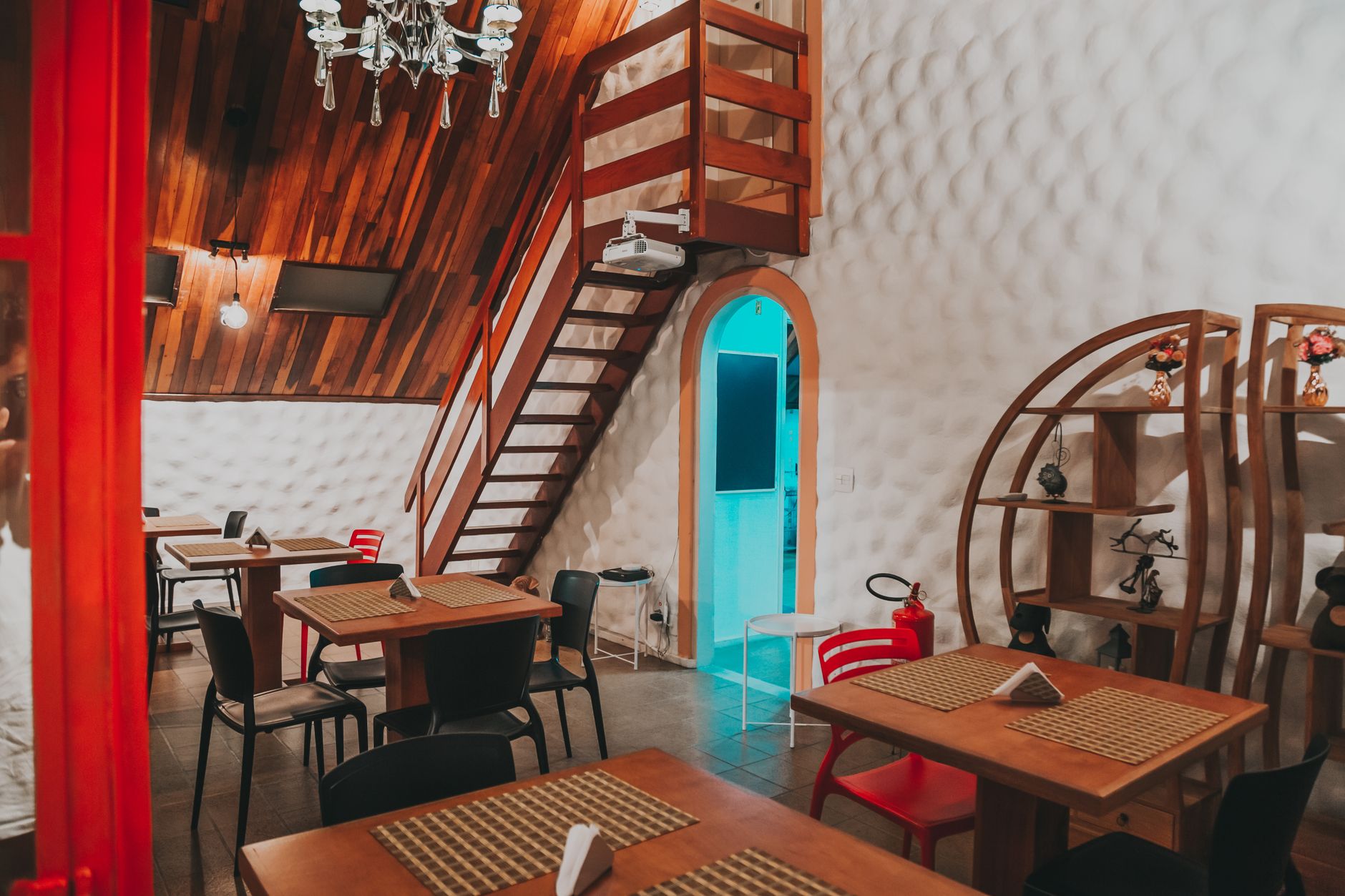
Physical dining rooms are also being reconfigured to support multi-channel fulfillment without compromising the on-premise guest environment. Dedicated pick-up stations, discrete delivery staging areas, and modular seating arrangements ensure that off-premise orders do not disrupt the ambiance of the main dining room. Hospitality architects are increasingly emphasizing adaptable layouts that can be easily reconfigured for private events or special pop-up concepts.
As commercial real estate costs remain elevated, operators are leveraging micro-formats and shared kitchen models to test new culinary ideas before committing to long-term leases. These nimble market-entry strategies lower capital expenditure requirements and accelerate payback periods for investors. The resulting ecosystem is more dynamic, allowing successful ideas to scale rapidly while underperforming concepts exit with minimal capital destruction.
For the everyday consumer, these industry developments mean greater variety, higher service standards, and more accessible dining formats across every price point. The rise of all-day venues and low-proof beverage programs allows guests to engage with top-tier culinary talent outside the rigid boundaries of expensive multi-course dinners. Diners can expect more vibrant social spaces that accommodate diverse dietary preferences and flexible scheduling needs.
At the same time, consumers should anticipate a continued focus on specialized, smaller menus that emphasize quality over sheer volume. Supporting restaurants that utilize transparent regional supply chains helps bolster local food economies while ensuring fresher ingredients on the plate. As the hospitality landscape continues to evolve, diners stand to benefit from a richer, more intentional, and ultimately more memorable dining ecosystem.
Sources and methodology
Reported from the public datasets below.
More from the Foodie Pundit Newsroom
- How Next Year Consumer Recipe Trends Will Reshape Home Cooking Economics
- Japanese Milk Bread Sweeps Across the UK Bakery Market
- How Viral Social Media Trends Are Dictating The Modern Culinary Economy
- Plant-Based Dining Accelerates as Restaurant Operators Redesign Menus for Growth
- New Ingredient-Driven Restaurant Debuts at 1801 Collins Avenue, Securing Early Praise