From Girl Dinner to Menu Strategy: How Small Plates Won the Restaurant World
The viral internet phenomenon has matured into a lasting economic shift for grocery brands and restaurant operators alike.
By Foodie Pundit Newsroom - Published - Updated - Section: Grocery Cpg
Key points
- The girl dinner viral trend originated on social video platforms as a humorous depiction of low-effort solo dining.
- Economic factors like inflation and food costs driven consumers toward modular pantry-based snack meals.
- Restaurants are using small-plate menus to reduce kitchen labor and lower food waste while driving drink sales.
- Dietitians emphasize that snack plates can offer balanced nutrition when built with adequate protein and fiber.
In mid-2023, a simple video featuring an assortment of snacks gained widespread traction on social video platforms. The concept, dubbed girl dinner, transformed modest collections of cheese, cured meats, fruit, and pickles into a cultural phenomenon. What began as a humorous depiction of low-effort solo dining quickly expanded into a broad discussion about convenience, culinary standards, and modern eating habits. NBC News reported on the trend, highlighting how a casual social media video evolved into a defining food habit for younger consumers.
The viral phrase was originally coined by creator Olivia Maher, who described the satisfaction of eating a collection of small, uncooked items rather than preparing a traditional hot meal. Her video struck a chord with millions of viewers who recognized their own unstudied, patchwork meals in her depiction. As the term spread, users began sharing their own versions, ranging from elegant tapas-style layouts to humorous, minimalist configurations of leftover pantry items. The trend demonstrated how personal eating rituals, once kept private, could become shared cultural touchpoints through digital media.
Beyond its social media success, the rise of snack-focused dining reflects broader economic shifts within the food industry. Inflationary pressures and rising grocery bills have prompted many consumers to reevaluate their meal preparation strategies. As meat and produce prices climbed, assembling a plate from existing pantry staples and smaller specialty items emerged as a cost-effective alternative to full-course cooking. NBC News noted that the trend highlighted a growing preference for modular, highly customized eating experiences over rigid meal structures.
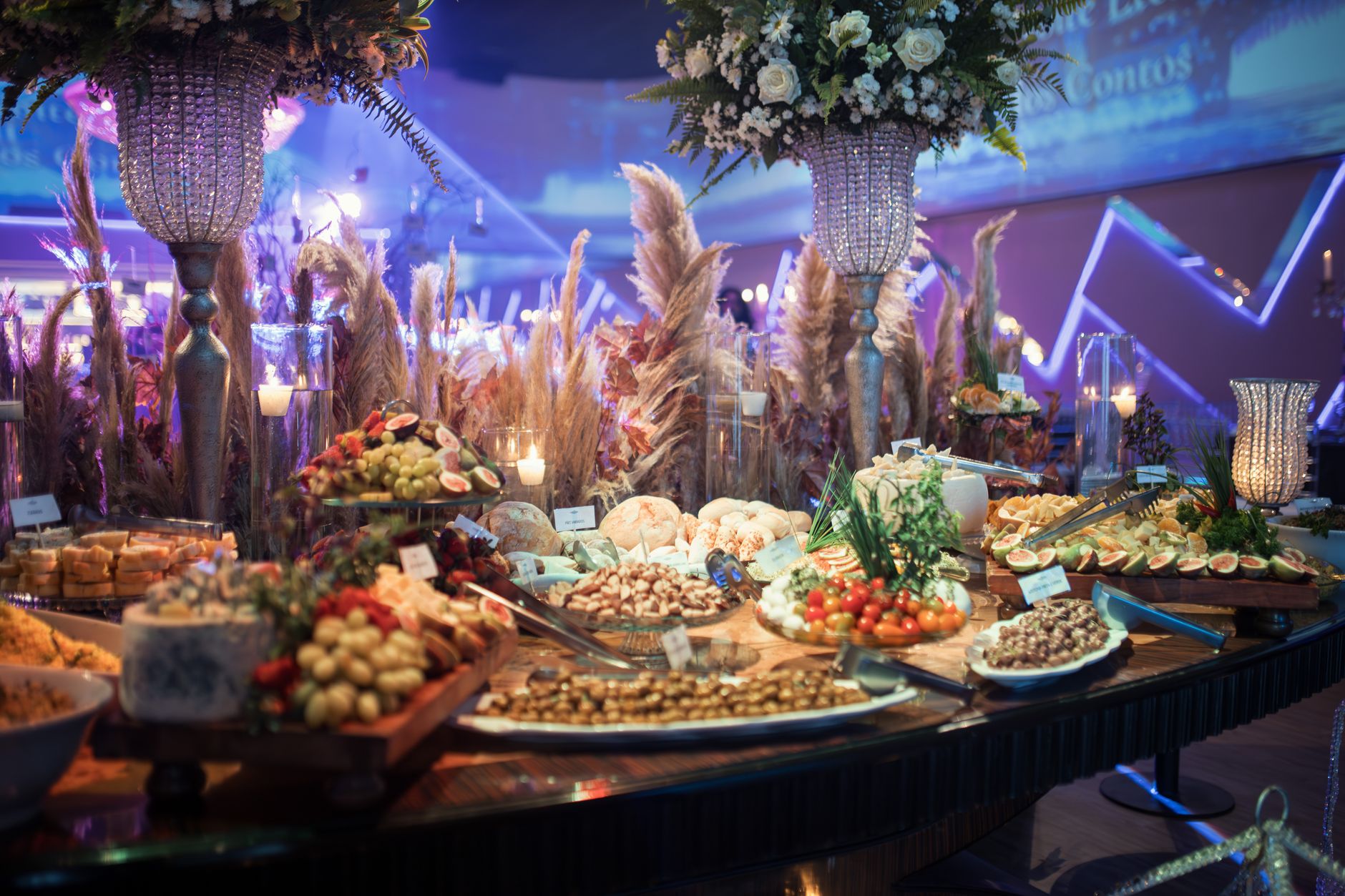
Restaurant operators and food manufacturers took notice of this shift in consumer behavior. Establishments began incorporating charcuterie boards, small plates, and customizable snack trays into their permanent menus to capture this demand. Meanwhile, packaged goods companies reported increased sales in pre-sliced cheeses, dips, crackers, and specialty snacks. By rebranding miscellaneous ingredients as an intentional meal option, the industry capitalized on a shift away from traditional dinner formats toward flexible grazing.
While internet trends often fade rapidly, the underlying mechanics of girl dinner have sustained its popularity well past its initial viral moment. Industry analysts observe that the concept aligns directly with long-term consumer shifts toward convenience, single-serve portions, and reduced food waste. For solo dwellers and busy professionals, assembling a snack board eliminates the cleanup and time investment required by conventional recipes. The trend normalized an existing, pragmatic behavior, removing the perceived necessity of cooking a full meal every evening.
The lasting appeal of this dining style also reflects changing societal expectations around home cooking. For decades, consumer marketing promoted elaborate dinner preparation as the default standard for domestic life. The widespread acceptance of snack meals signals a departure from those traditional standards, prioritizing ease and personal preference. As workplace schedules become more fluid and remote work persists, the boundaries defining breakfast, lunch, and dinner continue to blur.
Despite its widespread popularity, the trend attracted scrutiny from health professionals and nutrition experts. Some commentators raised concerns that promoting very low-calorie or highly processed snack combinations as a full meal could encourage inadequate nutrition. In response to these critiques, registered dietitians advised consumers to balance their snack plates by incorporating adequate protein, fiber, and healthy fats. NBC News highlighted these expert perspectives, noting that a well-balanced snack board can easily satisfy daily nutritional requirements when composed thoughtfully.
The conversation surrounding the trend eventually matured into a broader discussion about mindful eating and food flexibility. Dietitians emphasized that the primary value of the concept lies in its lack of rigid rules, allowing individuals to honor their hunger cues without the stress of formal meal prep. When built with a diverse mix of whole foods, small-plate dining offers a practical and nutritious alternative to standard cooking, particularly for individuals managing busy schedules or cooking for one.
For the foodservice sector, the lingering popularity of snack-centered dining presents clear operational advantages. Small-plate menus typically require less kitchen labor, lower cooking times, and lower raw ingredient overhead compared to traditional entrees. Restaurants offering curated boards can leverage cross-utilization of ingredients, incorporating cheeses, fruits, and cured meats across multiple menu items to minimize food waste. This efficiency is particularly valuable as labor costs and commercial real estate expenses remain elevated across major metropolitan markets.
In addition, the trend has driven strong high-margin beverage sales for dining establishments. Customers ordering small plates or shared boards frequently pair their food with specialty cocktails, wine, or premium non-alcoholic drinks. By creating a relaxed, social atmosphere centered around shared appetizers, operators can increase the average check size while maintaining relatively low food preparation costs. The enduring appeal of this format suggests that flexible, snack-based dining will remain a staple of restaurant strategy.
For the average consumer, the institutionalization of snack-based dining offers validation and financial flexibility in daily meal planning. Assembling a meal from small portions of cheese, fruit, vegetables, and pantry items provides a simple way to reduce food waste and stretch your weekly grocery budget. Rather than purchasing specialized ingredients for complex recipes that may go unused, building modular meals allows you to consume perishable items efficiently.
When dining out, expect to see an increasing number of restaurants offering expanded small-plate, grazing, and charcuterie options on their menus. To get the best value, consider combining two or three savory appetizers rather than ordering a conventional entree, which can provide a more varied dining experience at a lower price point. When eating at home, ensure your snack boards remain satisfying and balanced by intentionally incorporating sources of lean protein, complex carbohydrates, and fresh produce alongside your favorite convenience items.
Sources and methodology
Reported from the public datasets below.
- Federal Reserve Economic Data (FRED) - Food services and drinking places series
- Bureau of Labor Statistics (BLS) - Consumer Price Index, food away from home
- Federal Reserve Economic Data (FRED) - Food services and drinking places series
- Bureau of Labor Statistics (BLS) - Consumer Price Index, food away from home
- NBC News - Girl Dinner: The TikTok Trend That's Still Serving - Aug 2026
More from the Foodie Pundit Newsroom
- World 50 Best Restaurants 2024: How the New Rankings Impact Fine Dining Economics
- Asda Cuts Prices on 200 Staples as the UK Supermarket Price War Heats Up
- The End of the Secret Health Inspection: How Data Is Changing Food Safety Liability
- World 50 Best Restaurants 2024 List Reshapes Global Culinary Tourism
- demand surges across new york city as premier dining destinations cap reservation access