How Social Media Algorithms Are Driving Commercial Dessert Innovation
Viral social media trends are reshaping commercial pastry kitchens as operators turn digital video moments into high-margin bakery items.
By Foodie Pundit Newsroom - Published - Updated - Section: Desserts Snacks
Key points
- Digital platforms have drastically shortened the product development timeline for commercial bakeries.
- Savory-to-sweet flavor crossovers and hybrid pastries are driving high consumer engagement and premium pricing.
- Operators must balance the operational challenges of viral demand with scalable production techniques.
Social media platforms have transformed from mere entertainment hubs into primary incubators for commercial culinary innovation. Independent bakeries, industrial food processors, and national restaurant chains are monitoring digital feeds to identify emerging flavor profiles and visual aesthetics. According to industry analysis from Bake Magazine, viral short-form video content is dictated by unexpected savory to sweet adaptations, cross-category mashups, and hyper-visual presentation styles.
The acceleration of these trends reflects a fundamentally altered product development cycle for modern pastry chefs. Historically, new dessert concepts originated in fine dining establishments before trickling down to retail bakeries and consumer packaged goods manufacturers over several years. Today, a single video created in a home kitchen can generate millions of views overnight, creating immediate consumer demand that commercial operators must satisfy. This rapid feedback loop has forced culinary research teams to operate with unprecedented speed and flexibility.
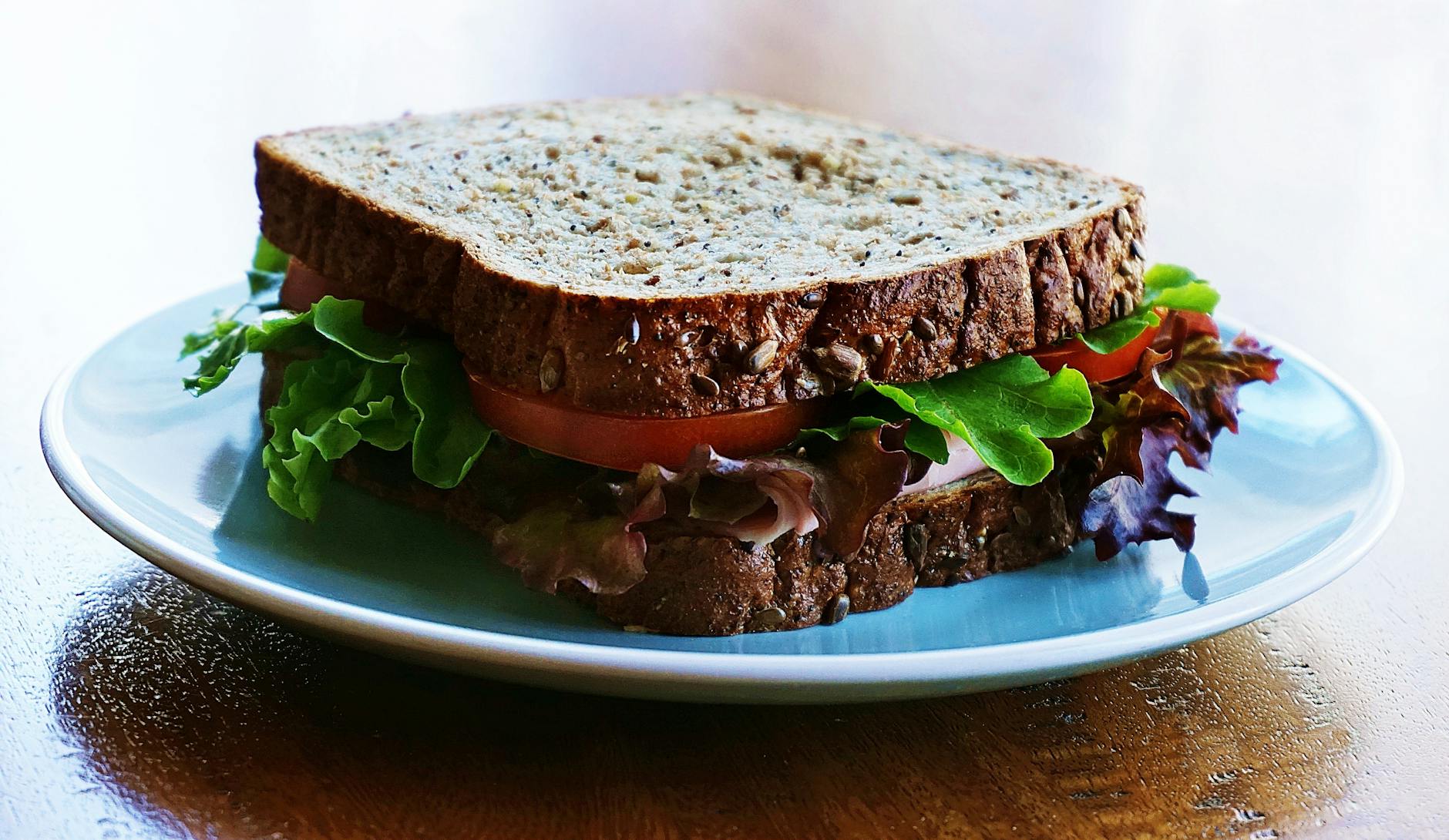
One of the most significant phenomena defining the current dessert landscape is the transformation of traditionally savory iconic dishes into sweet confections. Digital creators routinely take familiar structural formats from lunchtime staples and rebuild them using pastry components. For instance, classic sandwich architectures are being reinterpreted using brioche, choux pastry, or laminated doughs, paired with rich dessert fillings like mascarpone, fruit compotes, and flavored curds.
This trend relies heavily on the element of visual surprise and sensory contrast. Consumers are drawn to items that look like a savory meal at first glance but deliver a distinctly sweet flavor profile upon the first bite. Bake Magazine reports that this playful deception drives high engagement on social feeds, encouraging viewers to seek out real-world locations that offer these novel culinary items. Operators benefit because these products command premium price points due to their labor-intensive assembly and high novelty factor.
TEXTURE EXPERIMENTATION AND HYBRID FORMATS
Beyond novel flavor combinations, the current viral news cycle emphasizes dramatic textural contrast. Consumers are actively seeking desserts that combine multi-layered sensations, such as crunchiness paired with ultra-smooth creams, or molten centers wrapped in crispy outer shells. Hybrid pastries, which combine two established baked goods into a single entity, continue to dominate retail display cases across major metropolitan markets.
The success of hybrid items relies on consumer familiarity combined with a novel twist. By taking two well-known items, such as a croissant and a cookie, bakeries reduce the risk associated with introducing an entirely unfamiliar product. The resulting creation offers a built-in marketing narrative that translates seamlessly to visual media formats. Equipment manufacturers have responded by developing specialized molds and baking pans that allow high-volume bakeries to produce these complex, multi-textured shapes consistently.
THE IMPACT OF GENERATION Z ON FLAVOR PREFERENCES
Demographic shifts are driving much of this digital-first dessert evolution. Younger demographics, particularly Generation Z consumers, prioritize experiential dining and visual appeal when making purchasing decisions. They are more likely to order a dessert based on its unique appearance, color saturation, and potential for social sharing than older consumer cohorts.
Furthermore, these younger demographics display a higher tolerance for non-traditional flavor pairings. Global influences, such as East Asian botanicals, Latin American spices, and Middle Eastern aromatic waters, are frequently incorporated into viral sweet treats. Ingredients like Ube, match, cardamom, and spiced chili syrups are no longer confined to niche ethnic markets. They have successfully entered the mainstream pastry vocabulary, largely fueled by algorithmic discovery on digital video networks.
COMMERCIAL ADAPTATION AND SUPPLY CHAIN CHALLENGES
While viral trends offer massive promotional opportunities, they present distinct operational hurdles for commercial bakeries and food service operators. Traditional supply chains are designed for steady, predictable demand patterns rather than sudden spikes driven by internet virality. Sourcing specialized ingredients or custom packaging on short notice can severely strain operating margins for smaller business entities.
Additionally, commercial kitchens must ensure that trending items can be scaled without sacrificing quality or speed of service. A dessert that takes ten minutes to assemble for a single video shoot may not be viable during a busy weekend morning shift at an artisanal bakery. Successful operators are finding creative ways to streamline the assembly process, utilizing pre-made components and standardized preparation steps to capture viral interest while maintaining labor efficiency.
For retail bakery owners and food service managers, the integration of social media trends into product development represents both an opportunity and a necessity. To remain competitive, operators should establish flexible menu strategies that allow for limited-time offers based on current consumer interest. Investing in kitchen staff training and versatile equipment will enable teams to execute complex, multi-textured desserts quickly without disrupting standard operations.
For everyday consumers and food enthusiasts, these industry shifts mean access to a more diverse, playful, and visually engaging array of sweet offerings. Expect to see traditional dessert menus increasingly replaced by dynamic, rotating selections that draw heavy inspiration from online culture. As the boundaries between savory and sweet continue to blur, diners can look forward to unique flavor experiences that challenge traditional expectations of what a dessert should be.
Sources and methodology
Reported from the public datasets below.
More from the Foodie Pundit Newsroom
- Snack Brands Overhaul Packaging and Campaigns Ahead of Strict 2026 Marketing Mandates
- Fast Food Chains Reignite Value Wars as Inflation Wary Diners Stay Home
- How Digital Food Trends Are Driving Real World Restaurant Economics
- White Castle Expands Central Florida Footprint with New Kissimmee Restaurant
- Grocery Inflation Eases as Retail Prices Stabilize Across Key Categories